

Choosing the right shapewear can feel confusing when myths about sizing and discomfort get in the way. American women deserve comfort along with the confidence these body contouring undergarments promise. Medical experts agree that wearing shapewear in your true size or even sizing up improves comfort and lowers health risk, without sacrificing a smoother look. Discover how thoughtful sizing and smart choices unlock support, silhouette enhancement, and peace of mind each time you get dressed.
Table of Contents
- Defining Shapewear and Sizing Myths
- Types of Shapewear and Fit Differences
- How Sizing Up Affects Comfort and Results
- Risks of Choosing Too Small or Tight
- Common Shapewear Sizing Mistakes
Key Takeaways
| Point | Details |
|---|---|
| Shapewear Enhances Confidence | Shapewear provides a way to smooth and sculpt bodies, promoting body confidence while focusing on comfort and mobility. |
| Proper Sizing is Crucial | Choosing the right size is essential for achieving an effective fit; too small can lead to discomfort and health risks, while too large can negate the benefits. |
| Understand Compression Levels | Different shapewear types offer a range of compression levels; matching compression to your comfort and shaping goals is key. |
| Health Risks of Tight Shapewear | Overly tight shapewear can lead to serious health issues, including restricted circulation and nerve compression, emphasizing the need for a comfortable fit. |
Defining Shapewear and Sizing Myths
Shapewear represents a revolutionary approach to body confidence, offering women a way to smooth, sculpt, and enhance their natural silhouette. Body contouring undergarments have evolved dramatically from restrictive historical designs, now focusing on comfort, flexibility, and personal empowerment.
At its core, shapewear is a form-fitting garment designed to temporarily modify body shape, providing a sleeker appearance under clothing. Modern medical experts confirm that contemporary shapewear differs significantly from traditional corsets, prioritizing health and mobility over extreme body modification.
Common myths about shapewear often prevent women from experiencing its true benefits. Let’s debunk some prevalent misconceptions:
- Shapewear is only for plus-size women
- Sizing down makes shapewear more effective
- Shapewear causes weight loss
- All shapewear is uncomfortable and restrictive
The reality is that shapewear comes in diverse sizes and styles, designed to support and enhance bodies of all shapes and proportions. Selecting the right size is crucial - too small creates discomfort and potential health risks, while too large defeats the garment’s smoothing purpose.
Proper sizing means choosing shapewear that:- Provides gentle compression without restricting movement- Sits smoothly against your body without creating bulges- Allows comfortable breathing and unrestricted circulation- Supports your natural body contours
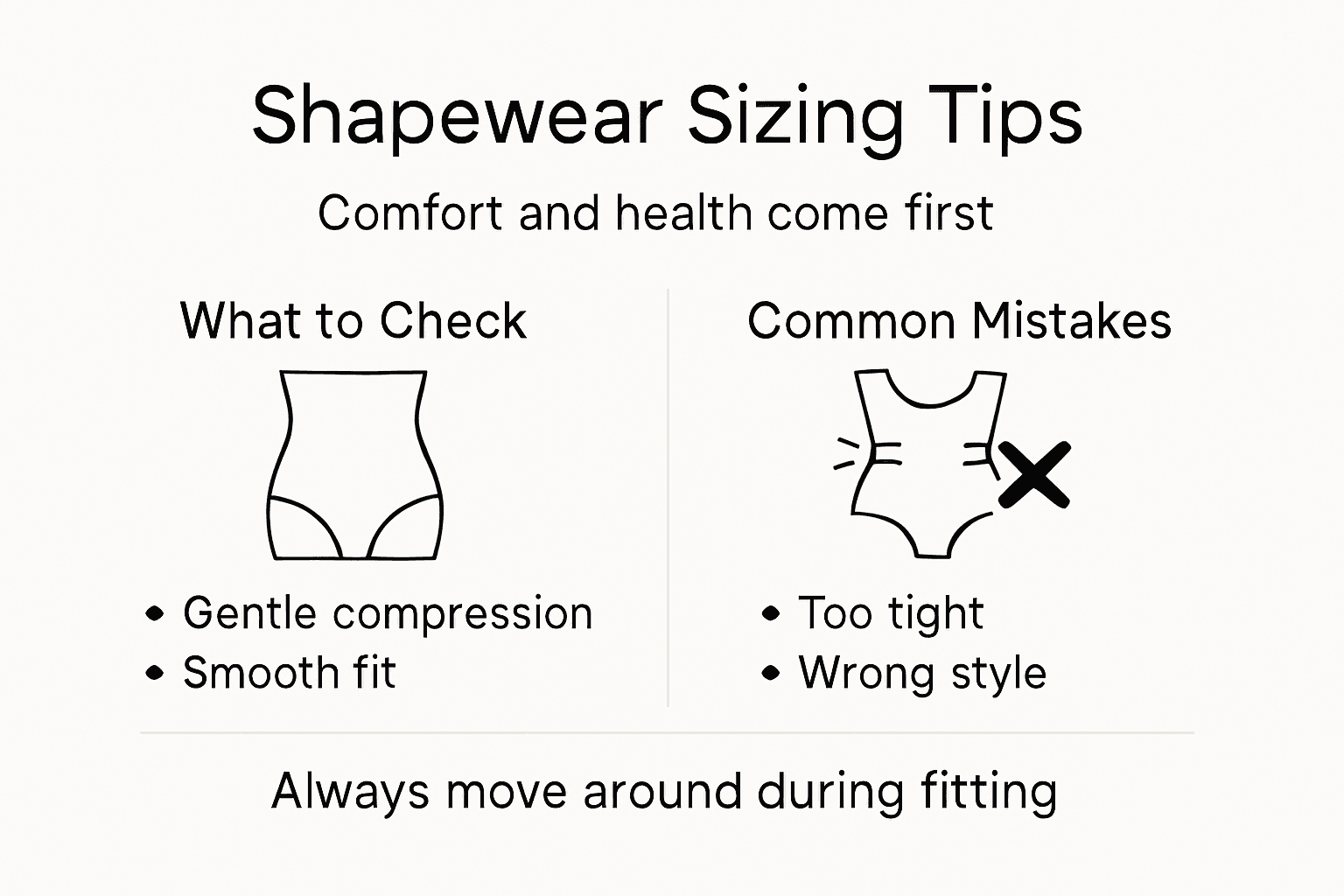
Pro tip: Always try on shapewear and move around to ensure you can breathe, sit, and walk comfortably before making a purchase.
Types of Shapewear and Fit Differences
Shapewear is far more than a one-size-fits-all solution. Foundation garments offer diverse styles designed to address different body shaping needs, from subtle smoothing to dramatic silhouette transformation.
Body coverage is a critical factor in selecting the right shapewear. Styles range widely, including:
Here’s a straightforward summary of popular shapewear styles and their ideal use case:
| Shapewear Type | Coverage Area | Best For | Typical Compression Level |
|---|---|---|---|
| Full-body shaper | Bust to thighs | Overall smoothing | Firm |
| Bodysuit | Torso and hips | Seamless contouring | Medium |
| Waist cincher | Waist and abdomen | Tummy definition | High |
| Thigh slimmer | Hips and thighs | Lower body shaping | Light to medium |
| Compression shorts | Buttocks and thighs | Discreet everyday support | Light |
- Full-body shapers: Comprehensive coverage from bust to thighs
- Bodysuits: Seamless, one-piece contouring solutions
- Waist cinchers: Focused midsection compression
- Thigh slimmers: Lower body targeted smoothing
- Compression shorts: Discreet lower body support
Compression levels vary significantly across different shapewear types. Light compression offers gentle smoothing, while firm compression provides more dramatic body sculpting. The key is matching the garment’s compression to your specific comfort and shaping goals.
Fit differences can dramatically impact shapewear effectiveness. Proper sizing means selecting garments that:
- Create smooth lines without creating additional bulges
- Allow comfortable movement and breathing
- Provide targeted support without restricting circulation
- Complement your natural body shape
Choosing shapewear is about enhancing your confidence, not hiding your body.
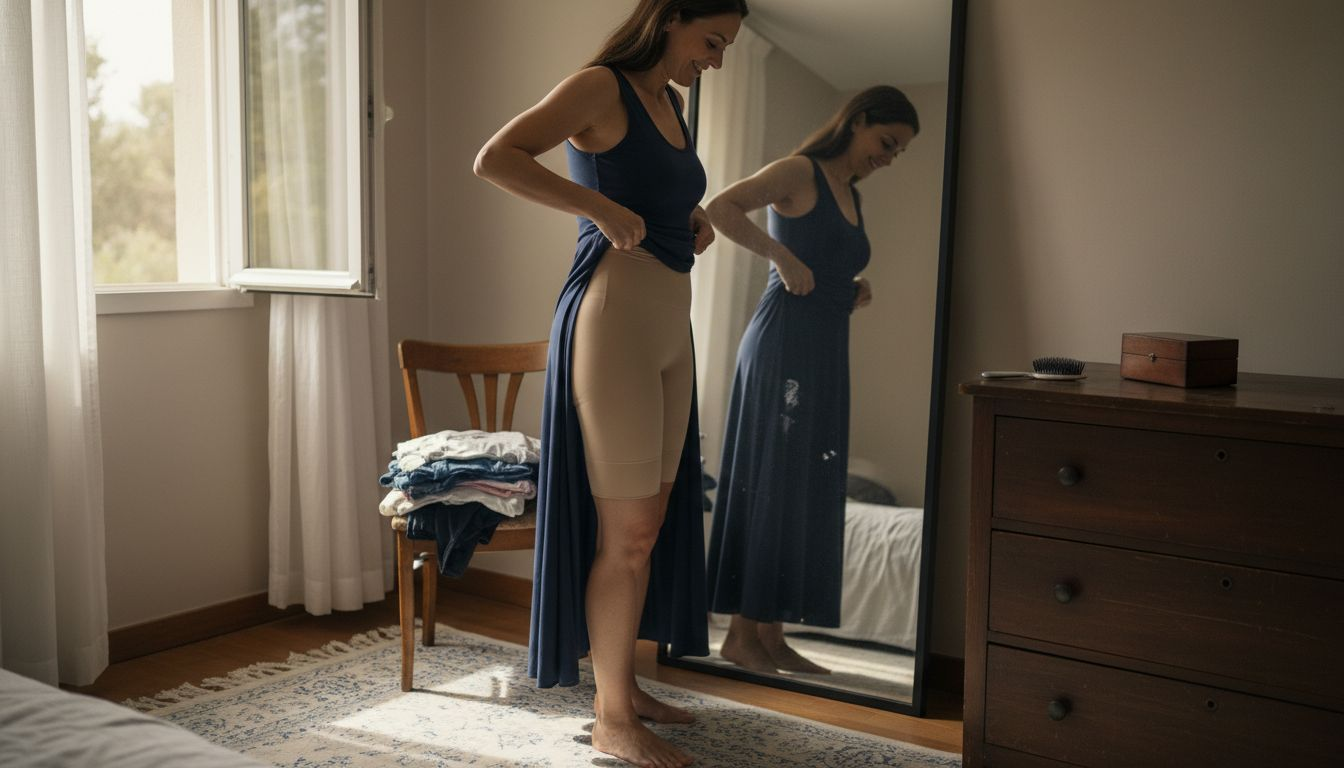
Pro tip: Measure yourself accurately and try on multiple sizes to find the most comfortable and flattering fit.
How Sizing Up Affects Comfort and Results
Body comfort is the ultimate goal of shapewear, and sizing plays a critical role in achieving that objective. Health professionals emphasize the importance of proper fit, warning that overly tight garments can lead to significant health complications.
When shapewear is too small, it can cause several uncomfortable and potentially harmful issues:
- Restricted blood circulation
- Nerve compression leading to numbness
- Skin irritation and visible compression marks
- Increased acid reflux symptoms
- Difficulty breathing and moving naturally
Sizing up offers multiple benefits beyond immediate comfort. A slightly looser fit allows for:
The table below compares potential outcomes of choosing different shapewear sizes:
| Sizing Choice | Comfort Level | Risk of Health Issues | Visual Results |
|---|---|---|---|
| Too small | Uncomfortable | High | Uneven, visible bulges |
| True to size | Comfortable | Low | Smooth, natural silhouette |
| Too large | Loose fit | Minimal | Little to no shaping |
- Better body movement and flexibility
- Improved blood circulation
- Reduced risk of nerve compression
- More natural body contouring
- Enhanced overall wearing experience
Comfort should never be sacrificed in the pursuit of a smooth silhouette.
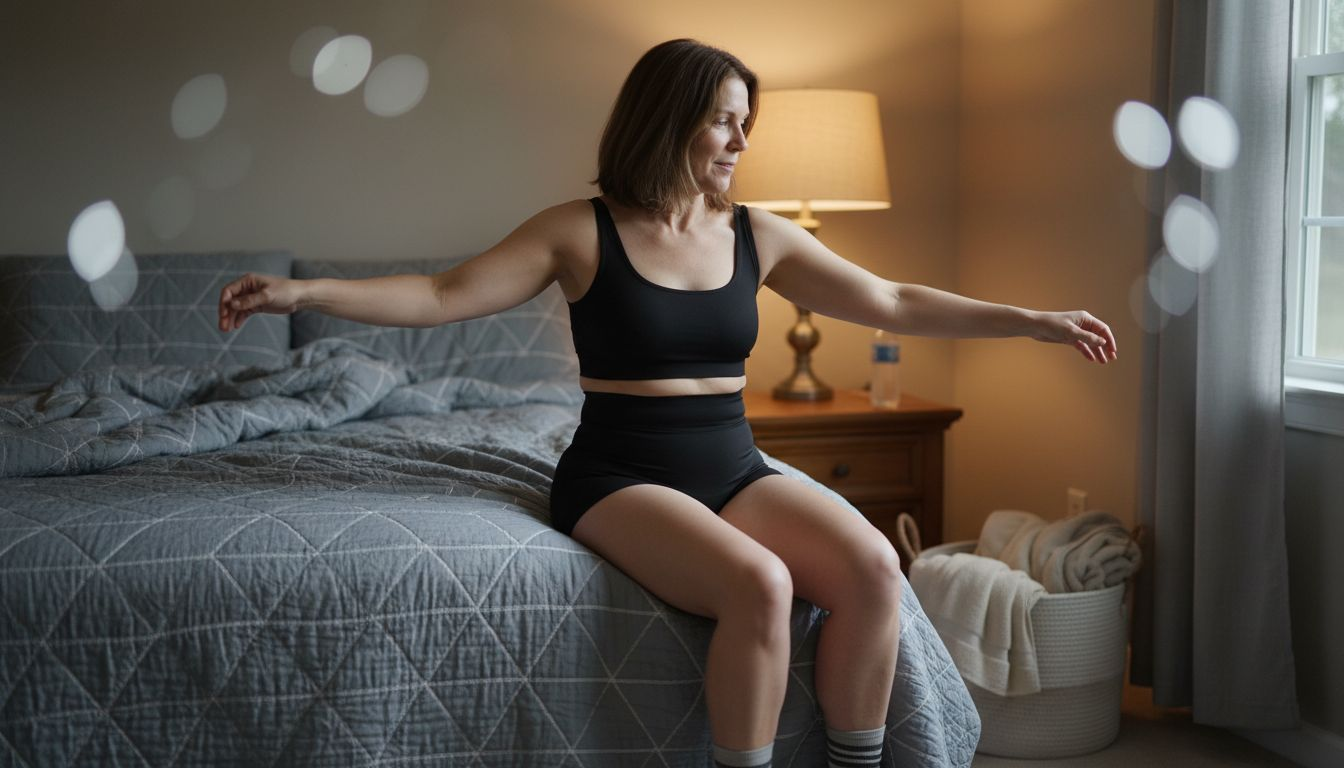
The goal is finding shapewear that provides gentle, supportive compression without feeling restrictive. Medical recommendations suggest moderate, comfortable fit that allows you to move, breathe, and function normally throughout the day.
Pro tip: When trying on shapewear, perform simple movements like sitting, walking, and bending to ensure maximum comfort and unrestricted mobility.
Risks of Choosing Too Small or Tight
Tight shapewear can transform a confidence-boosting garment into a potential health hazard. Medical experts warn about significant health risks associated with compression garments that are too small or restrictive.
The potential health complications from overly tight shapewear are extensive and serious:
- Restricted blood circulation
- Nerve compression leading to persistent numbness
- Increased risk of skin infections
- Digestive system disruption
- Potential development of varicose veins
- Compromised respiratory function
Physiological symptoms that indicate your shapewear is too tight include:
-
Tingling sensations in limbs
-
Visible skin indentations or deep compression marks
-
Swelling around compressed areas
-
Persistent discomfort during movement
-
Difficulty breathing normally
-
Digestive discomfort or acid reflux
Shapewear should enhance your comfort, not create medical complications.
Extended tight compression can trigger serious health concerns, including skin rashes, nerve pain, and long-term circulatory issues. The key is finding a balance between gentle support and unrestricted movement.
Pro tip: If your shapewear leaves deep marks on your skin or causes any persistent discomfort, it’s time to size up or choose a different style.
Common Shapewear Sizing Mistakes
Selecting the right shapewear size is more complex than many women realize. Health experts highlight critical sizing errors that can transform a confidence-boosting garment into a potential health risk.
The most prevalent sizing mistakes include:
- Choosing shapewear significantly smaller than your actual body size
- Ignoring manufacturer’s specific sizing charts
- Prioritizing visual slimming over personal comfort
- Assuming one size fits all body types
- Neglecting to measure yourself accurately before purchasing
Sizing misconceptions can lead to serious consequences. Women often mistakenly believe that:
- Smaller sizes create a more dramatic slimming effect
- Tight compression equals better body shaping
- Discomfort is a normal part of wearing shapewear
- Size charts are merely suggestions
Comfort and health should always take precedence over aesthetic goals.
Medical professionals consistently warn about the potential risks of incorrect shapewear sizing, which can include nerve compression, restricted circulation, and digestive issues.
Pro tip: Invest five minutes in accurate measurements and consult the brand’s specific size guide before making your shapewear selection.
Experience Comfort and Confidence with the Right Shapewear Size
Finding the perfect balance between comfort and support is essential when choosing shapewear. This article highlights the importance of sizing up to avoid discomfort, health risks, and unsightly bulges. If you want gentle compression that moves with you and enhances your natural silhouette without restriction, Saga Women offers a curated collection designed exactly for these needs.
Explore our Seamless Shapewear collection for body-hugging, comfortable fits that provide smooth, natural shaping.
Don’t sacrifice your well-being for style. Shop now at Saga Women to enjoy shapewear that truly fits your body and lifestyle. With our detailed size guides, easy returns, and secure checkout, you can confidently find your perfect fit and embrace your true shape today.
Frequently Asked Questions
Why should I size up in shapewear?
Sizing up in shapewear allows for better comfort and blood circulation, reducing the risk of health issues associated with overly tight garments. A slightly looser fit ensures you can move freely without feeling restricted.
What are the health risks of wearing shapewear that is too tight?
Wearing shapewear that is too tight can lead to restricted blood circulation, nerve compression, skin irritation, digestive issues, and difficulty breathing. It’s important to choose the right size to avoid these complications.
How can I determine the right size for shapewear?
To find the right size for shapewear, accurately measure your body and consult the manufacturer’s specific sizing chart. Always prioritize comfort and ensure the garment provides gentle support without excessive compression.
What should I feel when wearing shapewear?
When wearing shapewear, you should feel comfortable and supported. It should fit snugly to create a smooth silhouette without causing any pain, restriction in movement, or breathing difficulties.
Recommended
- 7 Ways Shapewear Boosts Confidence in Everyday Life – Saga Women
- Top 7 Waist Cinchers Comparison – Expert Comparison 2025 – Saga Women
- Master Plus Size Shapewear Steps for a Flawless Fit – Saga Women
- Why Invest in Shapewear: Confidence and Everyday Wear – Saga Women
- The Psychological Impact of Hair Extensions | Naturyl Extensions


Hinterlasse einen Kommentar
Diese Website ist durch hCaptcha geschützt und es gelten die allgemeinen Geschäftsbedingungen und Datenschutzbestimmungen von hCaptcha.