

Choosing shapewear that hugs in all the right places without sacrificing comfort can feel overwhelming, especially with myths around miraculous body transformations filling social media feeds. For fashion-forward American women, understanding how advanced shapewear materials actually work is the key to elevating confidence and creating a sleek silhouette. This guide cuts through marketing hype to explain what really matters in fabric selection, helping you find styles that balance everyday comfort, support, and effortless style.
Table of Contents
- Defining Shapewear Materials And Common Myths
- Major Types Of Shapewear Fabrics Explained
- How Material Affects Comfort And Silhouette
- Key Features Of Popular Shapewear Materials
- Risks, Drawbacks, And What To Avoid
- Comparing Alternatives For Everyday Use
Key Takeaways
| Point | Details |
|---|---|
| Understanding Material Composition | Shapewear materials like Nylon, Spandex, and Polyester are engineered for comfort and body support rather than permanent shape transformation. |
| Temporary Aesthetic Changes | Shapewear can enhance appearance temporarily, redistributing body volume but not radically altering body structure. |
| Select Based on Function | Choose shapewear according to the desired level of compression and intended use for optimal comfort and effectiveness. |
| Be Cautious of Risks | Improper shapewear selection can lead to breathing difficulties, circulation issues, and skin irritation; hence, always prioritize comfort and breathability. |
Defining Shapewear Materials and Common Myths
Shapewear represents a sophisticated textile technology designed to provide strategic body compression and support. While many consumers believe these garments can magically transform body shape, the reality is far more nuanced. Shapewear material research reveals these garments work through precise engineering of fabric composition and structural design.
Understanding shapewear materials requires breaking down their core components and functional characteristics. Typical shapewear fabrics include:
- Nylon: Provides high elasticity and smooth compression
- Spandex: Offers exceptional stretch and recovery
- Polyester: Delivers lightweight durability and moisture-wicking properties
- Lycra blends: Creates advanced multi-directional support
Contrary to popular marketing claims, federal consumer protection guidelines emphasize that shapewear provides temporary aesthetic modifications, not permanent body transformations. The materials are engineered to redistribute body volume, creating smoother silhouettes through strategic compression zones.
Consumers often misunderstand shapewear’s capabilities, believing these garments can dramatically alter body structure. In reality, high-quality shapewear focuses on comfort, support, and subtle body contouring. The most effective designs balance compression levels with breathable, flexible materials that move with the body.
Pro tip: Always select shapewear based on intended function—light smoothing, medium compression, or firm control—rather than expecting miraculous body transformations.
Major Types of Shapewear Fabrics Explained
Shapewear fabric technology has evolved dramatically, offering sophisticated materials designed to provide targeted body support and compression. Elastic fabric research reveals the intricate science behind these performance textiles, highlighting how specific material compositions dramatically impact garment functionality.
The primary fabric types used in modern shapewear include:
- Nylon-Spandex Blends: Delivers superior stretch and recovery
- Polyester-Elastane: Provides lightweight, moisture-wicking properties
- Microfiber Compositions: Creates smooth, seamless appearance
- Cotton-Blend Elastics: Offers breathable comfort with mild compression
Understanding fabric mechanical properties is crucial for selecting effective shapewear. Textile fit and pressure research demonstrates how different materials interact with body contours, distributing pressure and maintaining structural integrity while ensuring wearer comfort.
Advanced shapewear fabrics now incorporate sophisticated engineering techniques. These materials are not just about compression, but about creating intelligent garments that move with the body, provide targeted support, and maintain breathability. The most advanced designs integrate multiple fabric technologies to achieve optimal comfort and shaping effects.
Pro tip: Select shapewear fabrics based on your specific body needs, considering factors like breathability, compression level, and intended wear duration for maximum comfort and effectiveness.
Here is a summary of how common shapewear materials impact performance and comfort:
| Material Type | Support Level | Comfort Features | Ideal Usage Scenario |
|---|---|---|---|
| Nylon-Spandex | High compression | Smooth, stretchy fit | Special events and contouring |
| Polyester-Elastane | Moderate support | Wicks moisture, durable | Active wear and daily use |
| Microfiber Blend | Gentle smoothing | Soft, seamless design | Under light clothing |
| Cotton-Blend | Light compression | Breathable, soft feel | All-day comfort |
How Material Affects Comfort and Silhouette
Shapewear materials represent a complex engineering challenge, balancing aesthetic goals with physiological comfort requirements. Thermo-physiological comfort research reveals the intricate relationship between fabric composition and wearer experience, demonstrating how material selection dramatically impacts both silhouette and comfort.
Key factors influencing shapewear material performance include:
- Breathability: Determines heat and moisture management
- Elasticity: Controls compression and body contouring
- Density: Affects smoothing and structural support
- Moisture-wicking Properties: Prevents uncomfortable sweating
Compression Materials play a crucial role in silhouette creation. Fabric comfort investigations demonstrate that advanced textile technologies can simultaneously provide targeted body shaping while maintaining thermal regulation. The most effective shapewear materials create a delicate balance between firm structural support and comfortable, breathable wear.
Advanced fabric engineering now allows for intelligent material design that adapts to body movement and temperature. Modern shapewear goes beyond simple compression, incorporating sophisticated textile technologies that provide dynamic support, smooth body lines, and maintain wearer comfort throughout extended wear periods.
Pro tip: Select shapewear with multi-directional stretch fabrics that offer targeted compression without sacrificing breathability, ensuring both comfort and optimal body contouring.
Key Features of Popular Shapewear Materials
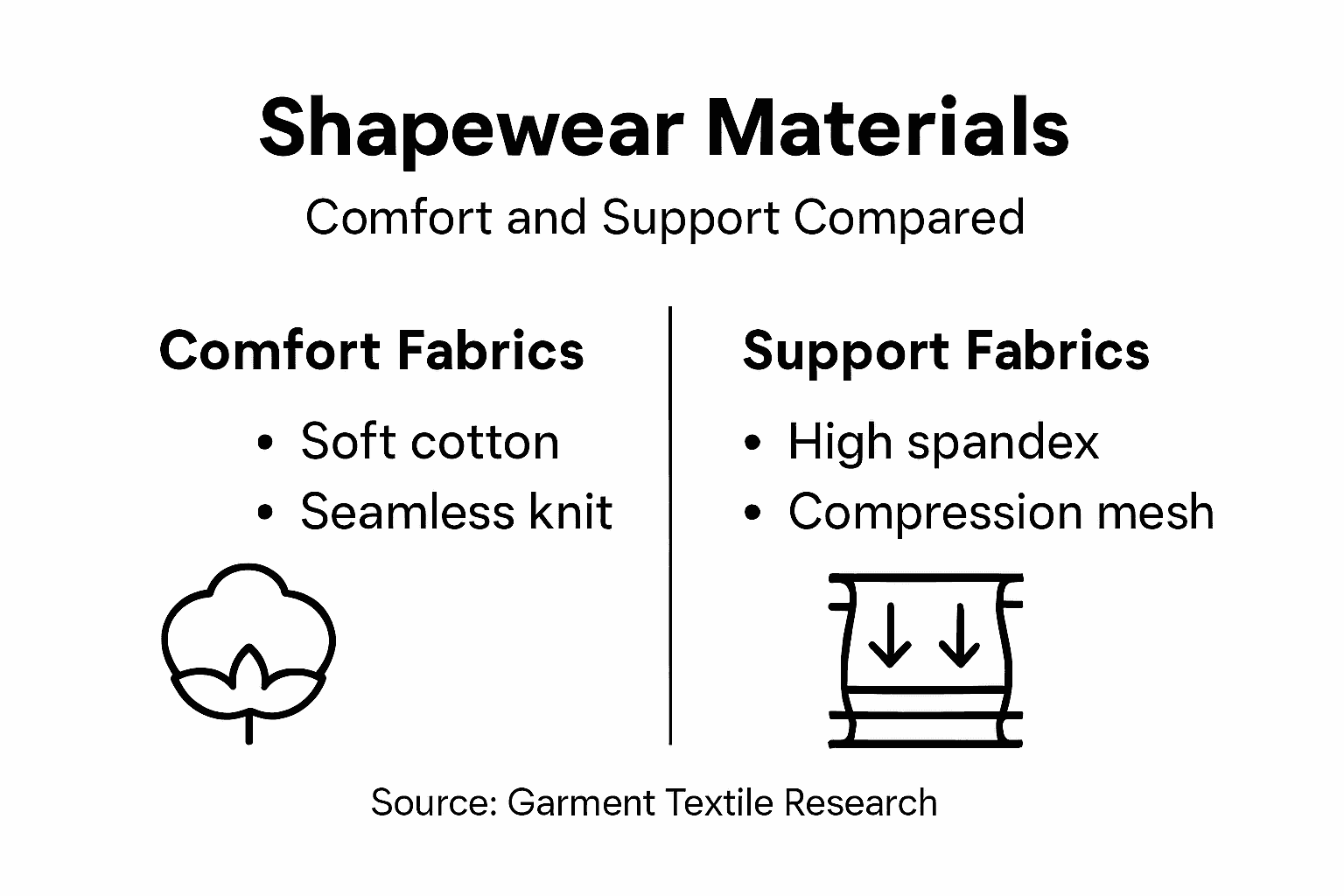
Shapewear fabric technologies have evolved dramatically, offering sophisticated materials designed to meet diverse body-shaping needs. Tencel blended fabric research reveals groundbreaking insights into how advanced textile compositions can dramatically improve comfort and support.
The most critical features of high-performance shapewear materials include:
- Moisture Management: Prevents uncomfortable sweating
- Tensile Strength: Maintains consistent compression
- Thermal Regulation: Adapts to body temperature
- Stretch Recovery: Retains original shape after wear
- Breathability: Allows skin to remain cool and dry
Elastic knitted fabric analysis demonstrates how advanced materials balance multiple performance characteristics. Modern shapewear goes beyond simple compression, incorporating intelligent textile technologies that provide dynamic support, smooth body lines, and maintain wearer comfort throughout extended wear periods.
Advanced fabric engineering now enables materials that adapt to body movement, temperature, and individual contours. These sophisticated textiles create a perfect balance between firm structural support and comfortable, breathable wear, ensuring shapewear feels like a second skin rather than a restrictive garment.
Pro tip: Look for shapewear with multi-directional stretch fabrics that offer targeted compression zones and moisture-wicking properties for maximum comfort and effective body contouring.
Risks, Drawbacks, and What to Avoid
Federal consumer protection guidelines reveal critical insights into the potential risks associated with improper shapewear selection. Understanding these potential drawbacks is essential for making informed choices that prioritize both body contouring and personal health.
Key risks and potential issues with shapewear include:
- Breathing Restriction: Overly tight garments can impede normal respiratory function
- Circulation Limitations: Excessive compression may reduce blood flow
- Skin Irritation: Poor material choices can cause chafing and discomfort
- Muscle Weakness: Prolonged dependency can potentially reduce natural muscle tone
- Digestive Disruption: Extreme compression might interfere with normal digestive processes
Material safety research emphasizes the importance of selecting shapewear that allows proper body movement and maintains physiological balance. Consumers should avoid garments that promise unrealistic transformations or restrict natural body functions. The most effective shapewear provides gentle, strategic compression without compromising overall physical comfort and health.
Medical professionals recommend approaching shapewear as a supplementary fashion tool, not a permanent body modification solution. Warning signs that indicate inappropriate shapewear include persistent discomfort, difficulty breathing, numbness, or visible skin indentations after wearing. Always prioritize garments that offer breathable materials, adjustable compression levels, and flexibility.
Pro tip: Always perform a “comfort test” by ensuring you can take a full, deep breath and move freely when trying on shapewear, indicating appropriate fit and compression levels.
Comparing Alternatives for Everyday Use
Athlete wear textile research reveals groundbreaking insights into alternative garment technologies that can transform everyday shapewear approaches. Understanding these alternatives helps consumers make more informed clothing selections that prioritize both comfort and body contouring.
Top alternatives to traditional shapewear include:
- Compression Leggings: Offer lighter, more flexible support
- Seamless Bodysuits: Provide smoother silhouette with minimal restriction
- Athletic Compression Wear: Deliver targeted muscle support
- High-Waisted Smoothing Shorts: Create gentle lower body contouring
- Layering Tanks: Offer subtle shaping without intense compression
Tight-fitting sportswear construction techniques demonstrate innovative approaches to garment design that can revolutionize everyday wear. Modern alternatives focus on dynamic fabric technologies that adapt to body movement, providing support without sacrificing comfort or natural range of motion.
The most effective alternatives balance compression, breathability, and flexibility. Consumers should prioritize garments that offer multi-directional stretch, moisture-wicking properties, and strategic compression zones. These advanced design approaches ensure comfortable, supportive wear that moves with the body rather than restricting it.
To help choose among modern alternatives, here’s a comparison of popular shapewear options for daily wear:
| Alternative Style | Main Advantage | Typical Drawback | Best For |
|---|---|---|---|
| Compression Leggings | Flexible movement | Less upper body control | Casual or active days |
| Seamless Bodysuit | Invisible silhouette | Can be warm | Fitted dresses |
| High-Waisted Shorts | Easy layering | Limited full-body shaping | Everyday outfits |
| Layering Tank | Mild shaping | Minimal compression | Layering under tops |
Pro tip: Mix and match different alternative shapewear pieces to create a personalized comfort and support system that adapts to your specific body and clothing needs.
Discover Comfort and Support with the Right Shapewear Materials
Choosing shapewear that balances comfort and support is a common challenge highlighted in the article “Shapewear Material Differences Comfort vs. Support.” If you have struggled to find garments that provide effective compression without sacrificing breathability or comfort you are not alone. Understanding the nuances of materials like nylon spandex blends and microfiber can transform how you feel in shapewear every day. Saga Women offers carefully curated selections that address these pain points directly with advanced textile compositions engineered for targeted body contouring and breathable fit.
Explore our Seamless Shapewear collection designed to offer smooth silhouettes with soft stretch and reliable compression. Or try our Shapewear Bodyshapers for firm control that moves with your body. Each piece features quality materials that combine moisture management and multi directional stretch to keep you confident all day.
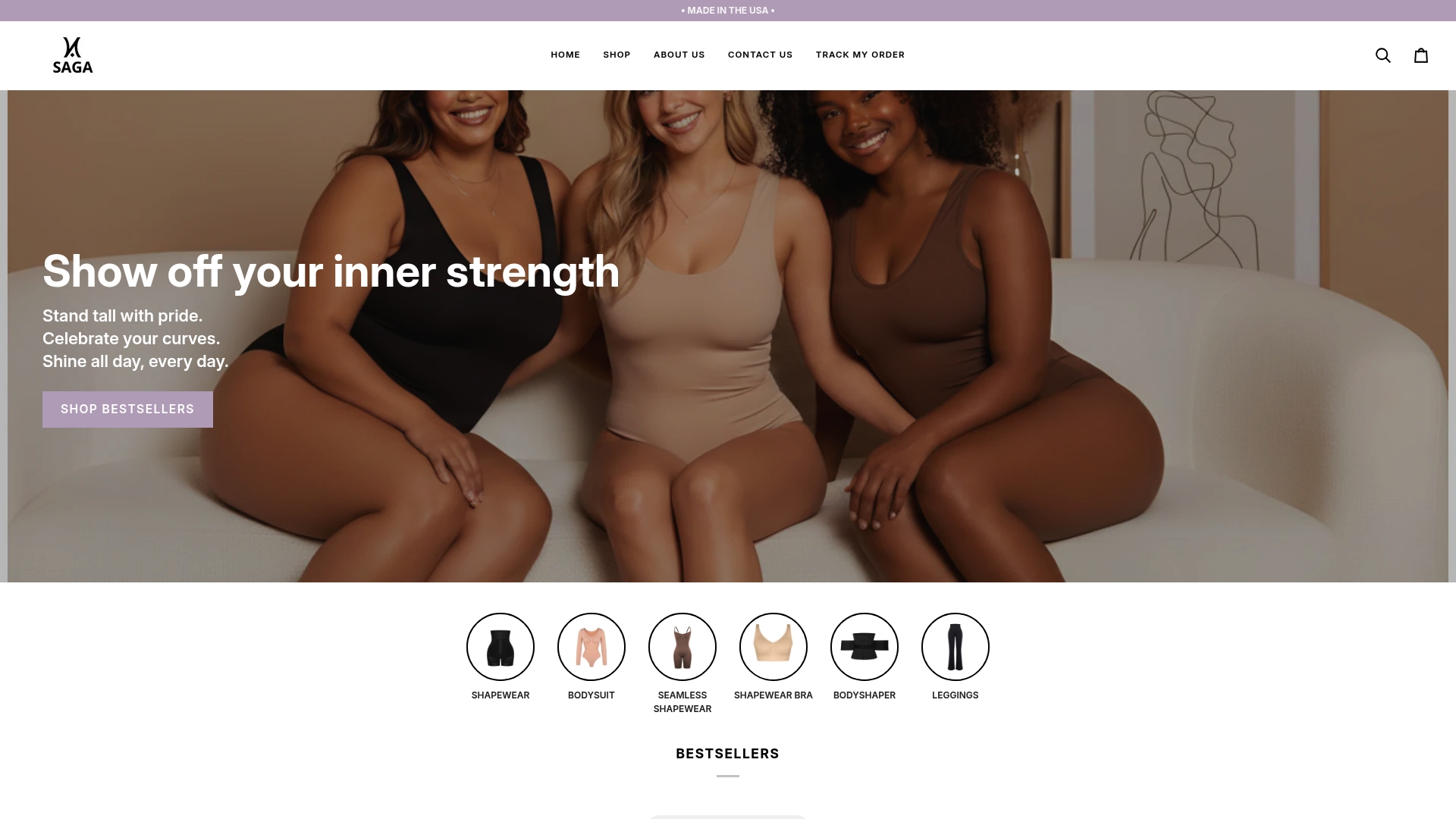
Don’t wait for discomfort or poor fit to hold you back. Visit Saga Women now to find shapewear equipped to support your unique shape with lasting comfort. Shop today and experience the perfect blend of function and style tailored just for you.
Frequently Asked Questions
What are the primary materials used in shapewear?
Shapewear is commonly made from materials such as nylon, spandex, polyester, and lycra blends. These fabrics provide elasticity, support, and comfort while helping to shape the body’s silhouette.
How do I choose the right level of compression in shapewear?
Select shapewear based on your intended function—light smoothing, medium compression, or firm control. Consider your activity level and comfort preference to determine the best fit for your needs.
Can shapewear cause health issues?
Yes, overly tight shapewear can restrict breathing, circulation, and digestion, and potentially lead to skin irritation. It’s essential to choose garments that allow for proper movement and comfort.
What is the difference between shapewear and regular underwear?
Shapewear is specifically designed to provide targeted compression and support to create a smoother silhouette, while regular underwear focuses on basic coverage and comfort without shaping features.
Recommended
- Best Fabrics for Shapewear: Comfort, Support, and Style – Saga Women
- Why Shapewear Is Comfortable for Modern Women – Saga Women
- Top 7 Waist Cinchers Comparison – Expert Comparison 2025 – Saga Women
- What Is Wireless Shapewear and Why It Matters – Saga Women
- Shop High waist leggings | The Injection Room


Hinterlasse einen Kommentar
Diese Website ist durch hCaptcha geschützt und es gelten die allgemeinen Geschäftsbedingungen und Datenschutzbestimmungen von hCaptcha.