
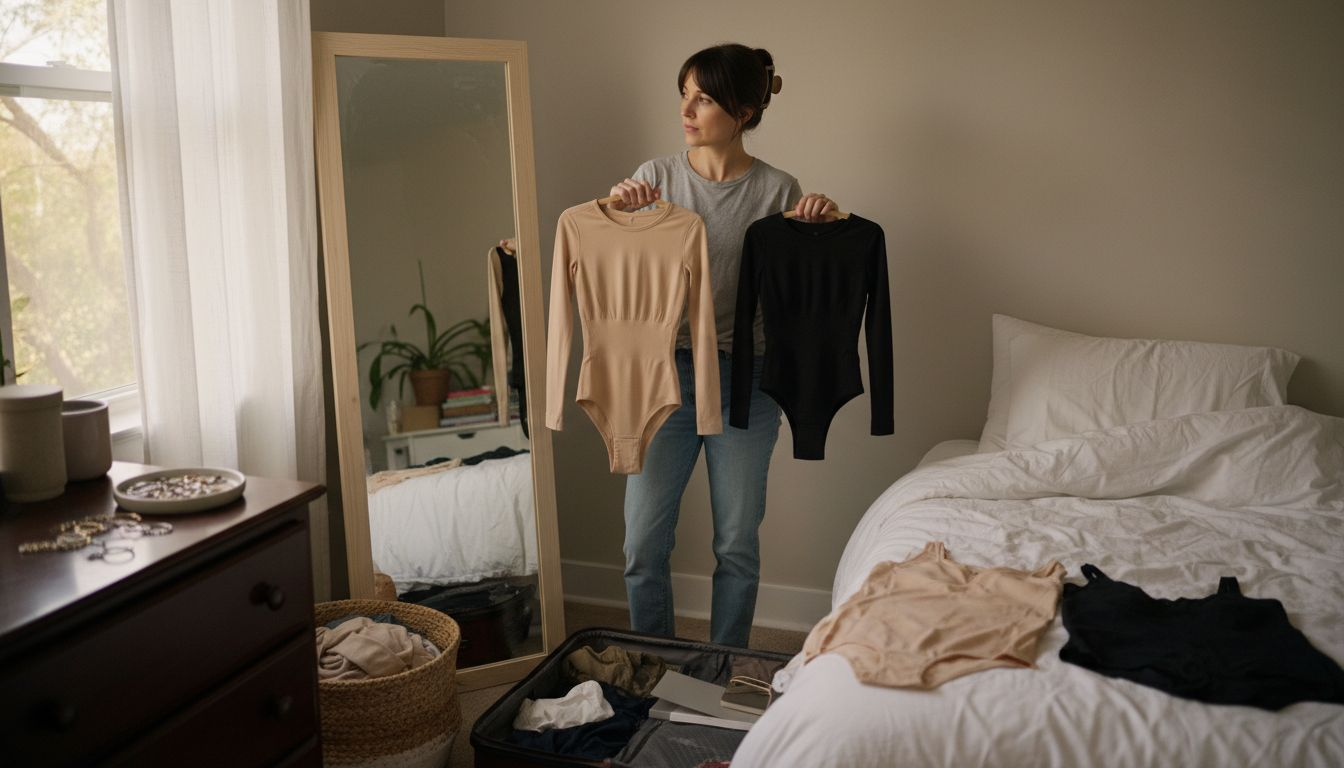
Choosing the perfect shapewear can feel overwhelming when every option promises comfort, support, and an invisible fit. Finding the right style for your body and wardrobe takes more than guesswork. Wearing shapewear that’s too snug can actually cause discomfort, skin irritation, or circulation issues instead of the smooth silhouette you want.
This guide breaks down what actually matters for safe and comfortable shapewear, from picking the proper size to understanding which fabrics help you stay cool all day. Get ready to uncover the key steps to find shapewear that fits your lifestyle, outfits, and comfort level—plus practical care tips that keep your favorites looking and feeling like new. Each insight in the list that follows will help you shop smarter and wear shapewear with total confidence.
Table of Contents
- 1. Identify Your Shapewear Goals And Needs
- 2. Choose The Right Fit For Comfort And Support
- 3. Select Styles For Different Outfits And Occasions
- 4. Consider Fabrics For All-Day Breathability
- 5. Check For Seamless And Invisible Finishes
- 6. Test Ease Of Wear And Movement
- 7. Care Tips To Keep Your Shapewear Lasting Longer
Quick Summary
| Takeaway | Explanation |
|---|---|
| 1. Identify your shapewear goals | Understand your shapewear needs to avoid unnecessary purchases that won’t meet your expectations. |
| 2. Prioritize fit for comfort | A well-fitted shapewear piece should be snug but not restrictive, ensuring comfort all day. |
| 3. Select the right style for outfits | Choose shapewear styles based on the outfits you plan to wear to avoid visible lines and achieve a smooth look. |
| 4. Ensure breathability in fabrics | Opt for breathable materials to avoid discomfort from moisture and heat buildup while wearing shapewear. |
| 5. Maintain shapewear correctly | Proper laundering and storage extend the life of your shapewear, keeping it in good condition for future use. |
1. Identify Your Shapewear Goals and Needs
Before you purchase your first piece of shapewear or add to your collection, take time to understand what you actually want shapewear to do for you. This clarity makes the difference between finding a perfect fit and wasting money on pieces that sit unworn in your drawer.
Shapewear serves different purposes for different women. Some wear it to smooth their silhouette under fitted dresses. Others use it for everyday confidence and comfort, while some reach for it only on special occasions. Understanding foundation garments and their varying levels of control helps you see that shapewear isn’t one-size-fits-all. Light smoothing shapewear addresses subtle bumps, while firm control options reshape your entire midsection or thighs. Your goal determines which type works best for your lifestyle.
Consider what body areas concern you most. Does your midsection feel soft in certain outfits? Are you self-conscious about your thighs or your hip area? Does your back need smoothing support? Different shapewear styles target different zones. A shapewear bra smooths the chest and back. Leggings address thighs and lower body. Bodysuits provide full-coverage shaping. Being specific about your concerns narrows your choices significantly.
Think about your lifestyle and how often you’ll wear shapewear. If you plan to wear it daily under work clothes, comfort becomes non-negotiable. You need a piece that won’t ride up, dig in, or make you want to rip it off by noon. If shapewear is reserved for special events, you can prioritize maximum control and a sleeker silhouette over all-day wearability. Your usage patterns shape your priorities.
Comfort matters more than you might think. Proper fitting shapewear smooths your silhouette without causing physical discomfort, according to medical professionals. Too much constriction leads to restricted breathing, skin irritation, and the risk of health issues if worn excessively. The best shapewear works because it fits well, not because it squeezes you to the point of pain.
Another consideration is the look you’re trying to achieve. Are you aiming for a natural, undetectable smoothness that nobody will guess you’re wearing? Or do you want noticeably enhanced curves and a different silhouette altogether? Understanding your shapewear needs helps you explore collections specifically designed to meet various body goals and styling preferences. Different styles create different effects, and knowing your target outcome helps you shop with purpose.
Your confidence level also plays a role. Some women feel most confident in minimal shaping that simply smooths lines. Others feel empowered by firm control that noticeably reshapes their body. Neither approach is wrong. Your emotional comfort matters as much as physical comfort when choosing shapewear.
Pro tip: Write down three specific situations where you’d wear shapewear and what you’d want it to accomplish in each situation, then use this personal checklist when shopping to stay focused on your actual needs rather than impulse purchases.
2. Choose the Right Fit for Comfort and Support
Finding the right fit is where shapewear transforms from uncomfortable torture device to your secret confidence booster. A properly fitted piece works invisibly under your clothes, smoothing your silhouette without leaving you counting down the minutes until you can take it off.
The fundamental rule is simple: shapewear should fit snugly but never squeeze. Think of it like a firm hug rather than a vice grip. When shapewear is too tight, it creates real physical problems. Overly tight shapewear can compress nerves and restrict circulation, leading to tingling, numbness, and discomfort that makes wearing it pointless. You might smooth your silhouette on the outside while creating health issues on the inside. That trade off never makes sense.
Proper sizing matters more than you might think. Many women make the mistake of choosing a size smaller than they actually need, thinking it will provide more control. The opposite happens. An undersized piece will bulge in unexpected places, roll down throughout the day, and create visible lines rather than smooth ones. The right fit combines comfort with support, providing smooth contouring that accentuates curves, while oversized shapewear simply slides around doing nothing for you.
Here’s how to know if your shapewear fits correctly. Put it on and check for these signals. You should be able to breathe normally without restriction. You should not see any marks, indentations, or angry red lines on your skin after wearing it for an hour. The leg openings should stay in place and not dig into your thighs. The neckline should sit where it’s supposed to without gaping or sliding. You should be able to move, sit, and bend without the piece twisting, rolling, or riding up. If any of these things happen, the fit is wrong.
Material stretchiness plays a critical role in achieving proper fit. Higher quality shapewear stretches to accommodate your body’s natural movement while maintaining control. Cheaper materials that don’t stretch well either feel stiff and restricting or lose their shape after just a few wears. When you’re trying on shapewear, move around in it. Sit down. Bend over. Reach up. The piece should move with your body and snap back into place, not feel like you’re trapped in hardened plastic.
Consider your outfits when choosing your size and style. If you’re wearing a fitted dress, you might need a different size than if you’re wearing looser clothing. Thick fabrics can accommodate a snugger shapewear fit, while thin, clingy materials show every detail, so you need a perfect fit that won’t create visible lines. Layering options also change your shapewear choices.
Many women discover that different shapewear brands fit differently, similar to how jeans from different companies fit their bodies in unique ways. One brand’s medium might feel perfect while another brand’s medium squeezes uncomfortably. Don’t assume all shapewear fits the same way. Take time to try on options and pay attention to how each brand feels on your specific body.
Pro tip: Check the return policy before purchasing and wear your shapewear around the house for at least an hour to test the fit and comfort level before committing to keeping it, ensuring you’re making the right choice for your body and lifestyle.
3. Select Styles for Different Outfits and Occasions
Not all shapewear works for all outfits. The piece that smooths you perfectly under your office pants might create visible lines under a silk dress. Learning which shapewear style matches which outfit ensures you look polished no matter what you’re wearing.
Shapewear comes in multiple styles, each designed for specific fashion needs. Bodysuits provide full coverage from chest to thigh, making them perfect for dresses and skirts. Shapewear leggings target your lower body and work beautifully under pants or skirts. Shapewear bras smooth your chest and back, ideal under tight tops or dresses with open backs. High waist shorts focus on your midsection and thighs, working well under pants or casual wear. Smoothing slips sit like a slip dress under your clothes, providing seamless shaping. Understanding these different shapewear styles tailored for various fashion needs helps you match the right piece to each outfit.
Consider your outfit’s fabric weight when selecting shapewear. Thick fabrics like sweaters, blazers, or structured dresses hide shapewear easily, so you have flexibility in fit and style. Thin, clingy fabrics demand careful shapewear selection. A silk dress or form fitting jersey top shows every ripple, bump, and line of your shapewear underneath. For these outfits, you need seamless, minimal thickness shapewear that disappears completely. The thinner and smoother the shapewear, the more invisible it becomes under clingy fabrics.
Necklines and back designs significantly impact your shapewear choices. A high crewneck top requires shapewear that doesn’t show at the neckline. An open back dress needs shapewear with a low back or no back coverage. A strapless outfit demands strapless shapewear to avoid visible bands. A dress with a plunging V neckline needs a smoothing bra designed not to show. Think through your outfit’s design features before choosing shapewear, or you’ll end up with visible straps, bands, or edges peeking out.
The occasion influences your shaping level. For everyday work wear, you might choose light smoothing shapewear that feels comfortable for eight hours. For a special event where you’re sitting for just a few hours, you can opt for firmer control that creates more dramatic shaping. A casual weekend brunch calls for minimal shaping, while an important presentation might warrant more support and control. Your comfort tolerance changes based on how long you’ll wear the piece and what you’re doing in it.
Shapewear selection considers both everyday wear and special events, with emphasis on comfort and enhancing your appearance. The goal is matching your shapewear intensity to your specific situation. You’re not trying to squeeze into maximum compression for a casual dinner with friends. You’re also not wearing barely-there smoothing for an event where you want noticeable curve enhancement. The right match between outfit, occasion, and shapewear style creates seamless confidence.
Practical application means keeping a small shapewear wardrobe that covers your common outfits and situations. Most women find that three to five pieces handle most of their styling needs. One bodysuit for dresses. One pair of leggings for pants. One smoothing slip for delicate fabrics. One high waist short for casual wear. One shapewear bra for tops. You don’t need extensive collections. You need thoughtful selections that work with your actual wardrobe.
When you’re shopping for an outfit and unsure how shapewear will work with it, visualize the piece on your body. Will the neckline show shapewear? Will the fabric cling and reveal shapewear lines? Will the cut and length work with specific styles? These questions help you either choose different shapewear or select a different outfit option if needed.
Pro tip: When trying on new outfits while shopping, picture which shapewear piece from your collection would work best with it, and if nothing does, consider adding a new style to your shapewear wardrobe that fills that gap rather than buying outfits you can’t comfortably wear.
4. Consider Fabrics for All-Day Breathability
The fabric your shapewear is made from determines whether you feel comfortable all day or uncomfortable by lunchtime. Breathability isn’t a luxury feature for shapewear. It’s a fundamental requirement that separates pieces you’ll actually wear from pieces that collect dust in your drawer.
Breathability in fabric means the material allows moisture and heat to escape from your skin. When you wear shapewear, your body temperature rises slightly and you naturally perspire, even if you don’t notice visible sweat. If your shapewear fabric traps this moisture against your skin, you end up with a clammy, uncomfortable feeling that makes you hyperaware you’re wearing anything at all. Worse, trapped moisture creates the perfect environment for skin irritation and bacterial growth. Breathable fabrics solve this problem by wicking moisture away from your skin and allowing it to evaporate.
Breathability in fabric is essential for comfort and helps overcome moisture buildup, which promotes thermal regulation throughout the day. Think of breathable fabric as a smart barrier that lets your skin breathe while still providing shaping support. Quality shapewear manufacturers invest in technologies that create this balance. They understand that shaping means nothing if you’re miserable wearing the piece.
Different fabric compositions offer varying levels of breathability. Natural fibers like cotton breathe well but don’t provide much stretch or shaping. Synthetic blends engineered specifically for activewear and shapewear offer better breathability than basic polyester while maintaining stretch and support. The best shapewear combines breathable materials with moisture wicking technology, allowing sweat to move away from your skin and dry quickly.
Look for specific fabric technology words on product descriptions and labels. Materials that mention moisture wicking, moisture management, or ventilation technology are designed with breathability in mind. Fabrics labeled as lightweight or mesh offer more airflow than dense, heavy materials. Some brands use innovative breathable fabrics with technologies inspired by nature that improve wearer comfort without sacrificing shaping benefits. These advanced materials represent the cutting edge of shapewear comfort.
The percentage composition matters too. A blend of 85 percent polyamide and 15 percent spandex typically breathes better than 95 percent polyester and 5 percent spandex. Check the fiber content listed on your shapewear. Higher percentages of breathable materials usually indicate better comfort for extended wear. Don’t assume all shapewear breathes the same. Read the fabric description, and if it’s not mentioned, that’s often a sign the breathability wasn’t a priority for that piece.
Practical application means testing how the fabric feels against your skin. When trying on shapewear, wear it for at least 10 to 15 minutes. Does it feel clammy or clammy free? Does moisture seem to sit on the surface or get absorbed and move away? Can you feel air circulation, or does the fabric feel airtight? Your skin’s response during a short trial tells you a lot about how you’ll feel wearing it all day.
Consider your climate and lifestyle when choosing fabric. If you live somewhere warm or spend your day moving around in an active job, breathability becomes even more critical. Shapewear for someone in a cold climate doing sedentary desk work might get away with less breathability than shapewear for someone in a warm climate who exercises regularly. Match your fabric choice to your actual conditions.
Remember that even the most breathable shapewear has limits. Wearing shapewear for extended periods every single day can still cause skin irritation because you’re applying compression to the same areas constantly. Give your skin breaks. Don’t wear the same shapewear pieces day after day without rest. Rotate between different pieces if you wear shapewear daily, allowing your skin recovery time.
Pro tip: When shopping online, read customer reviews specifically mentioning how the fabric feels after wearing for several hours, as real user experiences with breathability and comfort over time provide better insights than marketing descriptions alone.
5. Check for Seamless and Invisible Finishes
Visible seams and edges are the enemy of confident shapewear wearing. Nothing ruins the smooth silhouette you worked to achieve quite like visible shapewear lines showing through your outfit. The difference between shapewear that disappears under your clothes and shapewear that announces itself comes down to construction details you need to check before buying.
Seamless construction is the gold standard for shapewear. Foundation garments are designed to be worn discreetly under outerwear with seamless or minimal seam construction to avoid visible lines under clothing. Seamless shapewear uses advanced knitting techniques to create garments with no traditional seams running along the sides or torso. Instead, the entire piece is knitted as one smooth layer that conforms to your body without creating ridges or bumps. This construction method costs more to manufacture, which is why quality shapewear costs more than cheaper alternatives, but the invisibility is worth every penny.
Not all seams are equally visible. Some strategic seams placed on the back or sides create structure without showing through front fitting clothes. What you want to avoid are seams running down the front center of your body or large bulky seams anywhere. Feel the seams of your shapewear by running your hand over the inside and outside. Thick, raised seams will create lines under fitted clothing. Flat, smooth seams disappear better. The best seams are practically undetectable to your fingertips.
Edge finishes matter as much as seams. Shapewear edges where the fabric ends need to be finished smoothly so they don’t create visible edges under your clothes. Look for edges that are rolled, bound, or finished with a soft elastic that won’t dig in or show through. Harsh, unfinished edges create lines and feel uncomfortable against your skin. Quality shapewear invests in proper edge finishing that you won’t notice when wearing it.
Check for strategic coverage and cutouts designed for invisibility. Seamless shapewear helps avoid lines and bulges under clothes, important for confidence and style, with many modern pieces offering smooth, invisible finishes. Some shapewear features carefully placed cutouts that allow your natural curves to show through in flattering ways while smoothing other areas. These cutouts prevent the bulky, obvious shapewear look and create a more natural silhouette. Quality pieces think through exactly where coverage is needed and where it isn’t.
When shopping online, look at product photos from multiple angles. Check images of the back, sides, and front. Do you see visible seams in the photos? Zoomed in shots should show smooth finishes. Read customer reviews specifically mentioning whether the shapewear creates visible lines. Real women wearing the piece in real clothing provide better insights than product photos. If multiple reviewers mention visible edges or seams, that’s a red flag.
Try before you commit when possible. Feel the shapewear in person. Run your hands over all the seams and edges. Check where the leg openings finish. Make sure elastic edges aren’t thick or stiff. Try it on under a fitted white or light colored shirt. If you see any lines or edges, that piece won’t work for your most fitted outfits. Even if you can’t return it, you’ll know for future reference not to wear it under clingy fabrics.
Understand that different fabrics show seams differently. Thick, textured fabrics hide seams well. Thin, clingy fabrics expose every detail. A piece that’s invisible under a sweater might show lines under a silk cami. Consider your most common outfit types and prioritize invisibility for those situations. You might accept minor visible lines for occasional use pieces, but your everyday shapewear needs to be perfectly invisible.
The goal is shapewear that disappears so completely that nobody looking at you would ever guess you’re wearing anything special under your clothes. You want to feel the smoothing and shaping, but you don’t want to see evidence of it. Seamless construction and invisible finishes make that possible.
Pro tip: When trying on shapewear, wear it under a fitted, light colored garment and look at yourself from every angle in natural lighting, paying special attention to the back and sides where seams and edges often create unexpected lines that you might miss in a mirror under store lighting.
6. Test Ease of Wear and Movement
Shapewear that restricts your movement defeats its entire purpose. You want to feel confident and supported, not trapped and limited. Testing how easily you can move in shapewear before committing to it ensures you’ll actually wear it instead of leaving it in your drawer.
Movement matters because shapewear lives in the real world with your real body. You’re not standing still in a fitting room all day. You’re sitting at your desk, reaching for items, bending down, walking, climbing stairs, and moving through your day. Your shapewear needs to move with you and accommodate these natural movements without rolling, sliding, or bunching up. If it doesn’t, you’ll spend your entire day adjusting it and feeling self conscious about whether it’s still in place.
Modern shapewear designs prioritize comfort and mobility using elastic and lightweight fabrics that move with the wearer, balancing firm support with freedom of movement for extended wear. Quality shapewear stretches and flexes as you move, then snaps back into place when you stop. Cheap shapewear often feels stiff and unyielding, moving with you in ways that create visible shifts under your clothes.
When trying on shapewear, go through an actual movement test. Don’t just stand there. Sit down completely and notice what happens. Does the shapewear roll up? Does it dig into your waist? Can you breathe normally while seated? Stand back up and check if it settled back into place or if you need to adjust it. Reach your arms up overhead. Does the piece ride up? Does it restrict your shoulder movement? Bend forward and touch your toes or squat down. Does the shapewear feel like it’s limiting your range of motion? These real world movements reveal whether the piece will work for your actual life.
Leg openings require special attention during movement testing. Walk around while wearing the shapewear. Do the leg openings stay in place or do they ride up into your inner thigh, creating a painful pinching sensation? Do they slide down your legs? The best leg openings have just enough tension to stay put without constricting. You should be able to forget about them entirely.
Fabric properties significantly impact how freely you can move. Fabric properties related to stretch, flexibility, and compression affect how shapewear performs during movement, ensuring adequate flexibility for various activities. Shapewear made from blended fabrics with higher elastane content moves more freely than fabrics with minimal stretch. When checking fabric composition, look for blends that emphasize flexibility. Higher percentages of spandex or elastane generally indicate better movement and recovery.
Consider what activities you’ll do while wearing shapewear. If you’re attending a seated dinner, slightly restricted movement might be acceptable. If you’re working a job that requires walking, reaching, or moving around, you need maximum flexibility. If you exercise while wearing shapewear, you need fabrics designed for athletic movement. Match the movement capability to your actual needs.
Practical testing means staying in the fitting room or dressing area long enough to really put the shapewear through its paces. Five to ten minutes of movement testing provides far better information than simply putting it on and looking in the mirror. Your first impressions matter, but your movement experience matters more because that’s how you’ll actually wear it.
Remember that some restriction is normal and expected with shapewear. You’re providing external support and shaping, which naturally limits movement slightly compared to wearing nothing. The question isn’t whether you feel any restriction, but whether the restriction is acceptable given how you plan to use the piece. Tight, uncomfortable restriction that makes you hyperaware of the garment is different from firm support that you forget about after a few minutes of wearing it.
Quality shapewear achieves the sweet spot where you feel supported and shaped but don’t feel trapped. You can breathe. You can move. You can sit comfortably. You can reach and bend. The shaping works because the garment fits your body perfectly, not because it chokes you into submission.
Pro tip: When trying on shapewear in a store, perform a full sitting position for at least 30 seconds, checking whether it stays in place and feels comfortable, as this simulates real desk work or event sitting better than standing and will reveal whether the piece works for your actual day.
7. Care Tips to Keep Your Shapewear Lasting Longer
Your shapewear is an investment in your confidence and wardrobe. Proper care extends its lifespan significantly, keeping your pieces looking new and performing beautifully for years instead of months. A few simple habits transform how long your shapewear lasts.
Laundering matters more than you might think. After each wear, your shapewear has absorbed sweat, body oils, and bacteria from your skin. Regular laundering maintains hygiene and prevents skin irritation from accumulated sweat and bacteria buildup. Washing frequently isn’t just about cleanliness. It’s also about fabric preservation. Sweat and oils break down elastic fibers over time. Regular washing removes these damaging substances before they permanently damage your shapewear.
Hand washing is the gold standard for shapewear care. Machine washing, even on delicate cycles, creates friction that weakens elastic fibers and can damage seams. Fill a sink with cool water and mild detergent. Submerge your shapewear and gently agitate it for a few minutes. Rinse thoroughly with cool water until all soap is gone. Gently squeeze out excess water without wringing or twisting. Lay your shapewear flat on a clean towel to dry, or hang it on a hanger in a well ventilated area. Air drying preserves elastic better than machine drying, which creates heat that damages fibers.
Washing temperature impacts fabric longevity. Hot water can damage elastic and fade colors. Warm water can break down spandex fibers over time. Cool or lukewarm water is your safest bet. It cleans effectively while being gentle on delicate elastic materials. This small adjustment significantly extends your shapewear’s working life.
Detergent selection matters. Regular laundry detergent can be harsh on delicate fabrics. Gentle detergents specifically formulated for delicate or athletic wear treat your shapewear better. Some people use specialized lingerie wash designed specifically for intimate apparel and shapewear. The extra investment in proper detergent pays off in extended garment life.
Takes breaks between wears. Elastic needs rest to recover and maintain its stretch. Wearing the right size and taking breaks between wearing reduces fabric overstretching and damage while prolonging garment life. If you wear shapewear daily, rotate between at least two pieces. This gives each piece a chance to recover between wears, preventing the elastic from becoming permanently fatigued. Think of it like exercise. Your muscles need rest days to recover and stay strong. Your shapewear elastic works the same way.
Storage affects longevity. Don’t store your shapewear crammed into a drawer where it’s constantly bent and compressed. Fold it gently or hang it on padded hangers in a cool, dry place. Keep it away from direct sunlight, which can fade colors and weaken elastic. Avoid storing it near heat sources like radiators or sunny windows. Proper storage maintains shape and prevents unnecessary damage when you’re not wearing it.
Handle pilling carefully. With wear, shapewear fabric sometimes develops tiny balls of fiber called pilling. This looks unattractive but doesn’t necessarily mean your shapewear is done. Gently remove pills with a fabric defuzzer or fine bristled brush. Be gentle to avoid damaging the underlying fabric. Pills can often be removed without harming the garment.
Patch small issues immediately. Notice a small hole or loose seam? Address it right away before it becomes a major problem. A tiny hole can be hand stitched. A loose seam can be resewn before it completely separates. Small preventive maintenance saves your favorite pieces from being discarded prematurely.
Avoid bleach completely. Even diluted bleach can damage colored shapewear and weaken elastic fibers. Stick to mild detergents without bleach or brighteners. If you need extra cleaning power, soak the piece in cool water with detergent for a longer time rather than using harsh chemicals.
Consider the sizing factor. Wearing properly sized shapewear prevents excessive stretching that damages elastic, extending garment lifespan considerably. Shapewear that’s too small gets overstretched constantly, causing elastic to fatigue and lose its shape permanently. Shapewear that’s too large gets bunched and twisted, creating strain on seams and fabric. The right size wears evenly and lasts longer.
With intentional care habits, your shapewear pieces can maintain their performance and appearance for many years. You’re protecting your investment while ensuring your favorite pieces stay ready whenever you need them.
Pro tip: Wash your shapewear immediately after wearing rather than letting it sit in a hamper, as fresh stains and bacteria are easier to remove and this prevents odors and mildew from setting into the fabric.
Below is a comprehensive table summarizing strategies for selecting and caring for shapewear effectively as discussed in the article.
| Aspect | Key Details | Actions and Considerations |
|---|---|---|
| Identify Goals | Understand the purpose of shapewear, whether for daily wear or special occasions. | Define specific needs based on your body areas and clothing styles. |
| Choose the Right Fit | Ensure a snug but comfortable fit, avoiding overly tight sizing. | Try various brands and styles; prioritize comfort and support. |
| Select Appropriate Styles | Match shapewear styles to outfits and occasions. | Consider outfits’ design, fabric weight, and visibility needs. |
| Consider Fabric Properties | Breathable fabrics promote comfort and avoid irritation. | Review material labels for indicators of stretch and breathability. |
| Opt for Seamlessness | Seamless designs prevent visible lines under clothing. | Inspect seams and edges for understated finishes and durability. |
| Ease of Movement | Shapewear should enhance confidence without restricting mobility. | Test movement range while wearing the garment. |
| Care Maintenance | Proper cleaning and storage extend garment lifespan. | Hand wash with cold water and mild detergent; air dry thoroughly. |
Find Your Perfect Shapewear Match Today
Struggling to find shapewear that truly fits your body and lifestyle goals can be frustrating. Whether you want comfortable all-day support, seamless invisibility under any outfit, or targeted shaping for special occasions, understanding your needs is the first step. Our curated collection at Saga Women offers a variety of styles designed to solve common challenges like discomfort, visible seams, and limited movement. Explore our Shapewear Bodyshaper selection for firm control that sculpts your silhouette and check out our Seamless Shapewear collection to experience invisible support that stays hidden under your clothes.
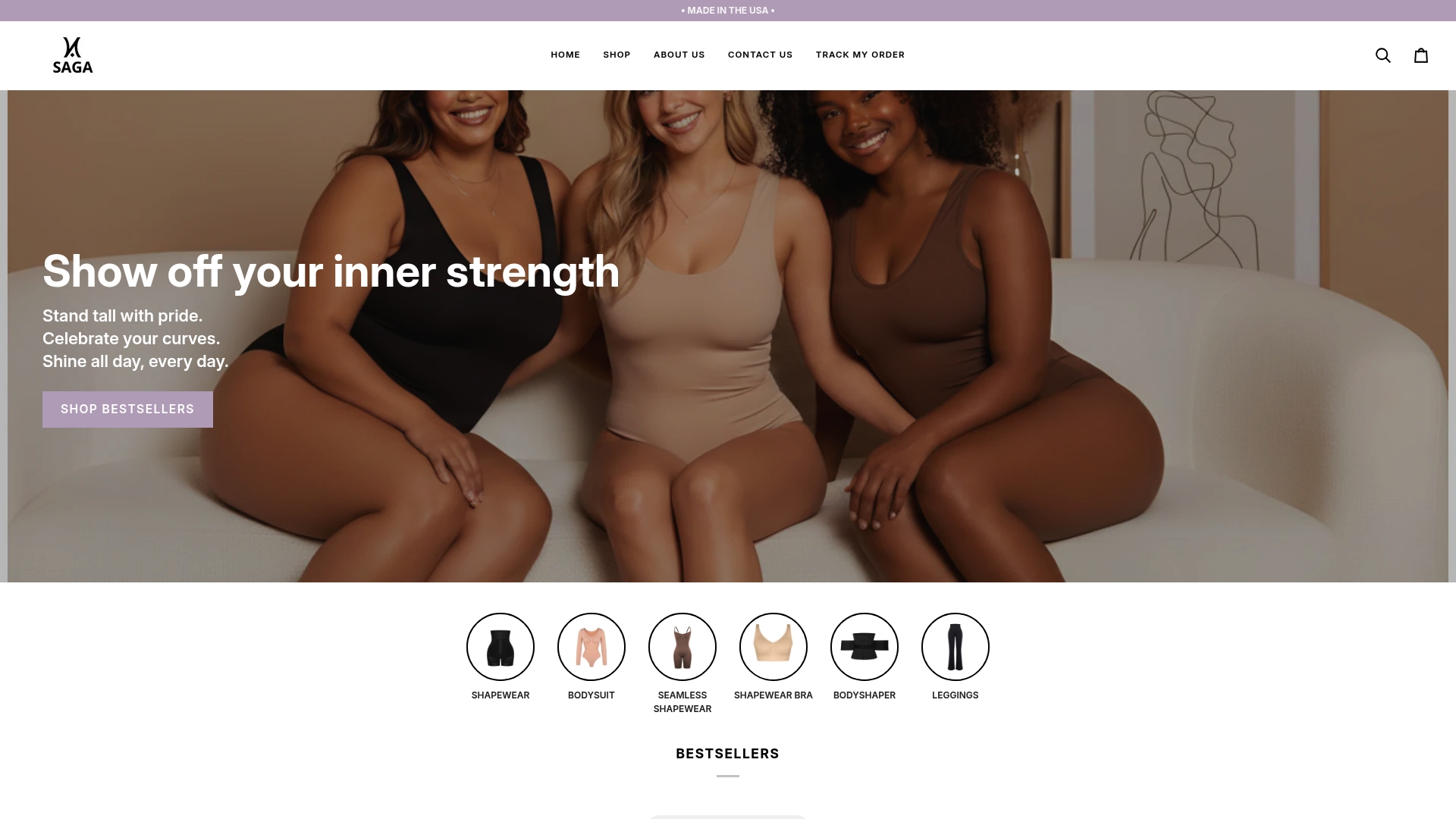
Don’t settle for shapewear that constrains or disappoints. Step into confidence and comfort now by visiting Saga Women. Shop with ease knowing you have free US shipping and a 30-day easy return policy to make your perfect shapewear journey risk free. Find your ideal fit and feel empowered every day.
Frequently Asked Questions
What are the key factors to consider when identifying my shapewear goals?
Understanding your shapewear goals begins by determining what you want it to achieve for you. Focus on which body areas concern you, such as your midsection or thighs, and consider whether you need light smoothing or firm control. Write down specific occasions where you plan to wear shapewear and what results you expect in each case.
How can I ensure I choose the right fit for my shapewear?
To choose the right fit, select shapewear that feels snug but comfortable. Try on different sizes and pay attention to whether it allows you to breathe easily and move without restriction. Always check that it doesn’t dig into your skin or create visible lines after wearing it for an hour.
What styles of shapewear work best for different outfits?
Different shapewear styles cater to various outfit needs. For example, a bodysuit might be ideal under dresses, while shapewear leggings work well under pants. Assess the fabric and cut of your outfit to select the most suitable shapewear that won’t show lines or seams.
How can I assess the breathability of shapewear fabrics?
To assess breathability, look for materials labeled with moisture-wicking or breathable technology. During your fitting, wear the shapewear for at least 10 minutes to see if it feels clammy or if air circulation is sufficient. A fabric that feels comfortable and allows heat and moisture to escape is essential for all-day wear.
What should I do to maintain my shapewear so it lasts longer?
To maintain your shapewear, wash it regularly by hand with mild detergents, and air dry it to preserve the elastic fibers. Avoid exposure to direct sunlight and refrain from using bleach or harsh detergents that can damage the fabric. Additionally, rotate between pieces to give them time to recover after wearing.
Recommended
- Top 7 Waist Cinchers Comparison – Expert Comparison 2025 – Saga Women
- Master Plus Size Shapewear Steps for a Flawless Fit – Saga Women
- What Is Shapewear? Complete Guide for Women – Saga Women
- Master Plus Size Shapewear Steps for a Flawless Fit – Saga Women
- Simple Skincare for Makeup: The Essential Guide – Luméra Cosmetica

Hinterlasse einen Kommentar
Diese Website ist durch hCaptcha geschützt und es gelten die allgemeinen Geschäftsbedingungen und Datenschutzbestimmungen von hCaptcha.