
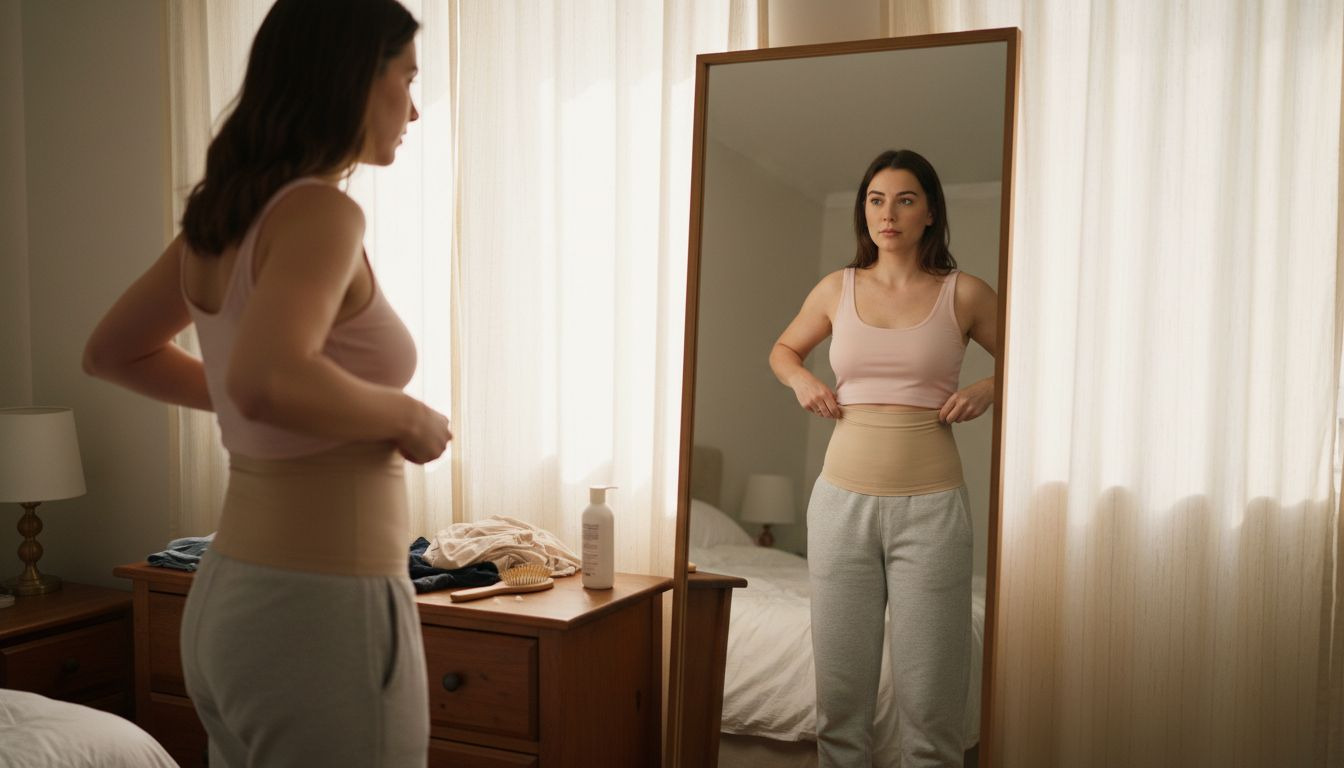
Choosing the right shapewear can feel confusing, especially when you want both style and comfort for busy American days and festive nights. It matters because the perfect fabric makes all the difference in how confident and at ease you feel—whether you need subtle shaping beneath your favorite California sundress or firm support for a New York gala. In this guide, you’ll discover how key shapewear fabrics influence comfort, breathability, and silhouette, helping you find flattering options that fit your lifestyle and body beautifully.
Table of Contents
- Step 1: Assess Your Body Shaping Needs
- Step 2: Explore Key Shapewear Fabric Options
- Step 3: Compare Comfort and Breathability Features
- Step 4: Evaluate Fabric Durability and Care
- Step 5: Verify Fit and Fabric Performance
Quick Summary
| Key Insight | Explanation |
|---|---|
| 1. Assess Your Body Shaping Needs | Identify areas to target and desired control levels before shopping to avoid ineffective purchases. |
| 2. Explore Key Shapewear Fabric Options | Understand fabric types and their effects on comfort, durability, and compression to match your needs. |
| 3. Compare Comfort and Breathability Features | Prioritize breathability and comfort when selecting shapewear to ensure it remains wearable throughout the day. |
| 4. Evaluate Fabric Durability and Care | Review care instructions carefully to maintain shapewear’s performance and longevity, avoiding costly replacements. |
| 5. Verify Fit and Fabric Performance | Conduct real-world tests on fit and comfort to confirm shapewear meets your expectations during everyday activities. |
Step 1: Assess your body shaping needs
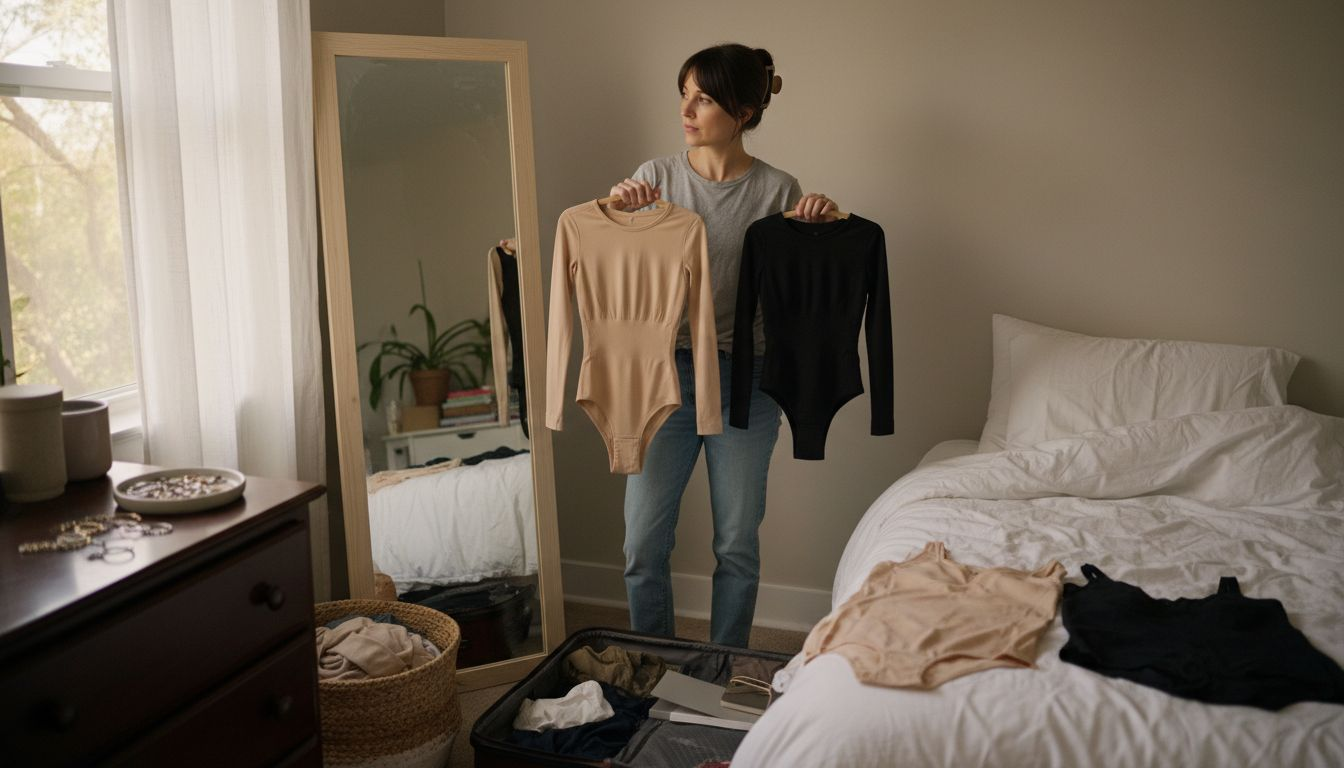
Before you start shopping for shapewear, you need to understand what you actually want to achieve. This isn’t about conforming to anyone else’s standards. It’s about identifying which areas of your body you want to smooth, enhance, or support, and understanding how much control level will make you feel confident and comfortable. Taking time to assess your specific shaping goals upfront saves you from buying pieces that don’t address your actual concerns.
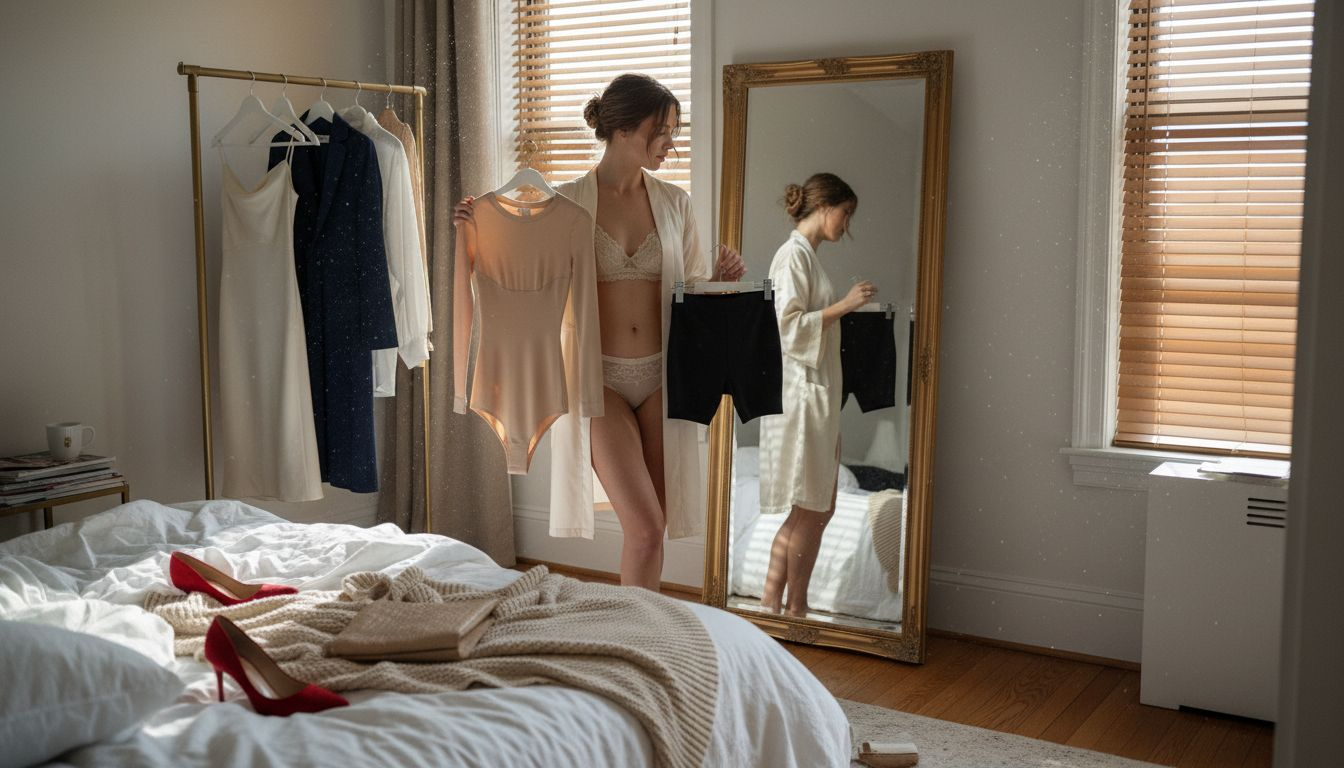
Start by thinking about the occasions and outfits where you’ll wear shapewear. Are you looking for subtle smoothing under a fitted dress for a night out, or do you need firm support for an all-day event? The level of control you need varies dramatically depending on your goals. Some women want light smoothing that creates a sleek line without feeling restrictive, while others prefer firmer compression for more dramatic body contouring. Shapewear comes in various styles and levels of control, from light smoothing to firm shaping, so understanding your preference helps narrow down your options significantly.
Next, identify the specific areas you want to target. Do you want to smooth your midsection, lift and support your hips and thighs, minimize panty lines, or enhance your bust? Different shapewear styles address different zones, so being specific about your problem areas prevents you from overspending on pieces that don’t serve your needs. Many women find they need different styles for different outfits, which is completely normal. One piece might be perfect for a flowing maxi dress while another works better under a bodycon silhouette.
Consider your comfort tolerance and lifestyle, too. You’ll be wearing this shapewear for hours, sometimes all day, so honestly assess how much compression you can handle without feeling restricted or uncomfortable. Properly fitted shapewear should enhance your body shape without causing circulation problems or skin irritation, so comfort isn’t a luxury—it’s essential. Think about whether you prioritize freedom of movement, breathability, or staying power throughout the day. Understanding what you do and don’t want to feel helps you evaluate fabric choices more strategically. You might also consider how your body responds to compression and whether certain materials tend to irritate your skin. Some women discover they’re sensitive to synthetic fabrics and need more breathable options, while others find that specific blends work beautifully with their skin chemistry.
Finally, think about your size and how shapewear fits your body type. Your assessment should include whether you typically wear petite, regular, or tall lengths, and which areas of your body tend to need more coverage or support. Understanding the purpose and design of body shapers helps you recognize which styles naturally match your body’s proportions and needs. The right shapewear should feel like it was designed specifically for you, not like you’re forcing yourself into someone else’s solution.
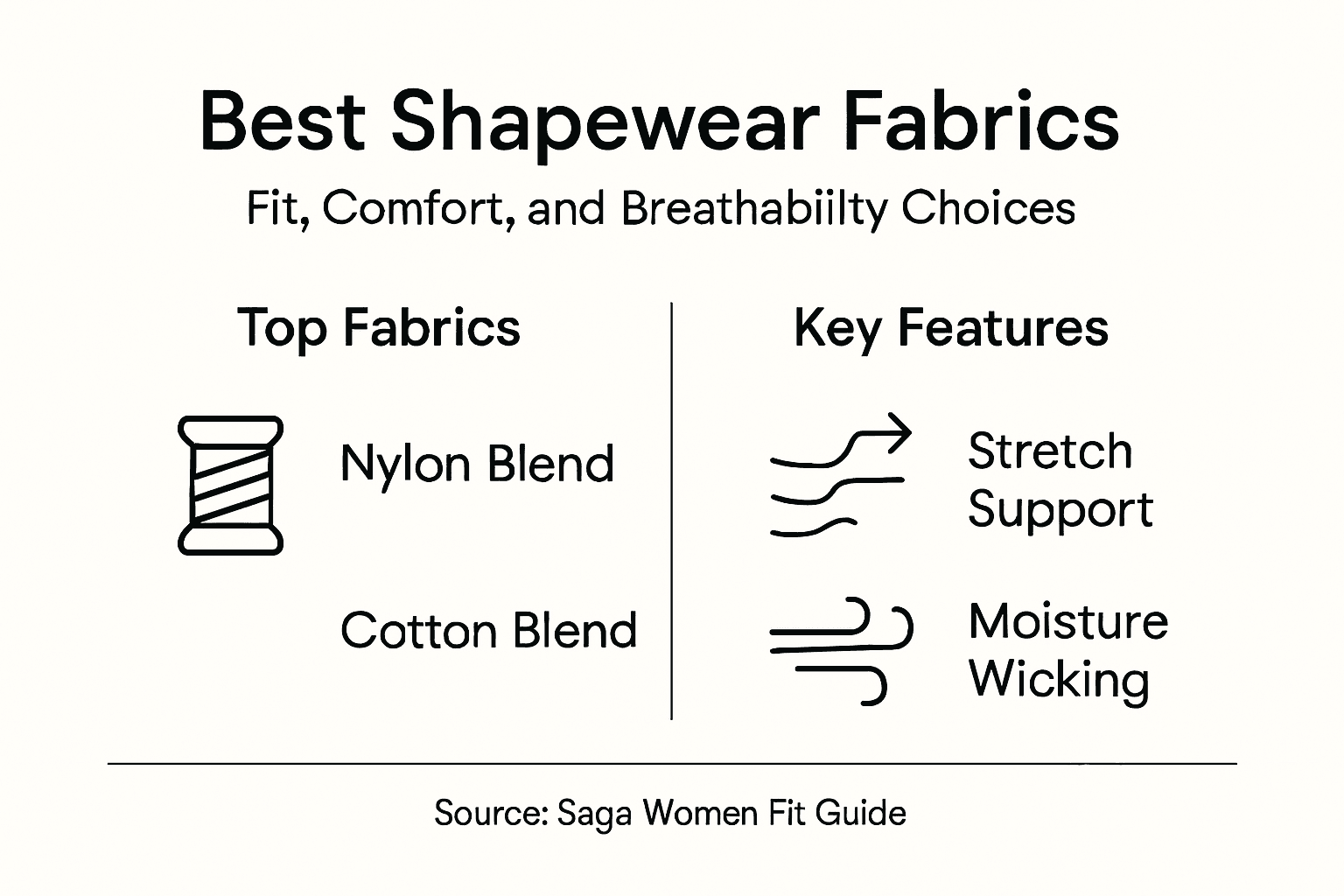
Pro tip: _Write down your specific goals, preferred control level, target areas, and comfort preferences before shopping, then refer to this list when evaluating fabrics and styles. Having clarity beforehand makes it much easier to spot pieces that genuinely meet your needs rather than getting swayed by sales or trendy options.
Step 2: Explore key shapewear fabric options
Now that you understand your shaping goals, it’s time to learn about the fabrics that make shapewear work. The material composition of your shapewear directly affects how it looks, feels, and performs throughout the day. Different fabrics offer different levels of compression, breathability, and durability, so understanding what’s available helps you make choices aligned with your comfort needs and lifestyle.
Most shapewear relies on elastic fabric blends that combine stretch and support, typically mixing nylon, spandex, and polyester. These materials work together to create garments that conform to your body while providing the compression you need for smoothing and shaping. Nylon offers durability and a smooth feel against skin, spandex provides the stretchy recovery that allows fabrics to bounce back to their original shape after wearing, and polyester adds strength and helps the fabric maintain its form over time. The specific proportions of these materials vary by brand and style, which is why some shapewear feels firmer while others feel softer or more breathable. Understanding this basic composition helps you evaluate product descriptions and make sense of why different pieces feel distinctly different on your body.
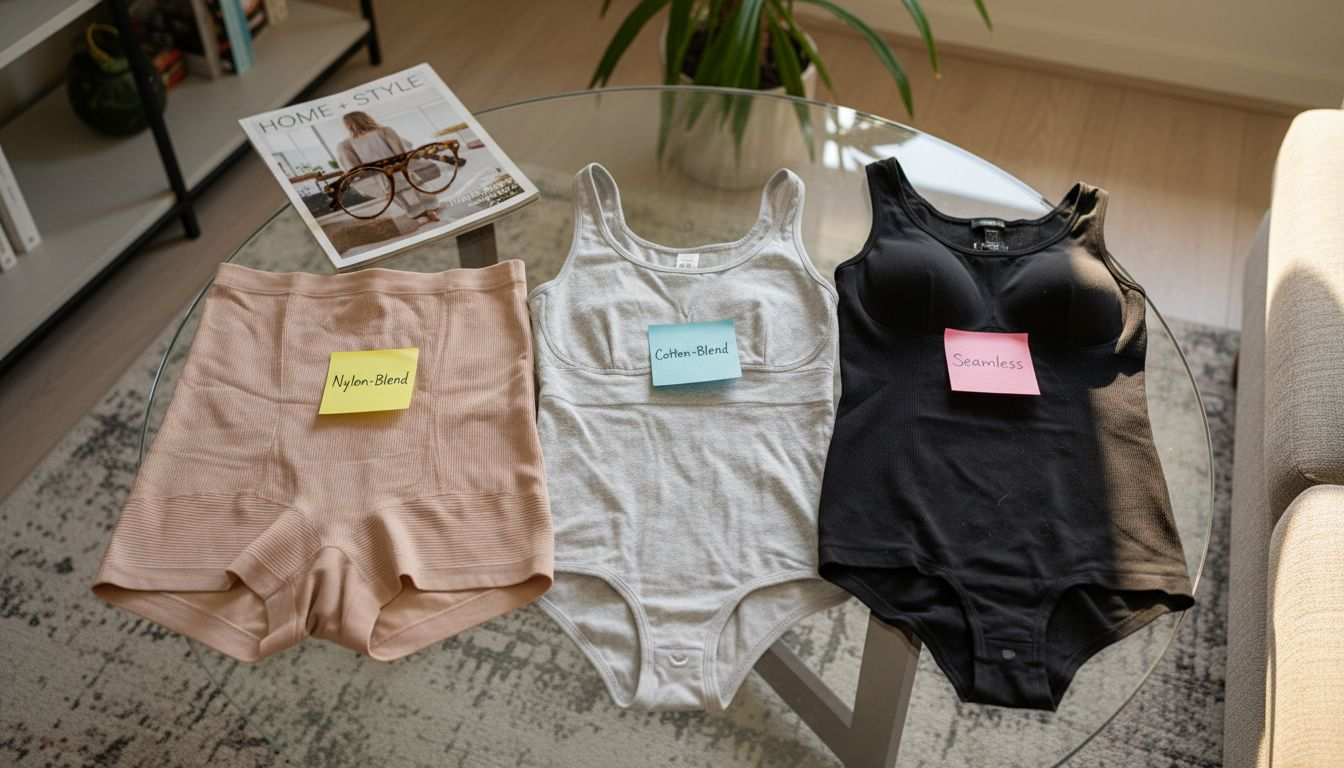
Beyond the standard synthetic blends, some brands now incorporate performance fabrics that prioritize breathability and moisture management. Merino wool, for example, offers exceptional benefits for active shapewear wearers. Merino wool provides superior breathability and moisture management, absorbing significant moisture while remaining dry to the touch. This wool is temperature regulating, meaning it adapts dynamically to your body’s temperature changes, keeping you comfortable whether you’re sitting in an air-conditioned office or moving around throughout your day. If you tend to get warm easily or spend time in humid climates, wool blends or moisture-wicking synthetics might be better choices than traditional nylon and spandex combinations.
You’ll also encounter different fabric construction methods that affect how shapewear functions. Some pieces use seamless construction, which eliminates visible panty lines and reduces chafing, while others use strategic seaming for targeted support. Mesh panels in certain areas provide breathability where you need it most, while firmer panels in problem areas deliver more noticeable shaping. Powernet is another popular fabric choice that’s smooth, durable, and provides excellent compression without feeling overly rigid. Cotton blends are sometimes used in gusset areas for comfort and moisture absorption. The combination of materials within a single garment is actually quite strategic, with designers placing specific fabrics where they’ll do the most good.
When exploring fabric options, pay attention to how different materials feel against your skin during a trial period. Your skin sensitivity, climate, activity level, and how long you’ll wear the shapewear all influence which fabric will actually work best for you. A fabric that feels luxurious in the store might become uncomfortable after four hours of wear, or it might perform perfectly if you’re only wearing it for special occasions. Synthetic fabrics tend to offer more dramatic shaping and longer lasting smoothness, but they may trap heat if you’re prone to overheating. Natural fiber blends or moisture-wicking options provide better temperature regulation but sometimes don’t create quite as firm a shaping effect. Understanding the relationship between fabric choices and shapewear performance helps you match your material preferences to your actual lifestyle and comfort needs.
Pro tip: Check product reviews and descriptions for specific fabric composition percentages and construction methods, then test how similar fabrics feel on your skin before committing to a purchase, since fabric comfort is highly individual and what works for someone else might not work for you.
Here’s a quick reference comparing common shapewear fabrics and their core features:
| Fabric Type | Compression Level | Breathability | Durability |
|---|---|---|---|
| Nylon/Spandex | Medium to firm | Moderate | Very high |
| Polyester Blend | Light to firm | Moderate | High |
| Merino Wool | Light to medium | Excellent | Excellent |
| Cotton Blend | Light | Great | Moderate |
| Powernet | Firm | Moderate | Very high |
Step 3: Compare comfort and breathability features
Comfort and breathability are not luxuries in shapewear, they are non-negotiables if you want to actually wear your pieces. This step involves comparing how different fabrics handle moisture, temperature, and skin contact so you can identify which options will keep you feeling good throughout your day. Two shapewear pieces might offer identical shaping results, but if one leaves you sweating and uncomfortable while the other feels light and dry, the choice becomes obvious.
Start by understanding what breathability actually means for shapewear. Breathability is the ability of fabric to allow air and moisture vapor to pass through, directly impacting your comfort and temperature regulation. When fabric breathes well, moisture from your skin escapes rather than getting trapped against your body. This matters tremendously if you wear shapewear for extended periods, during warmer months, or while being active. Fabrics with poor breathability tend to create a clammy feeling and can lead to skin irritation, bacterial growth, or general discomfort that makes you want to remove your shapewear long before you originally planned. The synthetic blends of nylon and spandex that provide excellent shaping often trap moisture more than natural fibers do, which is something to consider if breathability is a priority for you.
Natural fibers offer distinct advantages in the breathability department. Natural fibers such as cotton, linen, and wool typically have better breathability than most synthetic fabrics, enabling better moisture management and reducing skin irritation. Cotton feels soft and breathable, though it doesn’t provide as much stretch or shaping support as synthetics. Wool, particularly merino wool, delivers something special that many women don’t realize shapewear can offer. Wool’s natural breathability allows moisture vapor to escape while maintaining warmth, and it actually resists odor better than synthetic fibers, meaning you can wear wool shapewear longer between washes without it developing unpleasant smells. This natural breathability also means wool garments often only need airing out rather than frequent washing, which extends their lifespan. If you’re choosing between a pure synthetic piece and a wool blend for daily wear, the wool blend might actually provide better long-term comfort and easier care.
When comparing specific pieces, look at construction details that impact breathability. Seamless designs trap less moisture than heavily seamed styles because they create fewer pockets where sweat can pool. Mesh panels in strategic locations like the back or sides allow air circulation where you need it most. Some brands use moisture-wicking technology that pulls sweat away from your skin surface, while others rely on absorbent materials that soak up moisture. Check product descriptions for terms like breathable, moisture-wicking, or mesh construction. Read customer reviews specifically asking about how the shapewear feels after several hours of wear or during warmer weather. Someone mentioning they felt sweaty and uncomfortable after a few hours wearing it provides valuable information about real-world breathability performance, not just marketing promises.
Consider your personal comfort threshold and your climate. If you live in a warm, humid region or tend to run warm naturally, prioritize fabrics and construction methods that maximize breathability. If you’re in a cooler climate and only wear shapewear occasionally for special events, a traditional synthetic blend might feel fine since you won’t be wearing it for extended periods. Your activity level matters too. If you’re wearing shapewear while exercising or doing active work, moisture management becomes critical. If you’re sitting at a desk most of the day, breathability becomes less urgent, though still desirable. The trade off often involves slightly less dramatic shaping in exchange for noticeably better comfort when you choose more breathable fabrics, so knowing your priorities helps you make peace with that choice.
Pro tip: When trying on shapewear, wear it for at least thirty minutes and move around naturally to see how it handles moisture and temperature, then check your skin for any irritation, redness, or that clammy feeling that indicates poor breathability before deciding to purchase.
Step 4: Evaluate fabric durability and care
Durability matters more than you might initially think when choosing shapewear. A piece that feels amazing but falls apart after a few washes becomes an expensive mistake, while quality fabrics properly maintained can last for years. This step involves understanding how different materials hold up over time and what care requirements will keep your shapewear performing at its best.
Start by recognizing that shapewear durability depends on both the fabric itself and how you treat it. Synthetic fibers like nylon and spandex are inherently durable when cared for properly, but they can degrade quickly if you ignore care instructions. The elastic properties that allow shapewear to stretch and conform to your body also make these fibers vulnerable to damage from heat, harsh chemicals, and improper washing. Choosing the right size is your first defense against durability problems because oversized or undersized shapewear strains the fabric beyond its intended limits, accelerating wear and tear. Regular laundering is crucial not just for hygiene but for maintaining the fabric integrity that keeps your shapewear looking and feeling good. Sweat, oils, and bacteria trapped in the fabric break down elastic fibers over time, which is why waiting too long between washes actually shortens your shapewear’s lifespan rather than extending it.
Always check the care label when evaluating durability potential. Care instructions must prevent damage during cleaning, such as shrinkage or weakening of fibers, and often recommend gentle washing techniques or specialized treatment depending on fabric type. These instructions exist because manufacturers understand exactly how each fabric responds to different cleaning methods. Hand washing in cool water is gentler than machine washing, which is gentler than dry cleaning. Some shapewear can handle the washing machine on a delicate cycle, while others specifically require hand washing to prevent elastic degradation. Fabric softeners, bleach, and high heat dryer cycles all damage the stretch fibers that make shapewear work, so avoiding these is essential for longevity. If the label says hand wash only, that’s not a suggestion, it’s a requirement if you want the piece to last. The few extra minutes it takes to hand wash your shapewear extends its life significantly, saving you money in the long run.
Different fabrics have varying durability profiles that should factor into your decision. Natural fibers like wool are inherently durable and often improve with age, actually becoming softer with wear rather than breaking down. Many wool pieces can be aired out instead of washed after each wearing, reducing the stress that frequent washing places on fibers. Synthetic blends are durable but more sensitive to care methods, so they require more attention to washing technique. High quality seamless construction using reinforced elastic tends to last longer than pieces with traditional seaming because there are fewer stress points where fabric can tear or unravel. When comparing specific products, look for mentions of reinforced seams, quality stitching, or premium elastic materials as indicators of durability. Customer reviews that mention pieces still fitting properly after a year or more of regular wear provide real-world evidence of durability, while reviews mentioning elastic breakdown or fabric degradation after a few months signal problems to avoid.
Budget for the actual cost of care when evaluating overall value. A piece that requires hand washing in cool water and air drying takes more of your time than something you can machine wash, so consider whether you’re willing to commit to that care routine. Some fabrics need to be stored carefully to prevent elastic degradation, while others are more forgiving. If you’re busy and looking for low-maintenance shapewear, synthetic pieces that can handle machine washing might save you time and frustration despite potentially requiring replacement sooner. If you prefer investment pieces that last for years, wool blends or premium synthetics with simpler care requirements might align better with your lifestyle. The durability evaluation ultimately connects to your personal priorities around time, money, and effort.
Pro tip: Before purchasing, photograph or screenshot the care label and review it honestly to ensure you’re actually willing to follow those instructions consistently, because even the most durable shapewear deteriorates quickly if cared for improperly.
Step 5: Verify fit and fabric performance
Fit is where shapewear stops being theoretical and becomes practical reality. A perfectly chosen fabric that fits poorly won’t deliver the shaping benefits you want, and it may feel uncomfortable or cause visible bulges in unwanted places. This final step involves confirming that your selected shapewear actually fits your body correctly and performs as intended when you wear it.
Start by understanding that shapewear fit is more precise than regular clothing fit. Regular clothing allows for some room and movement, but shapewear needs to be snug enough to smooth and shape without being so tight that it cuts off circulation or creates uncomfortable pressure points. Most manufacturers provide sizing charts based on height and weight, and many offer options for different body proportions like petite, regular, or tall lengths. Pay careful attention to these sizing recommendations rather than assuming your usual clothing size applies to shapewear. Many women size up in shapewear when they’re between sizes because slightly loose shapewear is far more comfortable than shapewear that’s too tight, though it may not deliver the maximum shaping effect. The goal is finding that sweet spot where you get noticeable shaping without sacrificing comfort or safety.
When you first put on shapewear, assess the fit across multiple dimensions. Check that the waistband sits where intended without rolling down or cutting into your skin. Look for smooth lines without puckering, gaping, or bunching where the fabric should lay flat against your body. Move around and bend to see how the fabric moves with you and whether it stays in place or rides up. Pay attention to whether you feel pressure points that might cause discomfort after hours of wear. Quality shapewear shouldn’t create visible bulges above or below the garment or show through your clothing. Advanced fit assessment in modern manufacturing uses virtual 3D body scanning and systematic pattern adjustment frameworks to optimize garment fit for diverse body types, which means better designed pieces actually account for different body shapes rather than expecting one size to fit everyone perfectly. If you notice significant fitting issues like gaps at the sides or excessive pressure in certain areas, this particular piece may not be right for your body type, and trying a different brand or style often resolves the problem.
The following table summarizes key factors to assess when testing the fit and real-world performance of shapewear:
| Assessment Area | What to Check | Why It Matters |
|---|---|---|
| Waistband Fit | Sits flat, no rolling or digging | Ensures comfort and support |
| Visual Smoothing | No bulges, smooth under clothes | Delivers flattering look |
| Comfort Over Time | Stays comfy after hours | Prevents irritation |
| Movement Test | Stays in place, allows movement | Reliable for daily activity |
Fabric performance during wear is equally important to assess. Wear your new shapewear for a full day in your normal routine, not just during a short fitting. See how it handles movement, sweating, and sitting. Does it maintain its shape throughout the day, or does it gradually lose its smoothing effect? Does it ride up or shift around as you move? Does it create any skin irritation or discomfort as hours pass? Pay attention to how visible it is through your clothing. Some fabrics create a more noticeable line under tight clothes than others, which matters if you’re wearing it under form-fitting outfits. Compression and shaping textiles undergo rigorous testing for pressure profile, stretch recovery, and material fatigue to ensure consistent fit and performance, so quality pieces maintain their shaping properties even after hours of wear. If your shapewear loses its smoothing effect after just a few hours or creates lumps and bumps as the fabric shifts, the performance doesn’t meet your needs.
Consider keeping notes on how different pieces actually perform in your daily life rather than just during a fitting room trial. Document whether specific styles work better under certain outfits, how long they maintain their shaping before needing adjustment, and whether they cause any skin irritation or discomfort. This information becomes invaluable when you’re deciding whether to repurchase a piece or try something different. Some fabrics and styles perform differently depending on your activity level, outfit type, and how long you wear them, so real-world testing provides information that no sales associate can give you. You might discover that a piece you weren’t sure about initially becomes your favorite once you understand how to wear it in the right situations, or you might realize that a highly recommended style just doesn’t work for your body or lifestyle.
Pro tip: Perform a full day test wearing your shapewear under your actual intended outfit before committing to keeping it, paying attention to fit stability, comfort, and performance throughout the day rather than just during the initial try-on.
Discover Shapewear Fabrics That Deliver Perfect Fit and All-Day Comfort
Choosing shapewear that balances fabric performance with flawless fit can be challenging. You want garments that shape smoothly and feel breathable during long wear without sacrificing durability or comfort. At Saga Women, we understand that your shaping needs go beyond looks – you need breathable fabrics, comfortable compression, and styles tailored to your body’s unique silhouette.
Explore our collection of Seamless Shapewear designed with soft, flexible fabrics to maximize comfort while providing targeted support. With options that blend durability with moisture-wicking technology, our shapewear lets you stay confident from morning to night.
Ready to find shapewear that fits like it was made for you? Visit Saga Women now to browse our broad range of Shapewear Bodyshaper pieces. Take advantage of our free US shipping and easy returns to confidently select your perfect foundation garment today.
Frequently Asked Questions
What materials should I look for when choosing shapewear fabrics for comfort?
Choosing shapewear fabrics with a blend of nylon, spandex, and polyester ensures a good balance of stretch and support. Prioritize fabrics that feel soft against your skin and enhance breathability by testing them for comfort during a trial period.
How do I determine the right level of compression for my shapewear?
The right level of compression depends on your specific shaping goals and comfort tolerance. Measure your comfort by wearing the shapewear for a few hours and adjusting accordingly; lighter smoothing can be suitable for everyday wear, while firmer shaping may be better for special occasions.
How can I assess the breathability of shapewear fabrics before purchasing?
Assess breathability by looking for fabrics made from natural fibers, like cotton or merino wool, which typically allow better air circulation. Try out the shapewear for at least 30 minutes, moving naturally to see how it handles moisture and temperature during wear.
What care instructions should I follow to ensure my shapewear lasts?
Always check the care label and follow the manufacturer’s instructions closely to maintain the fabric’s integrity. Typically, hand washing in cool water and air drying will help preserve the elastic properties, extending the lifespan of your shapewear.
How can I verify that shapewear fits correctly and performs well during wear?
To verify fit and performance, put on the shapewear, then check for a snug fit without cutting into your skin, ensuring it lays smooth without bulging. Perform a full day test to see how it holds up over time, making sure it remains comfortable and retains its shape.
What should I do if my shapewear feels restrictive after wearing it for a few hours?
If your shapewear feels restrictive, it may be too tight or the wrong style for your body type. Consider trying a different size or opting for styles that offer lighter compression for better comfort, and always refer to sizing charts provided by the manufacturer.
Recommended
- Best Fabrics for Shapewear: Comfort, Support, and Style – Saga Women
- Why Shapewear Is Comfortable for Modern Women – Saga Women
- Why Invest in Shapewear: Confidence and Everyday Wear – Saga Women
- What Is Wireless Shapewear and Why It Matters – Saga Women
- Shop High waist leggings | The Injection Room
- Natural Body Firming Cream – Claribelskincare.com

Hinterlasse einen Kommentar
Diese Website ist durch hCaptcha geschützt und es gelten die allgemeinen Geschäftsbedingungen und Datenschutzbestimmungen von hCaptcha.