
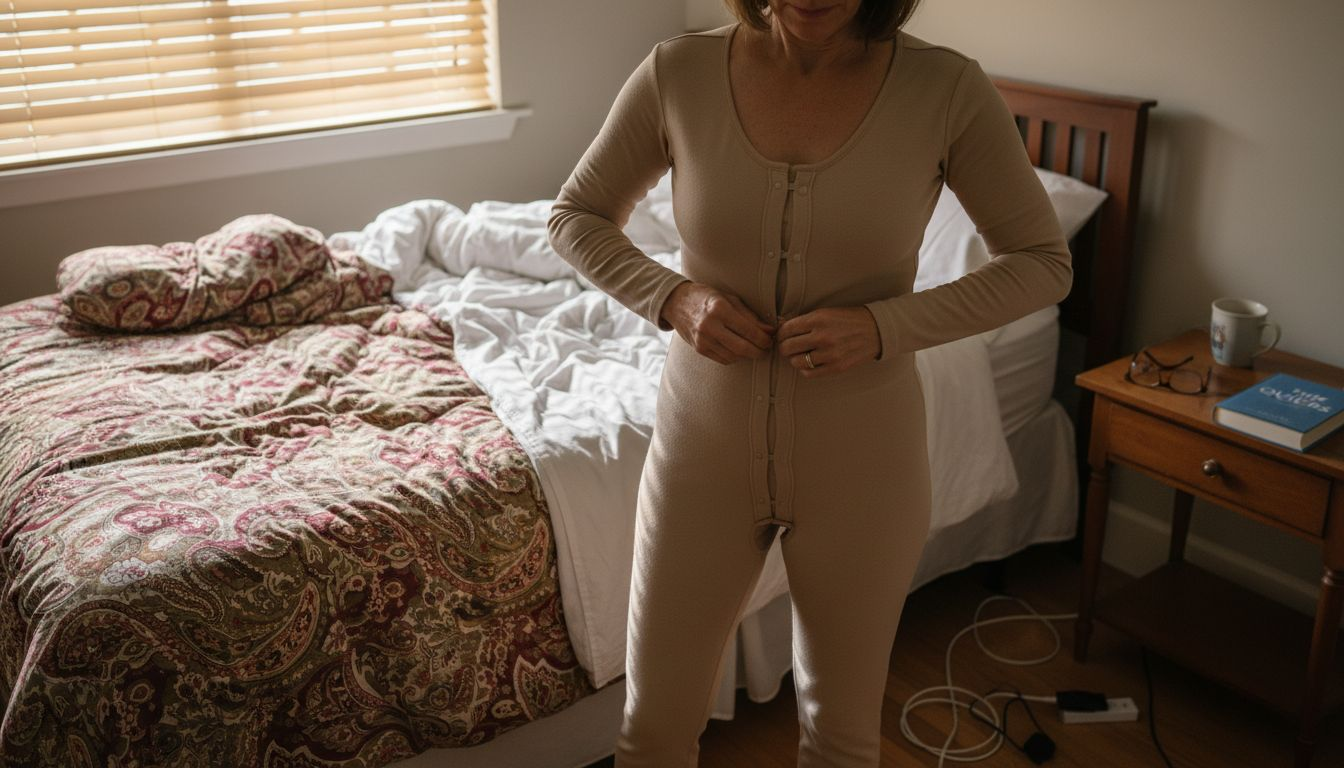
Struggling with shapewear that pinches, pulls, or feels impossible to fasten can take the fun out of dressing up for any occasion. Comfort, confidence, and style should not come with compromise, especially for American women seeking options that work with their bodies, not against them. Adaptive shapewear delivers thoughtful features like magnetic closures, Velcro fasteners, and soft, stretchable fabrics, transforming everyday solutions into empowering wardrobe essentials designed for your unique needs.
Table of Contents
- What Makes Shapewear Adaptive or Inclusive
- Innovative Designs and Key Features Explained
- Different Types of Adaptive Shapewear
- Who Benefits Most From Adaptive Shapewear
- Comparing Adaptive vs. Traditional Shapewear
Key Takeaways
| Point | Details |
|---|---|
| Adaptive Shapewear Enhances Accessibility | Designed for women with varying abilities, it features easy-to-use fasteners like magnetic closures, promoting greater independence. |
| Comfort is Key in Design | Materials focus on breathability and softness to accommodate sensitive skin and provide all-day wear without irritation. |
| Variety of Options Available | Different styles cater to specific needs, such as open-back designs for easier dressing or stretchable fabrics for flexibility. |
| Promotes Confidence without Compromise | Adaptive shapewear combines functionality with style, ensuring women feel both supported and fashionable. |
What Makes Shapewear Adaptive or Inclusive
Adaptive shapewear goes beyond the standard one-size-fits-most approach. It’s designed specifically to meet the needs of women with varying physical abilities, mobility challenges, and sensory sensitivities. Think of it as shapewear that thinks about real bodies and real situations rather than forcing everyone into the same mold.
The core difference comes down to thoughtful design features. Traditional shapewear relies on buttons, zippers, hooks, and complex fastenings that can be difficult or painful for women with arthritis, limited dexterity, or hand strength challenges. Adaptive clothing incorporates innovative design elements like magnetic closures, Velcro strips, and elastic waistbands that make dressing easier without sacrificing style or support. These modifications address three critical areas: comfort, accessibility, and ease of dressing. A woman recovering from shoulder surgery doesn’t need to wrestle with back closures. Someone with sensory sensitivities can choose fabrics and designs that don’t trigger discomfort. Mothers who need quick changes between their own outfit and feeding their baby can find solutions that work with their lifestyle.
Inclusive shapewear also expands beyond traditional size ranges and fits. Adaptive designs recognize that bodies change, abilities fluctuate, and individual needs vary widely. Whether you’re dealing with a temporary mobility issue, managing a chronic condition, or simply prefer easier-to-use garments, adaptive shapewear meets you where you are. The empowerment through adaptive fashion design movement shows that functionality and fashion aren’t mutually exclusive. You get the confidence boost and silhouette support you want without compromising on practicality or having to settle for limited style options.
What matters most is that adaptive shapewear increases independence and quality of life. You’re not modifying yourself to fit the garment. The garment adapts to you. This shift in thinking transforms shapewear from a sometimes-frustrating necessity into a tool that genuinely supports your lifestyle and body.
Pro tip: When shopping for adaptive shapewear, prioritize garments with magnetic closures or side-zip options if you have limited shoulder mobility, and look for soft, breathable fabrics designed for comfort and sensitivity to minimize skin irritation.
Innovative Designs and Key Features Explained
Adaptive shapewear succeeds because it replaces frustrating, outdated fastening systems with practical alternatives that actually work for real bodies. The shift from traditional buttons and zippers to magnetic closures and Velcro straps represents a fundamental rethink of how clothing should function. Magnetic closures snap together easily, even with limited hand strength or dexterity issues. Velcro straps offer adjustability without requiring fine motor control. Side zippers let you slip garments on and off without struggling with back closures or overhead movements. For women dealing with arthritis, recovering from surgery, or managing any condition that affects arm mobility, these changes transform shapewear from a source of frustration into something you can actually wear.
Beyond fasteners, innovative shapewear addresses comfort through thoughtful construction. Stretchy waistbands and stretch fabrics eliminate the rigid squeezing sensation many women experience with traditional shapewear. Tagless designs prevent irritation for those with sensory sensitivities. Flat seams reduce rubbing and discomfort against your skin. Open sides or backs allow easier dressing while maintaining full support where you need it. For wheelchair users, higher backs on certain styles prevent the common problem of seam bunching when seated, ensuring comfort throughout the day without constant adjusting.
These features work together to create a cohesive experience. You’re not choosing between functionality and style anymore. Modern adaptive shapewear blends both seamlessly. The design innovations aren’t visible unless you know to look for them, but you’ll feel the difference immediately. A magnetic closure feels smooth and secure. Stretchy fabrics move with your body rather than against it. Side zippers glide effortlessly. What you notice is that getting dressed takes less effort, causes less pain, and leaves you feeling confident rather than frustrated.
Pro tip: Try on shapewear with the specific fastening type that suits your needs best, and always test the range of motion you actually need for your daily activities to ensure comfort during wear.
Different Types of Adaptive Shapewear
Adaptive shapewear comes in various forms, each designed to address specific needs and body types. Unlike standard shapewear that offers a one-size approach, adaptive options recognize that women have different physical situations, mobility levels, and comfort requirements. The variety available means you can find something that works for your exact circumstances rather than compromising with a generic option.
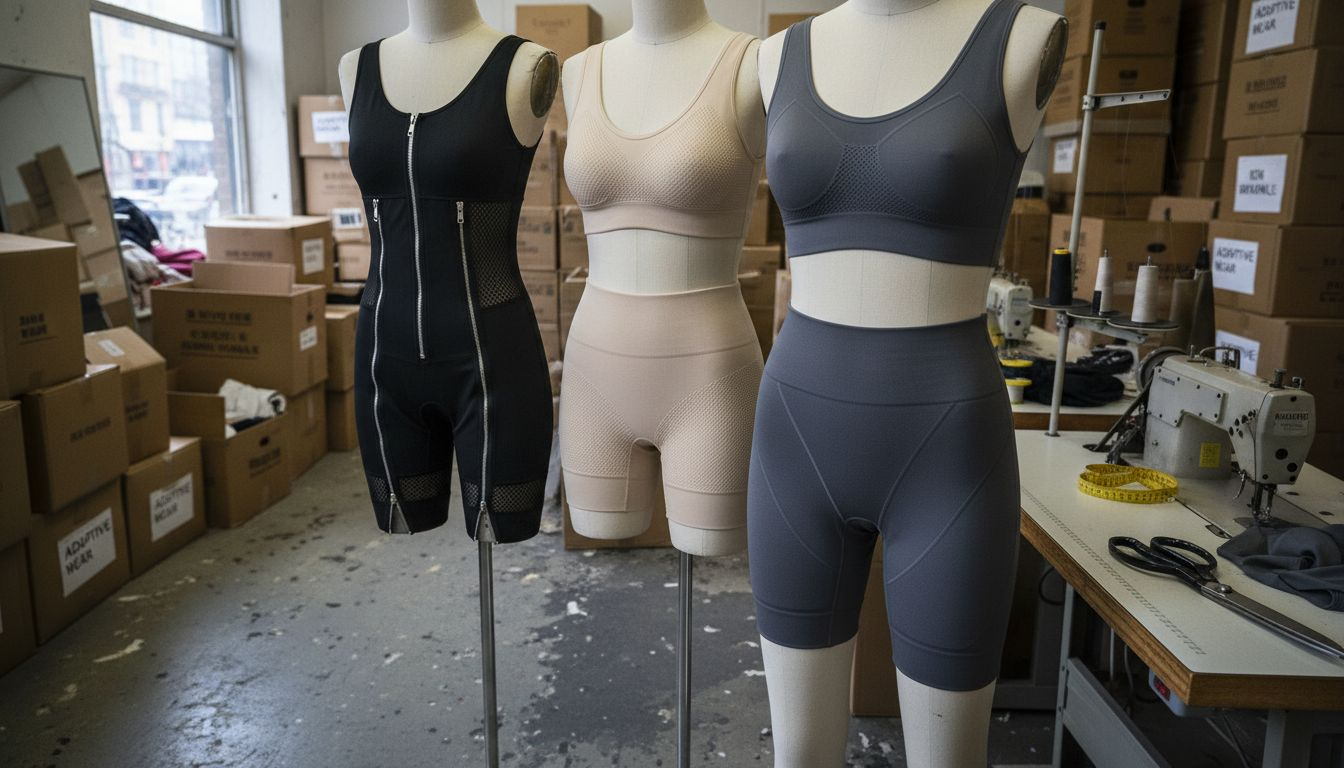
One major category includes magnetic closure bodysuits and shapewear bras. These garments completely eliminate the struggle with traditional clasps and hooks. If you have arthritis, limited hand strength, or recovering movement, magnetic closures open and close with simple pressure. Another popular type features open-back designs that make dressing significantly easier while still providing front and side support where you need confidence and smoothness. For women with medical needs, some adaptive shapewear includes specialized openings for ports or feeding tubes, ensuring you can manage health requirements without removing the entire garment. Sensory-friendly fabrics reduce skin irritation and irritation from seams or tags, making these options ideal if you have sensitive skin or sensory processing challenges.
Stretchable elastic fabrics represent another key type. Rather than the rigid compression of traditional shapewear, these garments use breathable, flexible materials that move with your body and accommodate different seated positions. This matters tremendously if you spend time in a wheelchair or have limited mobility. Some adaptive styles include higher back rises on pants and leggings, specifically designed to prevent uncomfortable bunching when you’re seated for extended periods. These aren’t visible design changes, but they make an enormous practical difference in daily comfort.
There’s also a growing selection of wireless shapewear options that combine comfort with support without the constricting feeling of traditional designs. These work particularly well if you prefer gentler compression or need something that won’t irritate skin during sensitive periods or recovery from surgery.
Pro tip: Identify your primary need first (easier dressing, medical access, sensory sensitivity, or mobility accommodation) and choose the adaptive type that directly addresses that, rather than trying to find a single garment that does everything.
Here’s how adaptive shapewear features address real-life challenges:
| User Need | Traditional Shapewear Drawback | Adaptive Solution |
|---|---|---|
| Limited hand strength | Struggles with hooks and tiny fasteners | Magnetic closures attach easily |
| Sensitive skin | Fabric or seams cause irritation | Tagless, sensory-friendly materials |
| Mobility challenges | Difficult dressing over shoulders or back | Side zippers or open-back designs |
| Wheelchair use | Seams bunch while seated | Higher back rises for comfort |
| Medical access | Full garment removal needed | Specialized openings for ports |
Who Benefits Most From Adaptive Shapewear
Adaptive shapewear isn’t designed for a single narrow group. Instead, it serves women across a wide spectrum of physical situations and life circumstances. The real question isn’t whether you might benefit, but how adaptive shapewear could specifically improve your daily experience. Women with conditions limiting dexterity and mobility like arthritis, muscular dystrophy, multiple sclerosis, and spinal cord injuries find that adaptive designs make getting dressed significantly easier. But the benefits extend far beyond those living with diagnosed conditions.
Older women often experience changes in flexibility, hand strength, and mobility that make traditional shapewear frustrating. Swelling in joints, decreased range of motion, and chronic pain become everyday challenges when clothing fastenings require strength or flexibility you no longer have. Adaptive shapewear eliminates that struggle entirely. Women recovering from surgery benefit tremendously during the healing process when arm movement is limited or painful. New mothers dealing with postpartum body changes and sensitivity often prefer the gentler compression and sensory-friendly fabrics. Women with sensory processing challenges or skin sensitivities find relief in tagless designs and soft seams that don’t trigger irritation or discomfort.
Caregivers represent another group that benefits significantly. When someone you’re caring for struggles to dress independently, the process becomes physically and emotionally taxing for both of you. Adaptive shapewear reduces that strain substantially. A magnetic closure that opens easily makes the entire dressing process quicker and gentler. You’re not wrestling with zippers or clasps while someone else stands waiting. The independence it provides to the wearer also means caregivers can step back from constant assistance, which matters for everyone’s dignity and relationship.
Perhaps most importantly, fashion conscious women aged 25 to 40 benefit from knowing they have options that work for their specific needs. You deserve shapewear that enhances your confidence without forcing you to compromise on comfort or practicality. Whether you’re managing a temporary challenge or a long-term situation, adaptive shapewear meets you with style and functionality.
Pro tip: Start by identifying your biggest pain point with regular shapewear (dressing difficulty, discomfort, sensory irritation, or caregiver burden) and choose an adaptive style that directly solves that specific problem rather than trying one that addresses everything at once.
Comparing Adaptive vs. Traditional Shapewear
The fundamental difference between adaptive and traditional shapewear comes down to purpose. Traditional shapewear prioritizes one goal: creating a smooth, contoured silhouette. It focuses on aesthetics, compression, and the visual transformation your body appears to undergo when wearing it. Adaptive shapewear, by contrast, starts with a different question. Yes, it still provides support and smoothing, but it asks what physical barriers prevent women from accessing shapewear benefits in the first place.
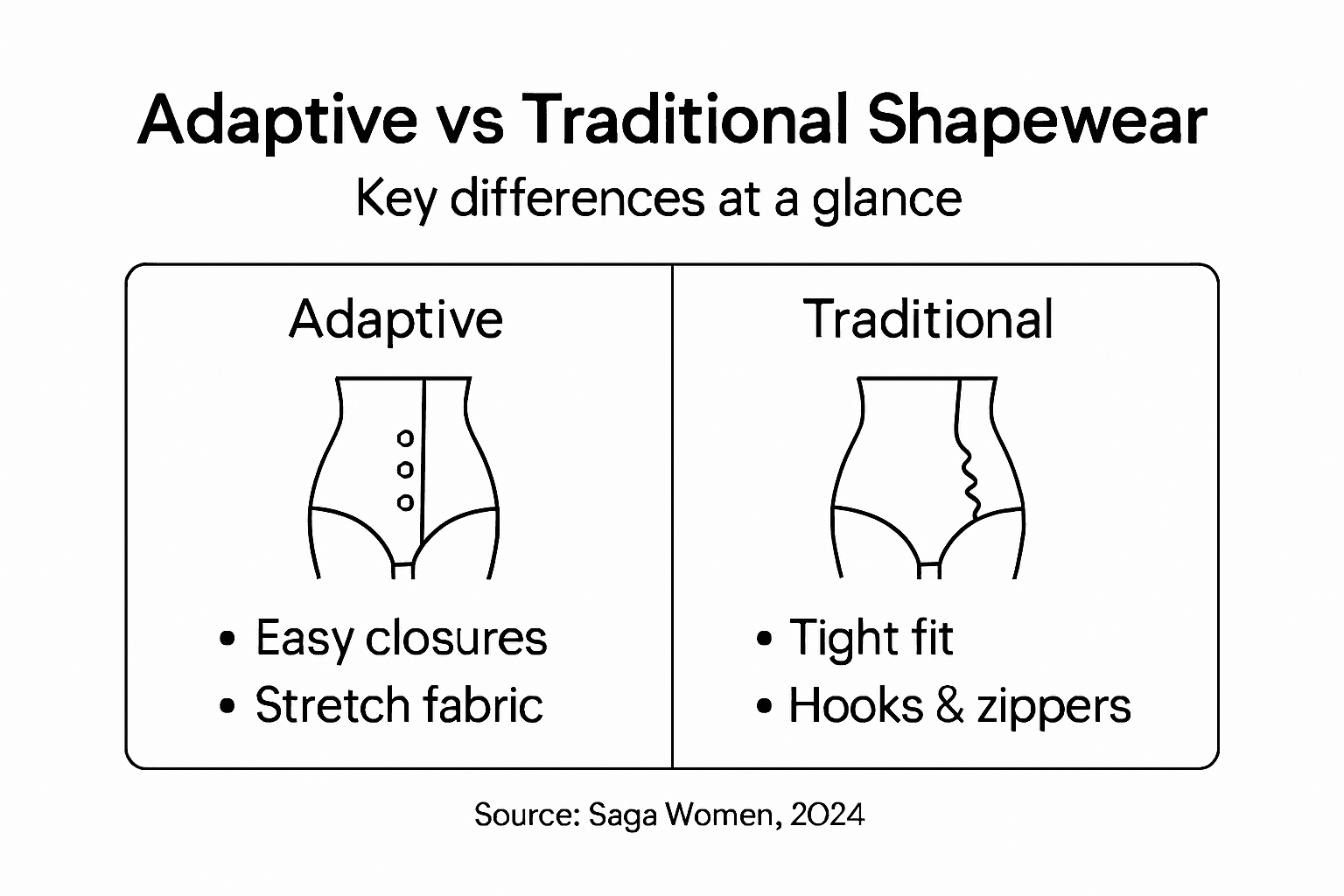
Traditional shapewear relies on features designed for ease of wear when you have full mobility and strength. Back closures with multiple hooks, side zippers that require reaching and pulling, and tight elastic all work fine if your shoulders move freely and your hands have full dexterity. But these same features become obstacles for many women. Adaptive shapewear replaces complex fasteners with magnetic closures and Velcro, eliminates tight elastic in favor of stretch fabrics, and considers how your body sits and moves throughout the day. Where traditional shapewear might bunch uncomfortable when you’re seated in a wheelchair, adaptive designs account for that reality with strategically placed panels and higher back rises.
Comfort priorities also differ significantly. Traditional shapewear aims for maximum compression and smoothness, sometimes sacrificing breathability or skin comfort to achieve that aesthetic goal. Adaptive shapewear balances compression with practical comfort concerns. Sensory-friendly fabrics and functional design elements reduce skin irritation while still providing the support you want. This matters tremendously if you’re wearing shapewear all day, especially if you have sensory sensitivities or skin conditions.
Another key distinction involves independence and dignity. Traditional shapewear assumes you can manage dressing yourself without assistance. Adaptive shapewear recognizes that some women need help and designs accordingly. Magnetic closures are easier for a caregiver to manage. Open-back designs facilitate medical needs. Side zippers allow dressing without removing the entire garment. The result is that adaptive shapewear enhances independence rather than creating frustration, which has profound psychological benefits beyond just looking good.
The bottom line is this. Traditional shapewear works beautifully for many women. But if traditional options create stress, pain, or require assistance to use, you’re not broken. The shapewear just isn’t designed for your specific situation. That’s where adaptive shapewear makes the difference.
Compare the focus and benefits of adaptive vs. traditional shapewear:
| Aspect | Adaptive Shapewear | Traditional Shapewear |
|---|---|---|
| Main Purpose | Accessibility and comfort | Visual shaping and compression |
| Fasteners | Magnetic, Velcro, easy access | Buttons, hooks, tight elastic |
| Comfort Focus | Soft, stretchable fabrics | Often firm, less breathable |
| User Independence | Promotes self-dressing | May require assistance |
Pro tip: If you struggle with traditional shapewear but want body-shaping support, try one adaptive feature at a time (like magnetic closures or stretch fabrics) rather than switching to fully adaptive styles, so you can identify which specific adaptations matter most to your comfort.
Discover Adaptive Shapewear That Works With Your Body and Lifestyle
Struggling with traditional shapewear fasteners or discomfort might be holding you back from feeling your best. Adaptive shapewear solves the challenge of limited mobility, sensitive skin, or difficulty dressing by offering features like magnetic closures, stretch fabrics, and thoughtful designs that prioritize your comfort and independence. If you want smooth shaping without the frustration, explore our range of Seamless Shapewear and supportive Shapewear Bodyshapers crafted to move with real bodies.
Take control of your silhouette today with shapewear made for your unique needs. Shop now at Saga Women to enjoy easy returns, free US shipping, and styles that blend comfort with confidence. Don’t wait to experience shapewear that adapts to you—not the other way around.
Frequently Asked Questions
What is adaptive shapewear?
Adaptive shapewear is clothing designed to meet the needs of women with varying physical abilities and mobility challenges. It features thoughtful design elements that prioritize comfort, accessibility, and ease of dressing.
How does adaptive shapewear differ from traditional shapewear?
Adaptive shapewear focuses on accessibility and comfort, using features like magnetic closures and stretchable fabrics, whereas traditional shapewear emphasizes visual shaping and compression with features like buttons and tight elastic.
Who can benefit from wearing adaptive shapewear?
Adaptive shapewear is beneficial for women with conditions that limit dexterity and mobility, older women experiencing changes in flexibility, new mothers, and individuals with sensory processing challenges or skin sensitivities.
What are the key features to look for in adaptive shapewear?
Look for garments with magnetic closures or side zippers for easier dressing, soft and breathable fabrics to minimize irritation, and designs that accommodate different body types and mobility levels.
Recommended
- Why Shapewear Is Comfortable for Modern Women – Saga Women
- Why Invest in Shapewear: Confidence and Everyday Wear – Saga Women
- What Is Shapewear Collection? Complete Guide for Women – Saga Women
- What Is Shapewear Collection? Complete Guide for Women – Saga Women
- Shop High waist leggings | The Injection Room
- Natural Body Firming Cream – Claribelskincare.com
- Performance-Driven Makeup: Beauty That Heals Sensitive Skin – Pure Light Botanical Beauty

Hinterlasse einen Kommentar
Diese Website ist durch hCaptcha geschützt und es gelten die allgemeinen Geschäftsbedingungen und Datenschutzbestimmungen von hCaptcha.