

Finding the perfect shapewear can feel overwhelming when every brand promises a flawless silhouette, but comfort and results do not always come in the same package. Wearing the wrong type or size of shapewear can lead to discomfort, skin irritation, or even circulation problems, making it hard to feel confident in your favorite outfits.
You deserve both comfort and a smooth look. By understanding your body type, choosing the right compression levels, and knowing how to avoid common mistakes, you can unlock the real benefits of modern shapewear without sacrificing your well-being. Get ready to discover actionable tips that will help you select, style, and care for shapewear so you look and feel your best every time you step out.
Table of Contents
- Choose The Right Shapewear For Your Body Type
- Focus On Targeted Compression Areas
- Layer Shapewear For Maximum Smoothing
- Select Seamless Styles For Invisible Lines
- Maintain Comfort While Shaping Your Silhouette
- Utilize Shapewear For Special Occasions
- Care For Your Shapewear To Prolong Its Life
Quick Summary
| Takeaway | Explanation |
|---|---|
| 1. Choose the right shapewear for your body type | Match your body type with the appropriate style and compression level for optimal fit and comfort. |
| 2. Focus on targeted compression areas | Strategically apply compression to areas that require shaping to enhance your silhouette without discomfort. |
| 3. Select seamless styles for invisible lines | Opt for seamless shapewear to avoid visible lines under tight or clingy fabrics for a smoother appearance. |
| 4. Maintain comfort while shaping | Prioritize comfort by selecting the right size and taking breaks to ensure shapewear feels supportive, not restrictive. |
| 5. Care for your shapewear to prolong its life | Wash and store shapewear properly to maintain its effectiveness and extend its lifespan. |
1. Choose the Right Shapewear for Your Body Type
Finding shapewear that actually works for your body means understanding what you’re working with and what the garment can realistically deliver. The key is matching your body type to the right style and compression level, which creates a smooth, confident silhouette without the discomfort that comes from poor fit.
Your body type determines everything about how shapewear should fit and function. Are you pear-shaped and need more coverage on the hips and thighs? Do you have a straighter frame that needs definition at the waist? Maybe you carry weight in your midsection and want firm control there. These details matter because shapewear works best when it targets the specific areas where you want smoothing. Unlike restrictive Victorian corsets, modern shapewear is designed to temporarily shape your body comfortably and safely, but only if you choose the right size and style for your frame.
Foundation garments come in different compression levels such as light, medium, or firm control, allowing you to match your needs to the right amount of support. Light control is perfect if you want subtle smoothing under fitted clothes or just need a confidence boost. Medium control works well for most occasions and outfit types, providing noticeable smoothing without feeling restrictive. Firm control delivers maximum shaping when you’re wearing something clingy or want dramatic results. The compression level you select should depend on the specific outfit you’re wearing and which body areas matter most to you.
Size accuracy is non-negotiable when selecting shapewear. Choosing the correct size ensures the garment smooths your silhouette without causing health issues like skin irritation, circulation problems, or discomfort. A telltale sign that your shapewear is too tight is when it leaves marks on your skin after wearing it. Those marks mean the compression is restricting blood flow and pressing too hard against your tissues. You want shapewear to feel secure and supportive, not like it’s strangling you. Take time to measure yourself accurately and compare those measurements to the brand’s size chart rather than guessing based on your regular clothing size.
Consider the specific silhouette you’re creating. If you’re wearing a bodycon dress, you might need a full body shaper that smooths from chest to thigh. A pencil skirt calls for targeted hip and thigh control. A loose sweater might only need waist and midsection support. Think about what’s actually visible through your outfit and focus your shapewear strategy there. This targeted approach means you can wear a lighter compression level in areas that don’t show, keeping you comfortable throughout the day.
Your outfit fabric and fit also influence your shapewear choice. Clingy, stretchy materials show everything beneath them, so you need seamless, smooth shapewear that creates an uninterrupted line. Structured fabrics with texture can handle slightly thicker shapewear because the fabric itself creates visual interest. Lightweight layers allow you to wear lighter compression and still get the smoothing effect you want. The relationship between your clothes and your shapewear determines how well the whole look comes together.
Pro tip: Try on shapewear with the actual outfit you plan to wear it with, then sit, walk, and bend to make sure it stays in place and feels comfortable through normal movement, not just standing still.
2. Focus on Targeted Compression Areas
Not every part of your body needs the same amount of shaping support, and that’s where targeted compression becomes your secret weapon. By strategically placing compression where you actually need it, you get the smoothing effect you want without overcompressing areas that don’t require it.
Understanding which areas of your body need attention is the foundation of smart shapewear selection. Some women struggle with a rounded midsection but have naturally slim legs. Others want to minimize their hips and thighs while keeping their upper body unrestricted. Your unique concerns determine where compression should be strongest. Shapewear can target specific body areas such as the waist, thighs, or the entire silhouette from bust to knee, giving you flexibility in how you approach your shaping needs.
The beauty of targeted compression is that it lets you customize your shaping strategy to match your body and your outfit. If you’re wearing a fitted pencil skirt, you might choose shapewear that focuses compression on the hips, thighs, and rear while leaving your bust and shoulders lighter. A clingy sweater dress calls for midrifle and waist control without necessarily needing thigh compression if the hemline falls above your knee. When you’re wearing something sheer or see-through, a full body shaper from bust to knee creates a seamless line everywhere. This precision approach means you’re only compressing what actually shows through your clothes.
Targeted compression also protects your comfort and health. Placing heavy compression everywhere creates unnecessary strain on your body and can lead to circulation problems, skin irritation, and that exhausted feeling by the end of the day. By choosing shapewear that concentrates compression strategically, you maintain comfort in areas that don’t need shaping while getting real results where it matters. This balance is what allows you to wear shapewear throughout your day without counting down the minutes until you can take it off.
Consider the different compression zones and what they accomplish. Waist control creates definition and smooths midsection bulges, perfect for outfits that emphasize your curves or when you want a more hourglass silhouette. Thigh shaping prevents thigh bulging under fitted skirts and dresses while reducing the appearance of cellulite or dimpling. Full body compression from bust to knee works for clingy fabrics or when you want comprehensive smoothing. Hip and rear enhancement lifts and shapes those areas for a more pronounced silhouette. The key is matching the compression zones to what you’re actually wearing and what results you’re seeking.
Your outfit type directly influences which compression areas matter most. Wearing your favorite pair of tailored trousers? Focus on waist and thigh control so nothing bunches or shows through the fitted fabric. Slipping into a loose tunic paired with leggings? You might only need light core support since the tunic hides your midsection anyway. Going sleeveless in a form-fitting dress? Make sure you have compression throughout the torso and down the legs. This logical matching of compression to clothing prevents you from over-restricting areas that don’t need it.
Pro tip: Try moving through your day’s typical activities while wearing shapewear to ensure the compression zones stay in place, don’t roll down, and feel supportive rather than restrictive where you actually need the shaping effect.
3. Layer Shapewear for Maximum Smoothing
Sometimes one layer of shapewear isn’t enough to achieve the smoothing effect you want, especially for special occasions or particularly clingy fabrics. Layering shapewear strategically can amplify your shaping results, but doing it right requires understanding how to balance compression and comfort.
Layering works because different shapewear styles target different body areas and compression levels. A lightweight waist cincher worn under a full-body shaper creates concentrated core control while maintaining overall smoothness. A thigh shaper layered under a high-waisted brief provides targeted leg definition plus midsection support. The key is thinking about which body areas need the most attention and then building your layers to address those specific zones. When you layer thoughtfully, each piece works together to create comprehensive contouring without overkill.
Combining multiple shapewear garments over targeted areas can enhance contouring effects if the fit and compression levels are balanced. This means avoiding the mistake of stacking multiple heavy compression pieces on top of each other, which creates excessive tightness and potential circulation problems. Instead, pair one firm compression piece with a lighter support piece, or combine two medium compression garments that target different areas of your body. The goal is cumulative smoothing, not cumulative constriction.
Consider what you’re actually wearing when deciding if layering makes sense. A sheer dress or a thin fabric that clings to every contour definitely benefits from layering because the visual smoothness compounds. A structured fabric like corduroy or wool can work beautifully with just a single layer because the fabric itself has enough body to hide imperfections. A dress with ruching or texture already provides visual interest that masks irregularities, so layering might be overkill. Match your layering strategy to what your outfit demands.
Practical layering combinations work best when they serve a specific purpose. Wearing a tight dress to an event? Layer a thin bodice shaper over a thigh and hip shaper for full coverage smoothing. Putting on fitted dress pants with a clingy top? Pair a waist cincher with high-waisted brief for targeted control where your clothes actually reveal your body. Trying on a backless dress? Layer a strapless mid-thigh shaper under a front-smoothing brief to handle everything visible. This purposeful approach prevents you from wearing unnecessary layers that just create bulk and discomfort.
The real challenge with layering is knowing when to stop. Adding a third or fourth layer thinking it will create even better results actually backfires. Your skin can only handle so much compression before irritation sets in. Blood circulation gets compromised when too many layers restrict your body. The garments themselves start to bunch, roll, and show under your clothes instead of staying smooth. Medical professionals recommend that wearing shapewear layers for special occasions can be effective but should be limited in duration to maintain comfort and safety. This means layering is fantastic for a special event, but not for everyday wear.
Material composition matters when you’re layering multiple pieces. Smooth, slippery fabrics like nylon and spandex glide over each other without bunching, which is essential when wearing multiple layers. Textured or thick materials can create bulk and visible lines through your clothes. Breathable fabrics become even more important when layering because you’re adding layers of fabric against your skin. Natural fiber blends or mesh panels allow air circulation that keeps you comfortable even with multiple shapewear pieces on.
Pro tip: Layer thinner, lighter compression pieces rather than stacking heavy compression garments, and limit layering to occasions where maximum smoothing is worth the extra effort and heat.
4. Select Seamless Styles for Invisible Lines
Nothing ruins a polished look faster than visible shapewear lines showing through your outfit. Seamless shapewear eliminates those telltale ridges and edges that betray what’s underneath, keeping your silhouette smooth and your secret safe.
Seamless construction works by removing the traditional seams, stitching, and trim edges that create visible lines under clothing. Instead of flat-lock seams that you can feel and sometimes see, seamless pieces use continuous knit construction where the fabric flows without interruption. This technology means there are no hard edges poking through clingy fabrics or creating ridge marks under tight clothes. The result is a truly invisible shaping layer that looks like it’s part of your own skin, not a separate garment.
Seamless shapewear is designed to avoid visible lines under clothing, offering a smooth appearance that works under tight or thin fabrics where visible seams could detract from your overall look. This is why seamless styles are non-negotiable if you’re wearing anything form-fitting, sheer, or made from lightweight material. A thin cotton dress, a silk blouse tucked into pants, or a stretchy jersey fabric all expose regular shapewear instantly. Seamless options keep you looking flawless no matter how revealing your clothing is.
The fabric technology in seamless shapewear matters tremendously. Quality seamless pieces use lightweight, stretchy materials that mold to your body rather than sit on top of it. They avoid bulky trims, thick elastic bands, and textured stitching that can create visible bumps or lines. Modern shapewear options emphasize seamless construction that prevents visible lines while maintaining firm shaping, using advanced textile technology to ensure comfort without compromising shaping capabilities. This means you get real compression and smoothing power without any of the telltale signs that you’re wearing shapewear.
Understanding where lines most commonly show helps you shop smartly. The waistband is often the biggest offender, creating a visible ridge across your midsection if it’s thick or sits in the wrong spot. Leg openings can leave marks on your thighs if they’re not seamless. Seams along the sides and back show through when you’re sitting down or leaning against something. Bust seams become visible under thin, stretchy tops. Seamless designs eliminate all these problem areas by smoothing everything into one continuous surface.
Different outfits demand different seamless solutions. Wearing a fitted pencil skirt in a clingy fabric? A seamless high-waist brief works perfectly because the seamless design leaves absolutely no lines visible. Putting on a form-fitting dress with a thin, stretchy material? A seamless bodice or full-body shaper provides invisible smoothing everywhere. Trying on a sheer top layered over a camisole? Seamless is the only choice if you want to avoid ridge marks showing through. Your outfit determines your seamless shapewear choice.
The invisibility factor builds confidence in ways that regular shapewear can’t match. You’re not constantly thinking about visible lines or worrying that people can see your shapewear. You can move freely, sit comfortably, and enjoy your day without that nagging anxiety about your secret showing. Seamless pieces let you focus on looking fabulous rather than fidgeting with your shapewear all day.
Price and quality in seamless shapewear vary significantly. Budget options might claim to be seamless but use substandard fabric that feels uncomfortable or loses its shape quickly. Higher quality seamless pieces invest in better textile engineering that delivers smooth shaping that lasts through repeated wearing and washing. For the investment you’re making in shapewear, choosing quality seamless construction pays off in longevity and performance.
Pro tip: When shopping for seamless shapewear, run your hands over the entire garment to check for any hidden seams, elastic edges, or rough spots that could show under clothes, and prioritize pieces with seamless leg openings and waistbands.
5. Maintain Comfort While Shaping Your Silhouette
Shapewear should enhance your confidence, not leave you miserable by the end of the day. The truth is that comfort and shaping are not mutually exclusive. When you prioritize comfort alongside your shaping goals, you actually get better results because you’ll wear your shapewear correctly and consistently.
Comfort starts with understanding that shapewear is meant to be worn for limited periods, not all day every day. Your body needs breaks from compression to maintain healthy circulation, breathe properly, and avoid skin irritation. Think of shapewear like makeup for your body. You wear it for special occasions or important events, then remove it to let your skin recover. Choosing the right size, taking breaks, and not wearing shapewear for extended periods contribute to wearing comfort and safety while ensuring that shaping enhances confidence without compromising health.
Proper fit is the foundation of comfort. Shapewear that’s too tight creates numbness, tingling, circulation problems, and those telltale marks on your skin that scream discomfort. Shapewear that’s too loose doesn’t actually shape anything, so you’re sitting there uncomfortable for zero benefit. The right size should feel snug and supportive without feeling like it’s cutting off your circulation or restricting your breathing. You should be able to take a deep breath, sit down, and move without feeling like you’re wearing a straightjacket.
Fabric choice dramatically impacts how comfortable you feel in shapewear. Breathable materials like nylon blends with mesh panels allow air circulation that prevents heat buildup and sweat accumulation. Dense, nonbreathable fabrics trap moisture and body heat, creating an uncomfortable, clammy environment against your skin. Natural fiber blends offer better breathability than purely synthetic options. When you’re shopping, ask yourself whether the fabric would feel comfortable pressed against your skin for the duration of your event.
The design features matter for comfort too. Wide waistbands distribute compression across a larger area rather than digging into one spot. Graduated compression that’s lighter around the edges and firmer in the center provides shaping without that restrictive feeling everywhere. Flat seams feel less irritating than bulky stitching. Open crotch designs let you use the restroom without removing your entire shaper. These small details add up to make your shapewear experience dramatically more comfortable.
Listen to what your body tells you. If you feel numbness, tingling, shortness of breath, or nausea, remove your shapewear immediately. These are signs that compression is too tight or you’ve been wearing it too long. Some people experience acid reflux or nerve compression from overly tight shapewear around the midsection. Some notice skin irritation from sweating under compression garments. Your personal comfort indicators matter more than anyone else’s experience. What works for your best friend might not work for you.
Take strategic breaks during events. If you’re at a wedding, conference, or party, excuse yourself to the restroom periodically and loosen or remove your shapewear for a few minutes. Your circulation will thank you, and you’ll feel refreshed. Even five minutes of relief helps tremendously. You don’t have to wear your shapewear for the entire duration of an event without interruption.
Cleanliness prevents a lot of comfort problems. Frequent cleaning shapewear and avoiding overly tight fits prevents skin irritation and maintains comfort. Sweat and bacteria accumulate in shapewear fabric, so washing it after each wear prevents odor and irritation. Hand washing in cool water with gentle soap is gentler than machine washing. Air drying prevents damage to elastic and compression fibers. Proper care keeps your shapewear fresh and comfortable for many wearings.
Experiment to find what works for your body. Trying various brands helps you find the best fit and comfort level for your specific body type and preferences. Different brands use different fabrics, compression levels, and design features. What feels amazing on one person might feel awful on another. Spend time trying different options to discover which brands and styles feel best on your body. This investment in finding the right fit pays off every single time you wear shapewear.
Pro tip: Pair your shapewear with moisture-wicking underwear underneath to prevent sweat buildup against your skin, and set a timer to remove your shapewear after four to six hours to give your body adequate rest from compression.
6. Utilize Shapewear for Special Occasions
Special occasions are where shapewear truly shines. Weddings, galas, formal dinners, and important events are the perfect moments to use shapewear strategically to boost your confidence and ensure your outfit looks absolutely flawless.
Special occasions call for shapewear because the stakes feel higher. You want to look your absolute best in photos, you’re wearing something formal or fitted, and you want to feel confident from the moment you arrive until the moment you leave. This is when shapewear transforms from a nice-to-have into a game-changing confidence booster. Unlike everyday wear where comfort might lead you to skip shapewear, special occasions justify the extra effort because you’re only wearing it for a few hours.
The key to special occasion shapewear success is preparation. Shapewear should be chosen with care to balance support and comfort during the event, and you should plan ahead rather than scrambling at the last minute. Start thinking about shapewear as soon as you know what you’re wearing. This gives you time to shop, try things on, and figure out what works best with your specific outfit. Last minute shapewear decisions often lead to poor fit, visible lines, or discomfort that distracts you all night.
Formal wear requires specific shapewear strategies. Shapewear for formal wear demands seamless construction, appropriate compression levels, and styles that complement rather than compete with your outfit. A formal gown in clingy fabric needs full-body or bodice shaping that creates a smooth line from your bust to your hips. A fitted cocktail dress might only need targeted waist and hip control. A wedding dress with a structured skirt might need different shapewear than a sleek sheath dress. Your formal wear choice determines your shapewear selection.
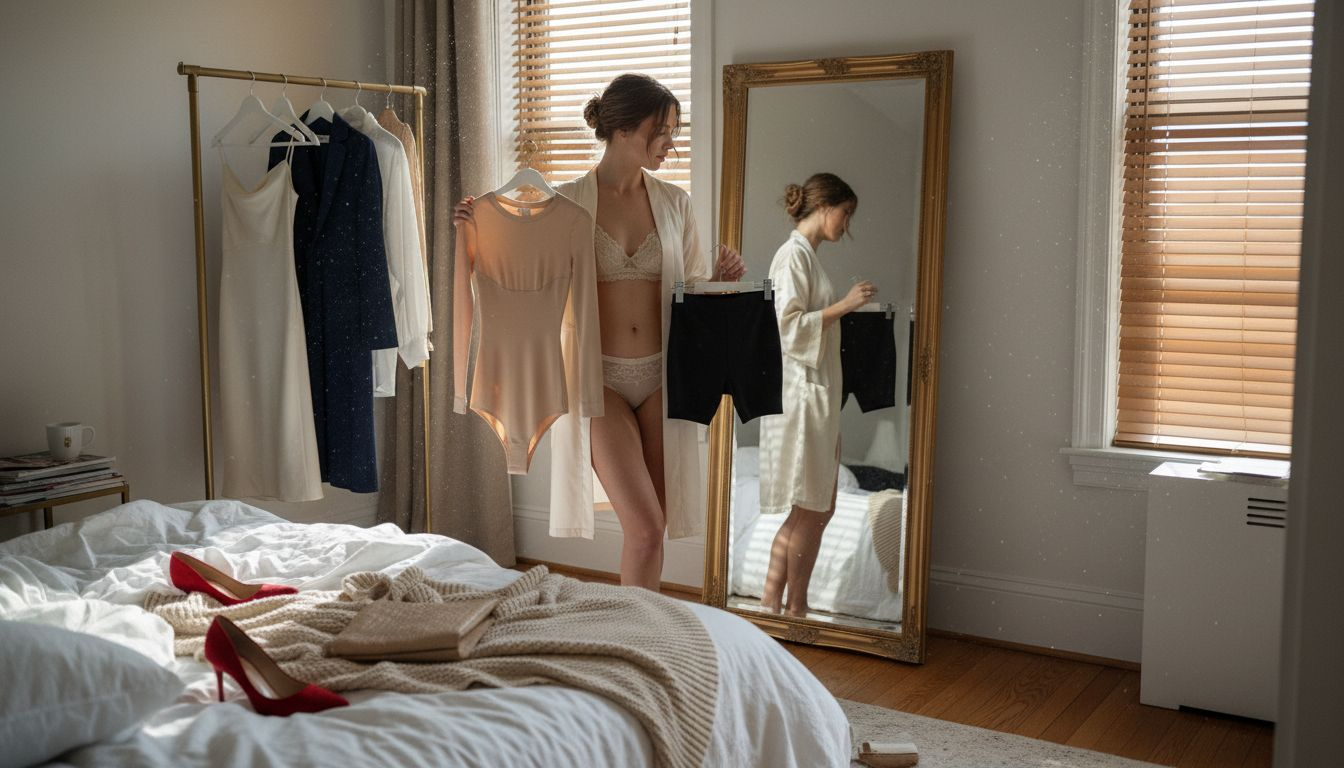
Trying on your entire outfit with shapewear before the event is non-negotiable. This isn’t optional. Put on the shapewear, then the dress, then check the fit in a full-length mirror from multiple angles. Sit down and move around to ensure nothing shifts, rolls, or shows visible lines. Walk up stairs or move naturally to confirm everything stays in place. This rehearsal prevents surprises on event day when you’re already stressed and don’t have time to fix problems.
Different event types call for different shapewear approaches. A wedding where you’ll be dancing most of the night needs flexible, breathable shapewear that won’t restrict your movement. A formal dinner where you’ll mostly be seated and standing can handle firmer compression without as much focus on mobility. A gala where you’re photographed frequently demands absolutely seamless, invisible shaping. A business event requires shapewear that supports you through a long day without making you uncomfortable.
Consider the venue and environment when selecting your shapewear. An indoor formal event where you’ll be in air conditioning can handle different shapewear than an outdoor summer wedding where you’ll be sweating. A cocktail party where you’re moving around the room frequently needs different support than a seated dinner. A photo-heavy event demands invisible shapewear, while a low-key gathering might allow for slightly more visible compression as long as it’s hidden under your clothes.
Timing matters for special occasion shapewear. Put on your shapewear shortly before leaving home, not hours earlier. This prevents you from spending your day uncomfortable while waiting for the actual event. If your event runs long, you might need to excuse yourself and loosen your shapewear for a few minutes of relief. Build in this expectation rather than expecting to wear tight shapewear for eight hours straight without any adjustment.
Color coordination between your shapewear and outfit prevents visible lines or color showing through. Nude shades work under most colors, but nude comes in different tones. Fair skin needs a lighter nude, darker skin needs a deeper nude. White or light colored dresses demand white or very light nude shapewear. Black dresses can use black or nude shapewear. This attention to detail ensures your shapewear stays completely invisible under your outfit.
Post-event care matters too. After your special occasion, remove your shapewear and give your body time to recover. Wash your shapewear gently to keep it fresh for future wear. Don’t immediately jump into another event wearing shapewear. Space out your shapewear use to allow your body breaks between wearing sessions.
Pro tip: Schedule a full dress rehearsal with your shapewear at least one week before your event, wearing the exact outfit, shoes, and accessories you’ll wear that night to catch any fit issues before they become emergency problems.
7. Care for Your Shapewear to Prolong Its Life
Your shapewear is an investment in your confidence, and proper care ensures it stays looking and feeling great for years. Just like you wouldn’t throw your favorite dress in the washing machine on hot, shapewear requires thoughtful treatment to maintain its compression, elasticity, and appearance.
Understood properly, shapewear care is straightforward and doesn’t require special or expensive products. The basics involve gentle washing, avoiding high heat, and storing your garments properly. When you approach shapewear care with the same respect you give your delicate clothing, your pieces will maintain their shape and function much longer than if you toss them around carelessly. This extends the life of your investment significantly.
Proper care of shapewear includes frequent laundering to avoid skin irritation caused by trapped sweat and bacteria, making regular washing a health priority as well as a durability one. Wearing your shapewear and not washing it immediately allows sweat, body oils, and bacteria to accumulate in the fabric. This creates odor, discoloration, and material breakdown over time. The more frequently you wash your shapewear, the longer it lasts because you’re preventing damage from bacterial growth and material degradation.
Hand washing is the gold standard for shapewear care. Fill a sink or basin with cool or lukewarm water and add a small amount of gentle, mild detergent. Submerge your shapewear and gently agitate the water for a few minutes, paying special attention to areas that contact your skin directly. Rinse thoroughly under cool running water until all soap is gone. This gentle approach prevents stress on elastic and spandex fibers that can happen in a washing machine.
If you must use a machine, select the gentlest cycle available. Use cool water, not warm or hot. Hot water breaks down elastic fibers and causes permanent loss of compression. Wash with similar colors in a mesh laundry bag to provide extra protection. Never use bleach or fabric softener, which both damage the compression fibers and reduce the garment’s effectiveness.
Drying requires the same gentle approach as washing. Air drying is non-negotiable for shapewear. Never use a dryer, which applies heat that permanently damages elastic and spandex. Instead, gently squeeze excess water from your shapewear without wringing or twisting. Lay it flat on a clean towel or hang it in a well-ventilated area away from direct sunlight. Direct sunlight can fade colors and weaken fibers over time. Be patient and allow adequate drying time before wearing again.
Storage matters more than people realize. Store your clean, dry shapewear flat or loosely folded in a drawer away from direct light and heat sources. Don’t hang shapewear on hangers for extended periods because the weight stretches the fibers and changes the fit. Keep shapewear separate from rough fabrics that can snag delicate materials. Store in a cool, dry place, not in a damp bathroom or hot closet where moisture and heat damage the compression fibers.
Following washing instructions and avoiding harsh chemicals and high heat helps preserve fabric elasticity and fit while maintaining the garment’s compression and durability over time. Read the care label on your specific shapewear because different brands and styles might have slightly different recommendations. Some pieces might specify hand washing only, while others allow gentle machine washing. Follow these instructions precisely to avoid voiding any warranty or causing preventable damage.
Rotate between multiple pieces of shapewear if you wear it frequently. Wearing the same shapewear day after day without breaks stresses the fibers constantly. By rotating between two or three pieces, you give each one recovery time between wearings. This extends the overall lifespan of your collection significantly. It’s worth investing in multiple pieces that you rotate rather than relying solely on one piece.
Repair small issues before they become big problems. A loose seam can be hand-stitched quickly. A small snag might be carefully trimmed. Address these issues promptly rather than letting them worsen. Treating your shapewear with care from the moment you purchase it sets the tone for how long it remains functional and beautiful.
Pro tip: Wash your shapewear after every single wear in cool water with mild detergent, air dry it flat, and store it folded rather than hanging to prevent elastic degradation and maintain compression effectiveness for years.
Below is a comprehensive table summarizing the main guidelines and insights on choosing and using shapewear effectively, as outlined in the article.
| Aspect of Selection | Description | Key Considerations |
|---|---|---|
| Body Type Suitability | Match shapewear type to your body shape for optimal results. | Identify target areas for shaping and smoothing. |
| Compression Levels | Available in light, medium, and firm for varying amounts of support. | Choose the appropriate level based on your outfit’s requirements. |
| Proper Sizing | Ensure shapewear fits accurately to avoid discomfort or health issues. | Measure and consult the brand’s size chart before purchasing. |
| Targeted Compression | Direct support to specific body areas needing shaping or enhancement. | Helps maintain comfort while achieving desired results. |
| Layering Techniques | Combine multiple shapewear pieces for added smoothing if needed. | Avoid over-compression to ensure comfort and safety. |
| Seamless Designs | Opt for shapewear without visible seams for a flawless look. | Ideal for tight, form-fitting, or lightweight clothing. |
| Comfort Maintenance | Prioritize shapewear that allows ease of movement and breathability. | Use breathable fabrics and take breaks for prolonged use. |
| Event-Specific Use | Shapewear is ideal for formal or special occasions enhancing outfits. | Match shapewear to the event’s attire and context. |
| Proper Care | Clean and store shapewear carefully to maintain its longevity. | Hand-wash in cool water and air-dry to retain elasticity. |
Elevate Your Confidence with Perfectly Fitted Shapewear
Struggling to find shapewear that balances comfort and flawless shaping? This article highlights the importance of choosing the right shapewear tailored to your body type and outfit for seamless results. If you want to smooth targeted areas without discomfort or visible lines, exploring high-quality bodyshapers is the first step in your transformation.
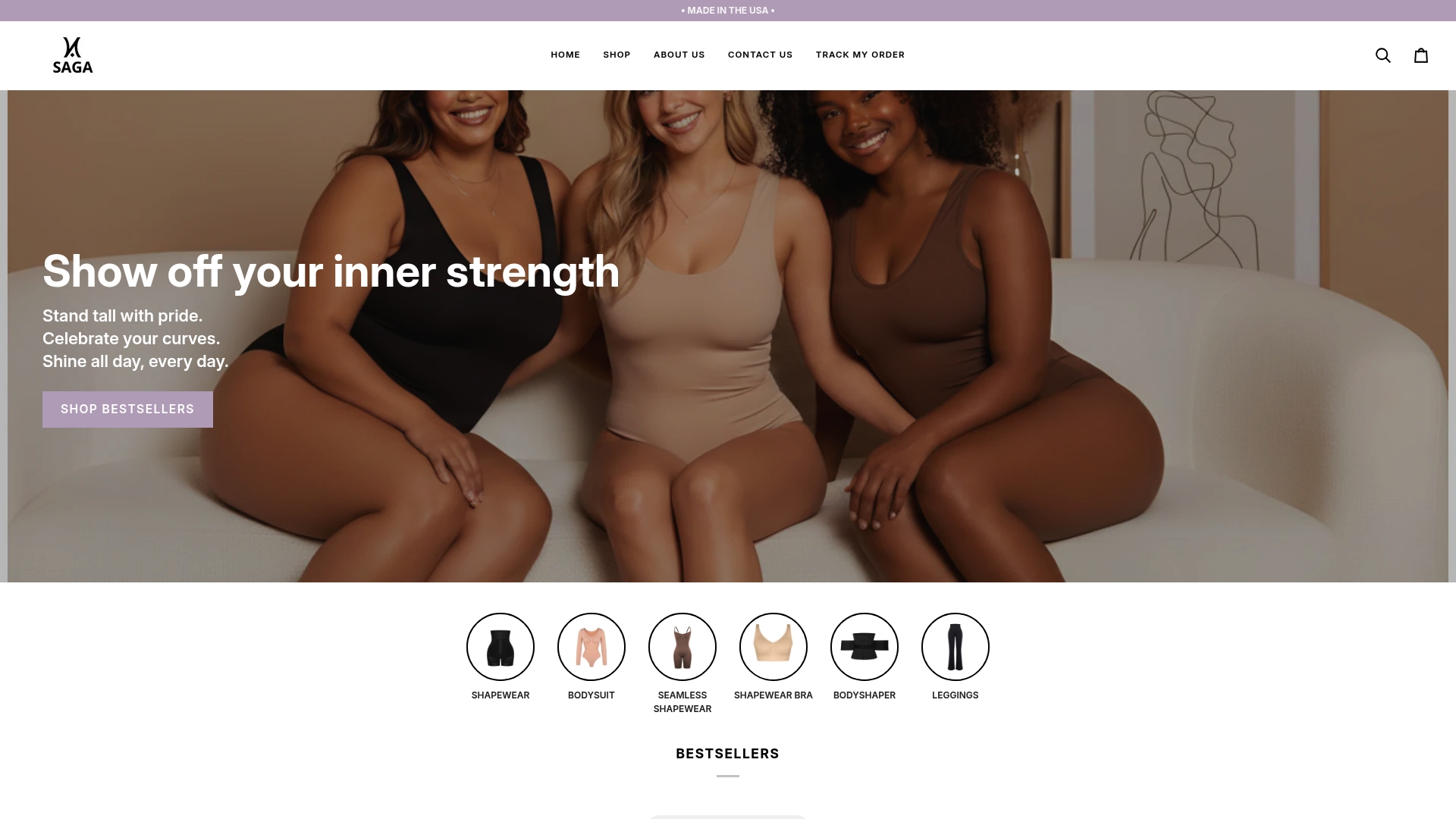
Discover a curated collection of slimming garments designed to enhance your silhouette while prioritizing comfort at Saga Women. Whether you need firm waist control, full-body smoothing, or seamless styles for special occasions, our Shapewear Bodyshaper – Saga Women collection offers options that fit your unique needs. Shop now to experience shapewear that moves with you and boosts your confidence from morning to night.
Frequently Asked Questions
How do I choose the right shapewear for my body type?
Choosing the right shapewear starts by understanding your body type and the compression level you need. Measure yourself accurately and refer to the size chart to find a fit that smooths your silhouette without discomfort.
What areas should I focus on for targeted compression?
Focus your shapewear on the areas that need the most shaping, such as your waist and hips or midsection. Evaluate your outfit to determine where compression will enhance your silhouette and comfort, customizing your choice accordingly.
Is it okay to layer shapewear for better results?
Yes, layering shapewear can enhance your smoothing effect when done correctly. Combine lighter compression garments with a firmer piece targeting key areas for a comfortable, flattering look.
How can I ensure my shapewear remains invisible under my clothes?
To keep shapewear invisible, choose seamless styles that eliminate visible lines and ridges. Select garments that conform to your body and match the fabric of your outfit for the best results.
What is the best way to care for my shapewear to prolong its life?
Care for your shapewear by hand washing it in cool water with mild detergent and air drying it. Store shapewear flat to maintain its shape and compression, preventing damage over time.
When should I wear shapewear for special occasions?
Wear shapewear for special occasions when you have fitted or formal outfits that require extra smoothing for confidence. Try your shapewear with the complete outfit before the event to ensure everything fits properly and stays in place.
Recommended
- 7 Types of Shapewear Every Woman Should Know About – Saga Women
- 7 Types of Shapewear Every Woman Should Know About – Saga Women
- 7 Types of Shapewear Every Woman Should Know About – Saga Women
- 7 Types of Shapewear Every Woman Should Know About – Saga Women
- 7 Effective Plant Based Skincare Examples for Healthier Skin
- 8 Makeup Essentials List Every Woman 40+ Needs to Know – Luméra Cosmetica
- 7 Essential Curly Hair Routine Products for Healthy Curls | MyHair


Hinterlasse einen Kommentar
Diese Website ist durch hCaptcha geschützt und es gelten die allgemeinen Geschäftsbedingungen und Datenschutzbestimmungen von hCaptcha.