
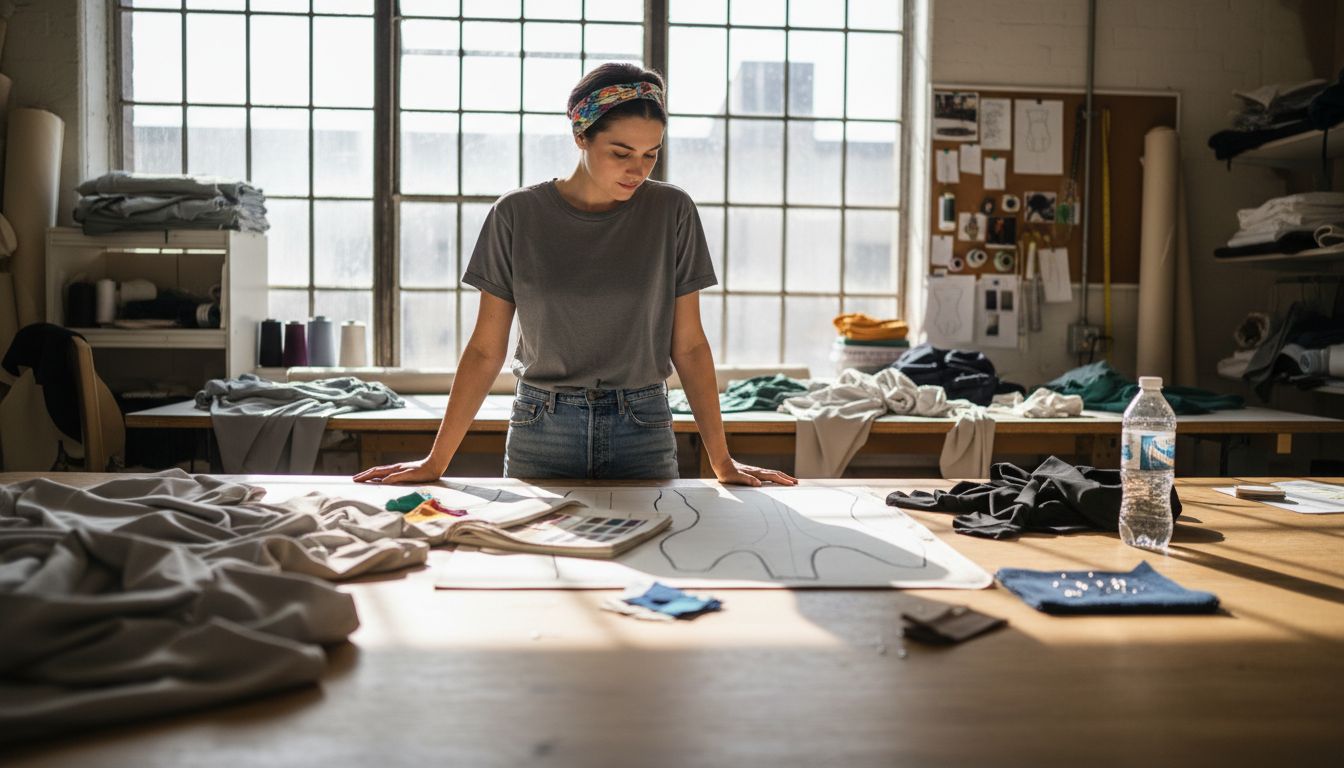
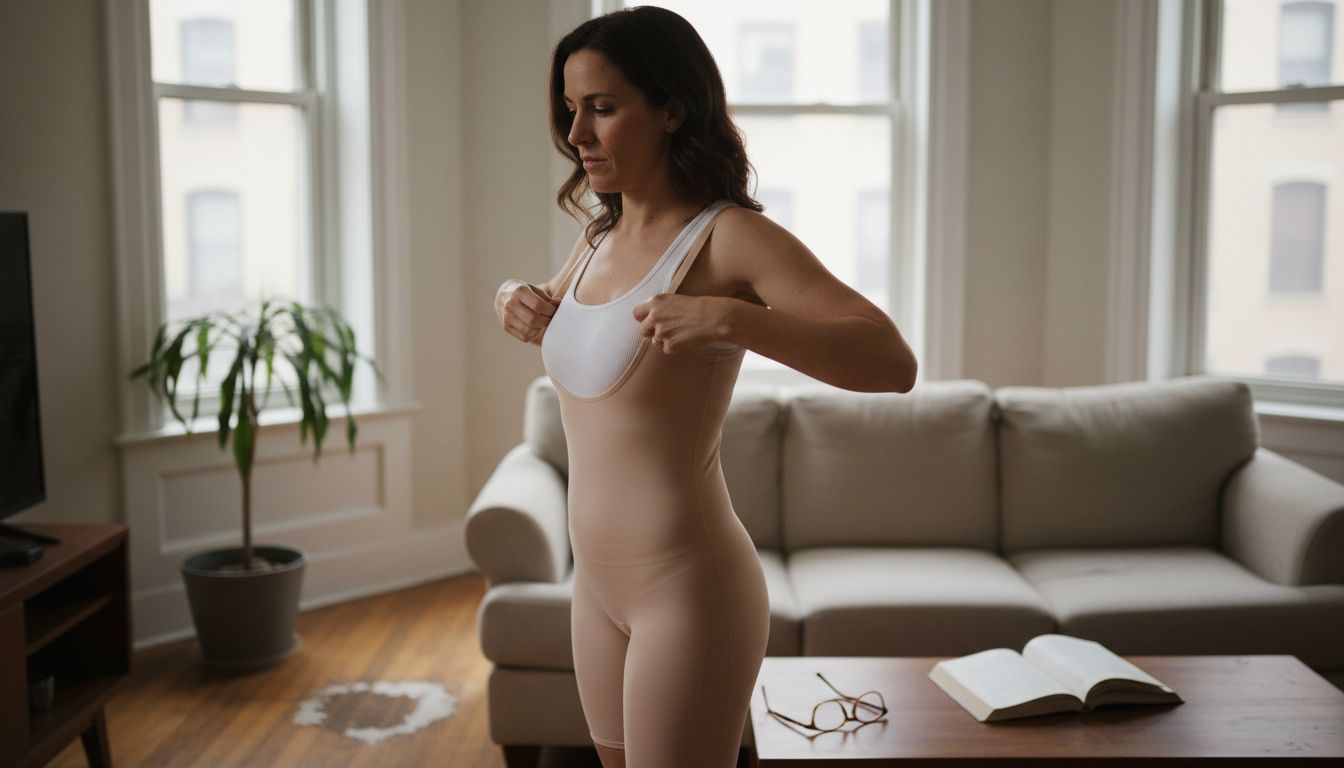
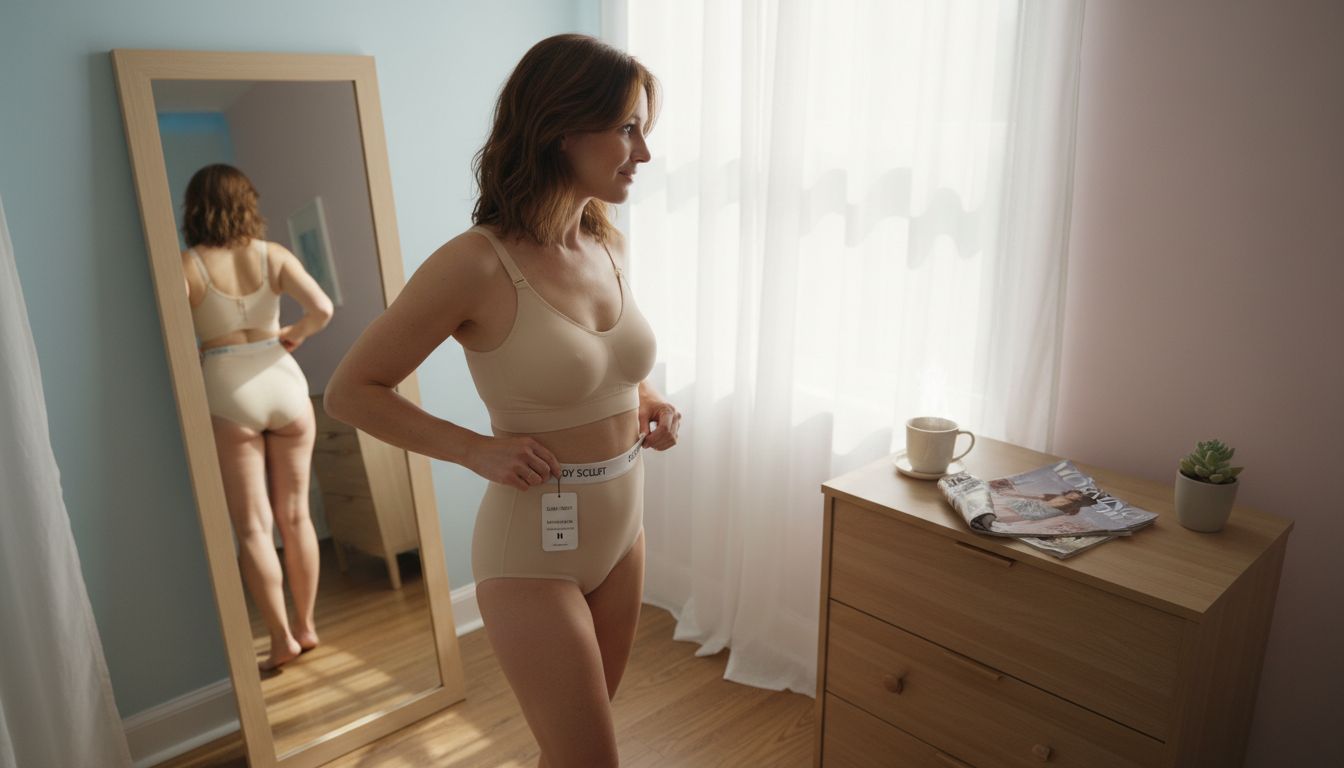
Most American women are surprised to discover how much fabric choice shapes the comfort and support of their favorite shapewear. Fabric technology has rapidly changed the game, offering advanced materials that balance compression, breathability, and a barely-there feel. Understanding the unique performance of each textile can help you find shapewear that feels amazing and works for your specific needs. This guide reveals what truly sets today’s shapewear fabrics apart from the rest.
Table of Contents
- Shapewear Fabrics Explained: Purpose and Performance
- Top Fabrics Used in Modern Shapewear
- Comparing Comfort, Support, and Breathability
- Moisture-Wicking and Skin-Friendly Materials
- Selecting Shapewear Fabrics for Your Body Type
Key Takeaways
| Point | Details |
|---|---|
| Fabric Selection is Critical | The choice of fabric significantly influences shapewear’s comfort, support, and performance. Understanding fabric properties helps in identifying the best options for individual needs. |
| Emphasis on Performance | Modern shapewear utilizes advanced materials that provide moisture-wicking, breathability, and targeted compression to enhance wearability and body contouring. |
| Personalized Fit is Essential | Different body types require tailored fabric solutions for optimal support and comfort. Selecting the right material enhances the overall experience and fit of shapewear garments. |
| Evolution of Technology | Continuous advancements in textile engineering are shaping the future of shapewear, focusing on combining aesthetic appeal with functional performance to meet consumer demands. |
Shapewear Fabrics Explained: Purpose and Performance
Understanding shapewear fabrics is crucial for achieving the perfect blend of comfort, support, and style. Different materials offer unique performance characteristics that can dramatically enhance body contouring and wearability. Modern shapewear has evolved far beyond simple compression garments, with innovative textile technologies transforming how women experience body-shaping solutions.
Research reveals that strategic fabric selection plays a pivotal role in shapewear performance. Advanced materials now integrate multiple functional properties, balancing compression, breathability, and flexibility. Elastane, nylon, and polyamide are primary fabrics that provide essential stretch and recovery, allowing shapewear to mold seamlessly to different body types while maintaining structural integrity.
The scientific approach to shapewear design goes beyond aesthetic considerations. A groundbreaking study demonstrated how soft material structures can enhance posture through intelligent textile engineering. This means modern shapewear isn’t just about creating smooth silhouettes - it’s about supporting body mechanics and providing ergonomic benefits.
Key fabric characteristics that determine shapewear quality include:
- Moisture-wicking properties for comfort
- Compression level and targeted support
- Breathability to prevent overheating
- Durability and fabric recovery
Consumers now seek shapewear that feels like a second skin - flexible, comfortable, and almost imperceptible under clothing. The future of shapewear lies in continuous technological innovation, where performance fabrics meet personalized body sculpting solutions.
Top Fabrics Used in Modern Shapewear
Today’s shapewear represents a sophisticated intersection of textile engineering and fashion design, with carefully selected fabrics that provide ultimate comfort and body-shaping performance. Modern women demand more than simple compression garments - they seek intelligent materials that adapt to their body’s unique contours while delivering exceptional support and style.
Performance Jersey fabrics represent a cutting-edge solution in shapewear technology. This innovative polyester-spandex blend offers remarkable breathability and moisture-wicking properties, ensuring women remain comfortable throughout the day. The fabric’s advanced engineering allows for targeted compression without sacrificing flexibility, making it ideal for creating seamless, second-skin shapewear experiences.
When examining plus-size shapewear materials, nylon emerges as a standout fabric choice. Its exceptional elasticity and durability make it perfect for creating garments that provide consistent support across diverse body types. Nylon’s inherent strength allows shapewear to maintain its shape and compression properties, even after repeated wear and washing.
Key fabric characteristics in modern shapewear include:
- Elasticity for body-contouring performance
- Breathability to prevent overheating
- Moisture-wicking capabilities
- Durability for long-lasting wear
- Seamless construction for invisible layering
The future of shapewear lies in continuously evolving fabric technologies that prioritize both functional performance and aesthetic appeal. By combining advanced materials with thoughtful design, manufacturers are creating garments that empower women to feel confident, comfortable, and beautifully supported.
Comparing Comfort, Support, and Breathability
Shapewear performance is a delicate balance between three critical elements: comfort, support, and breathability. Modern women seek garments that not only sculpt their silhouette but also provide a seamless, comfortable experience throughout the day. The right fabric can make the difference between a transformative shapewear piece and an uncomfortable, restrictive garment.
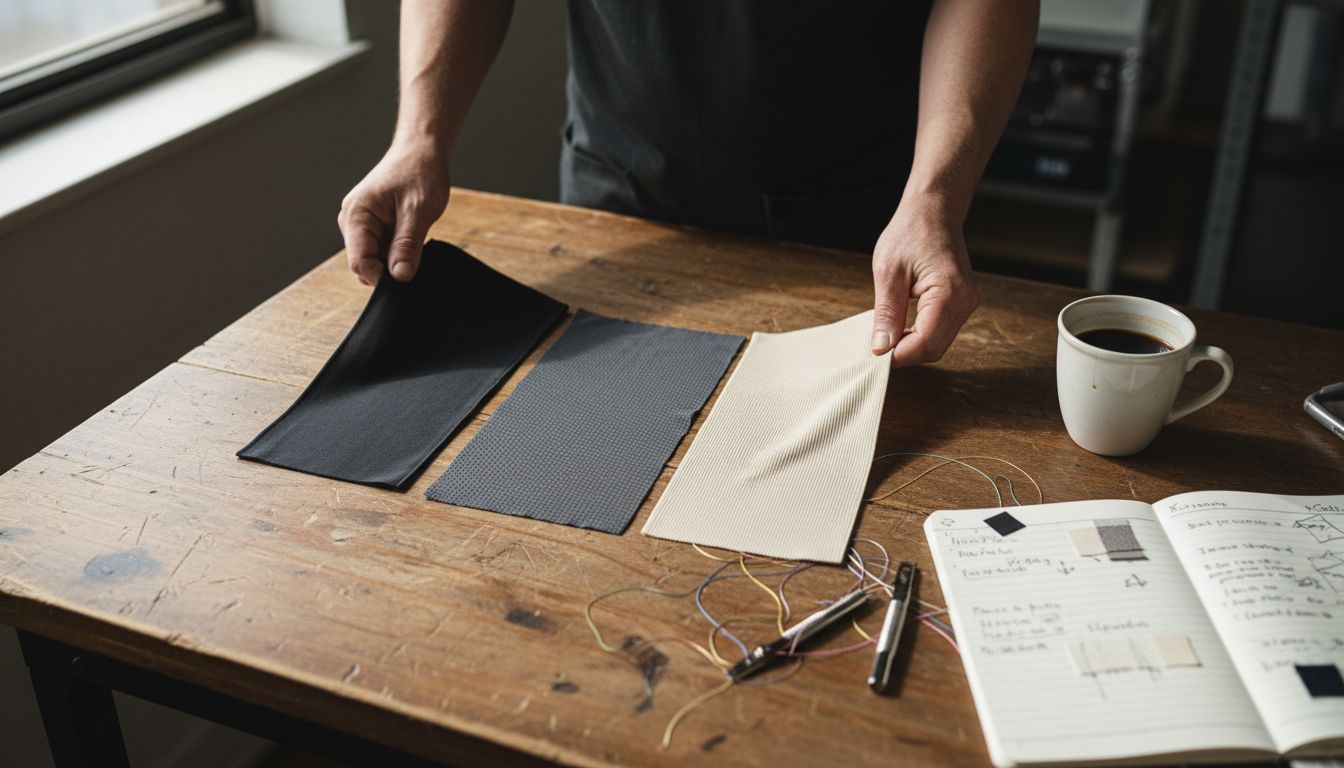
Athletic performance fabric research highlights the crucial role of moisture management in maintaining wearer comfort. Innovative textile technologies now focus on creating fabrics that actively regulate body temperature and wick away moisture, ensuring that shapewear remains breathable and comfortable even during extended wear. This approach prevents the uncomfortable clinginess and heat retention that traditional shapewear often suffered from.
Advanced elastic polyester technologies have revolutionized support mechanisms in shapewear. By incorporating sophisticated mechanical properties, these fabrics provide targeted compression that adapts to body movement. The key is creating a garment that offers firm support without feeling restrictive, allowing women to move naturally and confidently throughout their day.
Key performance criteria for ideal shapewear include:
- Compression levels that provide support without constriction
- Moisture-wicking capabilities to prevent skin irritation
- Thermal regulation for consistent comfort
- Stretch recovery to maintain shape and effectiveness
- Seamless construction to prevent visible lines
Ultimately, the best shapewear feels like a second skin - supporting and enhancing natural body contours while providing unparalleled comfort and confidence. As textile technologies continue to evolve, women can expect increasingly sophisticated solutions that prioritize both performance and personal comfort.
Moisture-Wicking and Skin-Friendly Materials
In the world of shapewear, comfort begins with intelligent fabric selection that prioritizes skin health and moisture management. Modern women demand garments that not only shape their silhouette but also protect and nurture their skin throughout the day, creating a seamless and comfortable wearing experience.
Fabric development research reveals groundbreaking insights into materials that function as responsive sensors, actively managing moisture and ensuring optimal skin compatibility. Advanced textile technologies now incorporate microfiber structures that efficiently transfer moisture away from the skin, preventing irritation and maintaining a cool, dry environment. These innovative fabrics go beyond traditional moisture-wicking approaches, creating a dynamic interaction between the garment and the wearer’s body.
Environmental exposure studies demonstrate the critical importance of selecting polyester materials that maintain performance under varying conditions. The ideal shapewear fabric must withstand temperature fluctuations while preserving its moisture management capabilities, ensuring consistent comfort whether you’re sitting in an air-conditioned office or navigating a warm afternoon.
Key characteristics of skin-friendly shapewear materials include:
- Rapid moisture transfer to keep skin dry
- Breathable microfiber construction
- Hypoallergenic fabric compositions
- Smooth texture to minimize friction
- Temperature-regulating properties
The future of shapewear lies in creating garments that feel like a second skin - intelligent, responsive, and fundamentally designed to support women’s comfort and confidence in every movement.
Selecting Shapewear Fabrics for Your Body Type
Choosing the right shapewear fabric is not a one-size-fits-all solution. Every woman’s body is unique, and the ideal shapewear material should adapt to individual contours, providing targeted support and unparalleled comfort. Understanding your body type is the first step in selecting a fabric that enhances your natural silhouette.
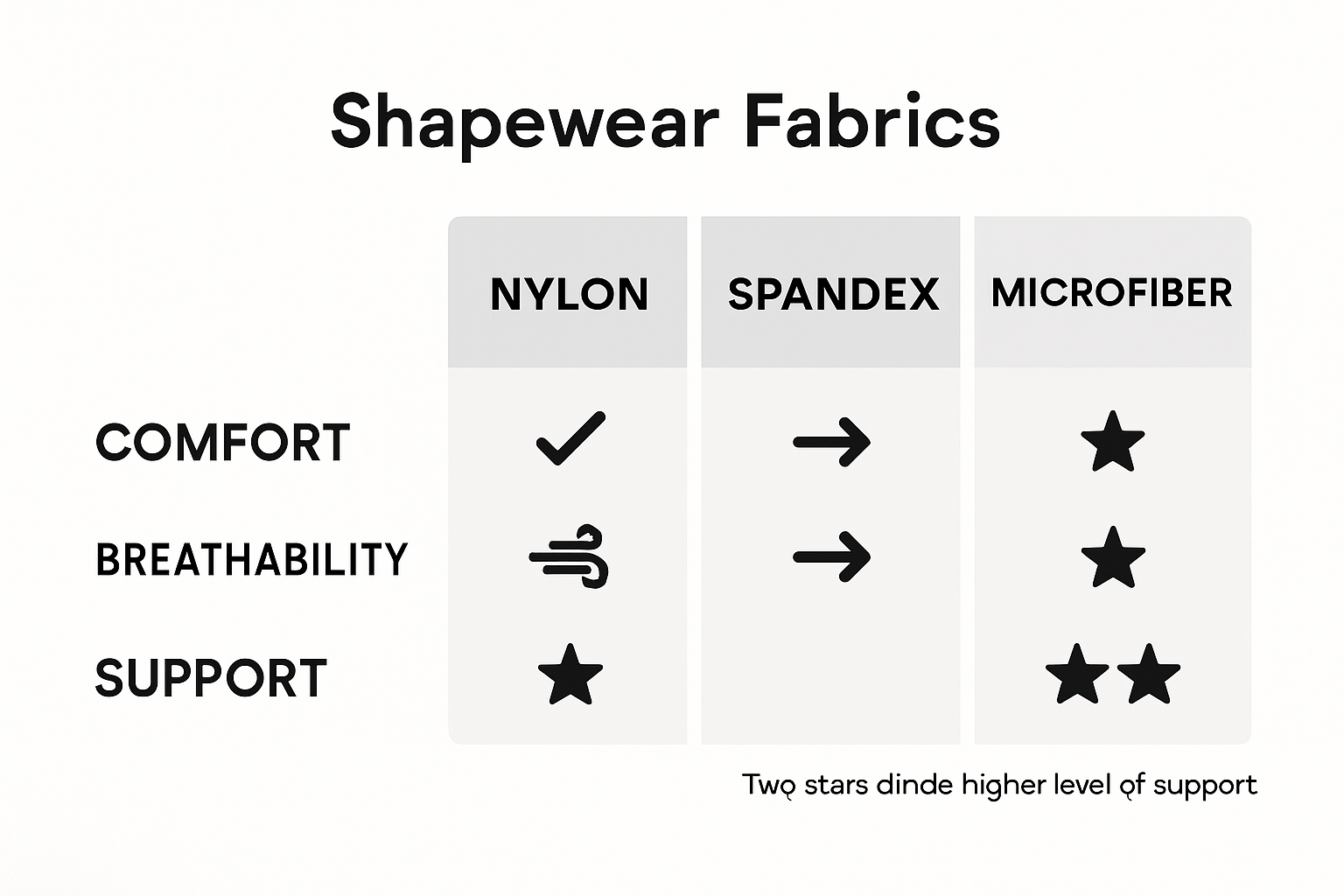
Plus-size shapewear research reveals that garment construction and textile properties play a critical role in achieving optimal body shaping. Different body types require nuanced fabric approaches - from strategically placed compression zones to materials that offer varying levels of stretch and support. Lightweight, high-elasticity fabrics work best for women seeking smooth lines, while more structured materials provide enhanced definition for those desiring more dramatic contouring.
Outfit compatibility studies demonstrate how fabric selection dramatically impacts clothing performance. The right shapewear material can transform how an outfit drapes, moves, and feels against your skin. Factors like fabric weight, stretch recovery, and breathability become crucial when matching shapewear to specific clothing styles and personal comfort preferences.
Body type fabric selection guidelines:
- Hourglass figures: Flexible, medium-compression fabrics
- Pear-shaped bodies: Targeted compression with smooth edge finishes
- Apple-shaped silhouettes: Breathable materials with strategic support panels
- Athletic builds: High-stretch fabrics with minimal seam construction
- Curvy frames: Durable materials with multi-zone compression
Ultimately, the perfect shapewear fabric is a personal journey of understanding your body, your comfort needs, and the specific outfits you want to enhance. By prioritizing intelligent fabric selection, you can create a foundation of confidence that celebrates your unique shape.
Discover Shapewear That Delivers Comfort, Support, and Style
Finding shapewear that perfectly balances comfort with effective support is a challenge many women face. The article highlights key pain points such as moisture-wicking, breathability, and the importance of fabric elasticity to create a garment that feels like a second skin. At Saga Women, we understand these needs deeply and offer a carefully curated collection designed to enhance your silhouette without sacrificing comfort or style.
Explore our range of Seamless Shapewear for smooth, breathable fabrics that move with you effortlessly. If you seek targeted shaping and firm support, our Shapewear Bodyshapers combine advanced fabric technologies to adapt to your unique contours.
Take control of your confidence today with shapewear that works as hard as you do. Visit Saga Women to find your perfect fit and enjoy complimentary US shipping alongside a 30-day easy return policy. Start shaping your style now and feel the difference comfort and innovation can make.
Frequently Asked Questions
What fabrics are best for shapewear?
The best fabrics for shapewear typically include elastane, nylon, and polyamide. These materials offer essential stretch and recovery, helping the shapewear mold to the body while maintaining its structure.
How does moisture-wicking technology enhance shapewear comfort?
Moisture-wicking technology in shapewear helps manage sweat and moisture, keeping the skin dry and comfortable. This is particularly important for all-day wear, as it prevents irritation and overheating.
What is the importance of breathability in shapewear fabrics?
Breathability in shapewear fabrics is essential for comfort. It allows air circulation, which helps regulate body temperature and reduces the risk of overheating during extended wear.
How can I choose shapewear fabrics based on my body type?
To choose shapewear fabrics based on your body type, consider factors like compression level and elasticity. For example, hourglass figures may benefit from flexible, medium-compression fabrics, while pear-shaped bodies might need targeted compression for smooth edge finishes.
Recommended
- 7 Key Benefits of Seamless Shapewear for Women’s Confidence – Saga Women
- Top 7 Waist Cinchers Comparison – Expert Comparison 2025 – Saga Women
- 7 Ways Shapewear Boosts Confidence in Everyday Life – Saga Women
- What Is Fashion Shapewear and Why It Matters – Saga Women
- What Makes a Great T-Shirt? A Deep Look Into Fabric, Fit & Feel – Custom T-Shirts and Printed Merch in Utah | Pulse Merch

Hinterlasse einen Kommentar
Diese Website ist durch hCaptcha geschützt und es gelten die allgemeinen Geschäftsbedingungen und Datenschutzbestimmungen von hCaptcha.