

Choosing the right shapewear can feel overwhelming when you want smooth lines and comfort but worry about pinching, rolling, or visible seams under your clothes. The smallest mistake in measuring or style selection can turn your outfit from polished to awkward in seconds. Getting it right means understanding how to measure your body and evaluate each aspect of comfort and fit before you buy.
You deserve shapewear that moves with you, feels great all day, and makes every outfit look flawless. This guide highlights practical steps that take the guesswork out of the fitting process. You will discover how to find a piece that supports your body without irritation and matches your wardrobe perfectly.
Get ready to learn the smart strategies that make shopping and wearing shapewear simple. Each tip reveals what to check and how to test until you find your best fit.
Table of Contents
- 1. Measure Your Body for Accurate Sizing
- 2. Choose Shapewear Based on Your Outfit
- 3. Check for Comfort Without Pinching or Rolling
- 4. Test the Support Level for Your Needs
- 5. Ensure Seamless Edges for a Smooth Look
- 6. Move Around and Sit to Check Flexibility
- 7. Review Care Instructions to Maintain Fit
Quick Summary
| Takeaway | Explanation |
|---|---|
| 1. Measure your body accurately. | Use a flexible tape to capture bust, waist, and hip sizes for a proper shapewear fit. |
| 2. Match shapewear to your outfit. | Choose pieces based on the specific design and fabric of the clothing you plan to wear for a seamless look. |
| 3. Ensure comfort without pinching. | Select shapewear that feels good, allows movement, and doesn’t leave marks on your skin. |
| 4. Test the level of support needed. | Identify if light, medium, or firm control is required for your outfits and body type for optimal comfort. |
| 5. Check for seamless edges. | Look for laser-cut edges and invisible seams to avoid visible lines and create a smooth silhouette under clothing. |
1. Measure Your Body for Accurate Sizing
Finding the perfect shapewear fit starts with understanding your body’s unique measurements. Knowing your precise bust, waist, and hip dimensions is crucial for selecting shapewear that not only looks great but feels comfortable and provides optimal support.
Accurate body measurements are the foundation of selecting the right shapewear. Using a flexible measuring tape, you’ll want to capture key body metrics with precision. Here’s how to measure effectively:
- Bust measurement: Wrap the tape around the fullest part of your chest, keeping it parallel to the floor
- Waist measurement: Find the narrowest part of your torso, typically just above your belly button
- Hip measurement: Measure the widest part of your hips and buttocks
Professional anthropometric measurement protocols emphasize the importance of consistent positioning and technique. Multiple measurements help ensure accuracy, as body shape can vary even with similar basic dimensions.
Precision in measuring is key: a difference of just half an inch can significantly impact your shapewear’s fit and effectiveness.
When measuring, stand relaxed with your feet shoulder-width apart. Use a soft, flexible measuring tape and keep it snug but not tight against your body. Wear minimal clothing to get the most accurate results.
Pro tip: Measure yourself twice and take the average to account for any slight variations and ensure the most accurate sizing.
2. Choose Shapewear Based on Your Outfit
Your outfit’s design and fabric play a crucial role in selecting the right shapewear for a seamless and confident look. Not all shapewear is created equal and each piece serves a specific purpose in enhancing your silhouette.
Different outfit styles require strategic shapewear selections. Here are key considerations for matching shapewear to your wardrobe:
- Strapless dresses: Require full-body or waist-cinching pieces with smooth back coverage
- Form-fitting cocktail dresses: Need targeted compression around waist and hips
- Evening gowns: Demand seamless, low-profile shapewear that remains invisible
- Fitted business attire: Call for smooth, light-control undergarments
The art of choosing shapewear involves understanding foundation garment principles that modify body shape discreetly. Modern designs range from light to firm control levels, allowing you to customize your approach based on outfit requirements.
Selecting the right shapewear is about creating a smooth silhouette without sacrificing comfort or personal style.
Consider the fabric weight, cut, and color of your outfit when selecting shapewear. Lighter fabrics require more precise, seamless undergarments to prevent visible lines or bunching.
Pro tip: Always try on your shapewear with the specific outfit you plan to wear to ensure perfect alignment and smooth contours.
3. Check for Comfort Without Pinching or Rolling
The ultimate test of great shapewear is how it feels on your body. Comfort is not just about looking good it’s about feeling good throughout your entire wearing experience.
Comfort in shapewear means avoiding several key issues that can compromise your confidence and physical well-being. Medical experts warn that overly tight garments can lead to serious health concerns.
What to watch out for when assessing shapewear comfort:
- No visible skin marks: Shapewear should not leave indentation lines or deep impressions
- Breathable fabric: Choose materials that allow skin to breathe and prevent irritation
- Smooth edges: Avoid garments with rough or cutting elastic bands
- Unrestricted movement: You should be able to sit, walk, and move comfortably
The moment shapewear feels restrictive is the moment it stops being helpful and starts being harmful.
Comfort indicators go beyond just feeling good. They protect your physical health by preventing potential issues like nerve compression nerve or restricted blood circulation.
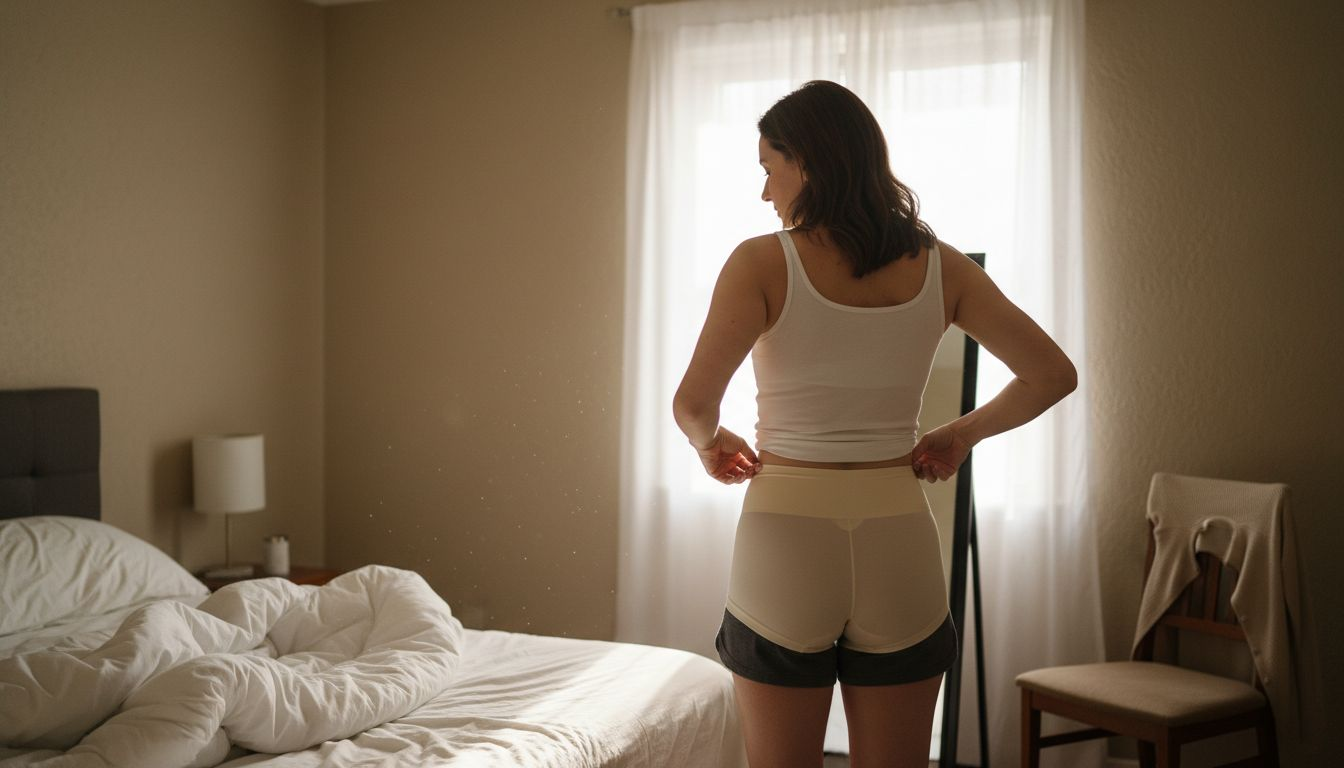
Pay attention to how the shapewear sits on your body. If you notice rolling at the edges or persistent pinching this is a clear sign the garment is not the right fit or size for your body.
Pro tip: Always do a seated and standing movement test when trying on shapewear to ensure complete comfort in all positions.
4. Test the Support Level for Your Needs
Shapewear isn’t a one-size-fits-all solution. Understanding and selecting the right support level is crucial for achieving your desired body contouring and comfort.
Comfort wear tests reveal that shapewear support ranges from light to firm compression. Your body shape, outfit, and personal comfort preferences determine the ideal level.
Support level categories to consider:
- Light control: Gentle smoothing for everyday wear
- Medium control: Moderate shaping for fitted clothing
- Firm control: Maximum compression for special occasions
- Extra firm control: Significant body contouring for structured outfits
The right support level transforms shapewear from a restrictive garment to a confidence-boosting tool.
Key factors in assessing support include how the garment moves with your body and maintains its shape. A perfect shapewear piece should feel like a second skin not a restrictive constraint.
During your fitting process move around sit down and walk to ensure the support level provides smooth lines without compromising your mobility or comfort.
Pro tip: Always try shapewear with the specific outfit you plan to wear to gauge its true performance and support level.
5. Ensure Seamless Edges for a Smooth Look
The difference between looking polished and appearing bumpy often comes down to one critical detail: seamless edges. Your shapewear should create an invisible foundation that enhances your outfit without drawing attention to itself.
Foundation garments have evolved to provide nearly invisible support. Seamless construction is the key to achieving a smooth silhouette that looks natural under any type of clothing.
What to look for in seamless shapewear:
- Laser-cut edges: Prevent visible lines and bulges
- Smooth elastic bands: Minimize skin indentation
- Tapered design: Creates a natural transition between garment and skin
- Invisible seams: Eliminates fabric ridge lines
A truly great shapewear piece becomes invisible the moment you put it on.
Seamless technology means more than just appearance. These advanced designs reduce skin irritation and provide a more comfortable wearing experience. The goal is to create a smooth canvas that makes your outfit look flawless.
Consider the fabric weight and transparency of your clothing when selecting seamless shapewear. Lighter fabrics require more precise and invisible undergarments to maintain a clean line.
Pro tip: When trying on shapewear hold it up to the light to check for potential visible seams or irregularities that might show through your clothing.
6. Move Around and Sit to Check Flexibility
Shapewear shouldn’t feel like a restrictive cage. The true test of great body-shaping garments is how they move with you through everyday activities.
Flexibility testing involves more than just standing still. Your shapewear must support and smooth without limiting your natural range of motion.
Key movements to test flexibility:
- Sitting: Check for bunching or uncomfortable pinching
- Walking: Ensure smooth movement without riding up
- Bending: Test support across hips and lower back
- Stretching: Verify garment moves with your body
Great shapewear feels like a second skin not a restrictive armor.
Comfort during movement is crucial. A well-designed piece should provide support while allowing you to walk sit drive and dance without constantly adjusting or feeling restricted.
Pay attention to how the shapewear responds when you change positions. Does it maintain its shape? Do the edges stay smooth? These are critical indicators of a high-quality garment.
Pro tip: Perform a complete range of motion test in the dressing room including sitting standing and a few gentle stretches to ensure absolute comfort and flexibility.
7. Review Care Instructions to Maintain Fit
Your shapewear is an investment in confidence and comfort. Proper care ensures your garment maintains its shape support and effectiveness for months to come.
Manufacturer care guidelines are crucial for preserving the integrity of your shapewear. Neglecting these instructions can lead to premature wear and loss of compression.
Key care considerations for shapewear:
- Hand washing: Preferred method to maintain fabric elasticity
- Cold water: Prevents damage to delicate elastic fibers
- Air drying: Avoids heat-related fabric breakdown
- Gentle detergents: Protects specialized fabric composition
Treating your shapewear with care is like maintaining a high-performance garment.
Fabric preservation techniques go beyond simple cleaning. Each wash can potentially impact the garment’s ability to provide smooth support. Rotate between multiple pieces to reduce wear and extend overall lifespan.
Pay attention to specific care symbols on the garment label. Some shapewear requires more delicate handling than standard undergarments.
Pro tip: Invest in a mesh laundry bag to protect your shapewear from snags and maintain its delicate construction during washing.
Below is a comprehensive table summarizing the main guidelines and considerations for selecting, using, and maintaining shapewear as discussed in the article.
| Topic | Details and Steps | Key Recommendations |
|---|---|---|
| Measuring for Sizing | Measure bust, waist, and hips using a soft tape. | Take measurements twice for better accuracy. |
| Outfit Coordination | Select shapewear suitable for specific outfits like dresses. | Match shapewear design to outfit requirements. |
| Assessing Comfort | Ensure no pinching, rolling, or restricting movement. | Choose garments made of breathable materials. |
| Determining Support Levels | Understand support categories from light to firm control. | Match support level to the occasion or use. |
| Seamless Design Importance | Look for laser-cut edges and smooth finishes. | Ensure shapewear remains invisible under clothes. |
| Testing Flexibility | Move, sit, and bend to evaluate wearability. | Perform motion tests during the fitting process. |
| Shapewear Maintenance | Follow manufacturer care instructions for longevity. | Hand wash and air dry for best results. |
Discover Your Perfect Shapewear Fit Today
Achieving a flawless silhouette starts with choosing shapewear that truly fits your body and lifestyle. Whether you are focusing on accurate sizing, selecting the ideal support level, or ensuring seamless edges for invisibility, the right shapewear can transform how you feel in any outfit. Saga Women understands the challenges of finding comfortable, effective shapewear and offers a carefully curated collection to match your unique needs.
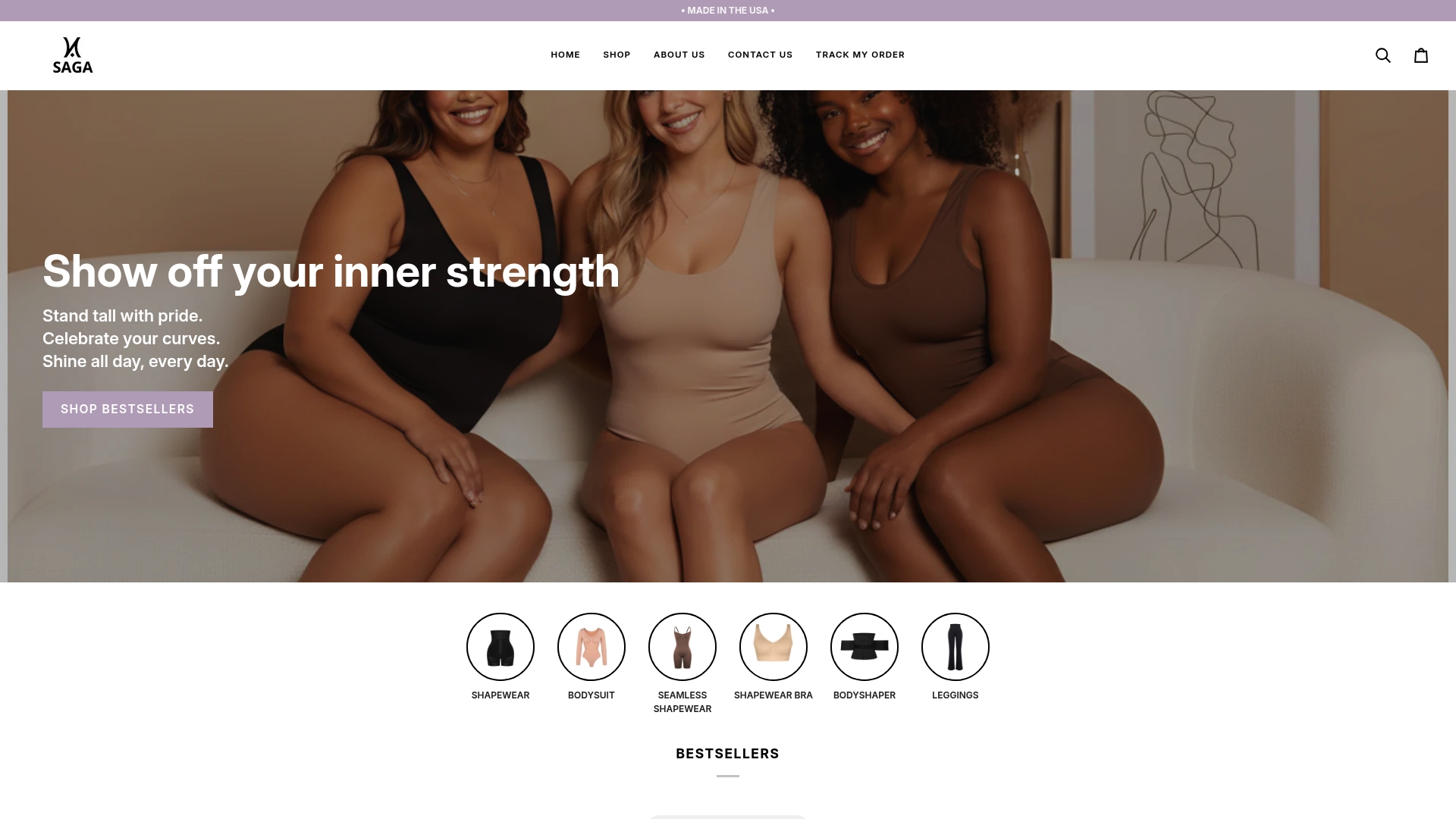
Explore our Shapewear Bodyshaper collection to find pieces designed for comfort without pinching or rolling, or choose from our advanced Seamless Shapewear for that perfect invisible finish under any garment. Start your journey to confidence and comfort now by visiting https://sagawomen.com and enjoy free US shipping plus a 30-day easy return policy. Your flawless silhouette awaits.
Frequently Asked Questions
How do I accurately measure my body for shapewear sizing?
To measure your body accurately, use a flexible measuring tape to capture your bust, waist, and hip dimensions. Be sure to stand relaxed with your feet shoulder-width apart and wear minimal clothing. Measure each area twice and take the average to ensure you choose the right size for your shapewear.
What type of shapewear should I choose for a specific outfit?
Choose shapewear based on the type of outfit you plan to wear, as different styles require different support and coverage. For instance, opt for a full-body piece for strapless dresses and medium control shapewear for form-fitting cocktail dresses. Test the shapewear with your actual outfit to confirm it creates a seamless silhouette.
How can I check if shapewear is comfortable during wear?
To assess comfort, wear the shapewear and look for any signs of pinching or rolling. Ensure that it does not leave visible marks on your skin and allows for free movement. Perform a seated and standing movement test to confirm that it feels good in all positions.
What support level should I select for my shapewear?
Select a support level that matches your needs: light control for everyday wear, medium control for fitted clothing, and firm control for special occasions. During your fitting, move around to ensure the shapewear provides the right amount of support without feeling restrictive or uncomfortable.
How do seamless edges in shapewear affect my look?
Seamless edges are vital for achieving a polished appearance, as they prevent visible lines under your clothing. Look for shapewear with laser-cut edges and smooth elastic bands for an invisible fit. Test the garment by holding it up to the light to ensure there are no seams that might show through.
What are the best practices to maintain my shapewear’s fit over time?
To maintain your shapewear, hand wash it in cold water and air dry to preserve its elasticity. Follow the care instructions on the garment label to avoid damage, and consider rotating between multiple pieces to extend their lifespan. Treat your shapewear with care to ensure it provides smooth support for as long as possible.
Recommended
- Top 7 Waist Cinchers Comparison – Expert Comparison 2025 – Saga Women
- 7 Key Benefits of Seamless Shapewear for Women’s Confidence – Saga Women
- 7 Key Benefits of Seamless Shapewear for Women’s Confidence – Saga Women
- 7 Key Benefits of Seamless Shapewear for Women’s Confidence – Saga Women
- 7 Face-Framing Extensions Ideas for Effortless Glamour
- What Do You Need for a Natural Makeup Look: Easy Steps – Pure Light Botanical Beauty
- 7 Essential Curly Hair Routine Products for Healthy Curls | MyHair

Hinterlasse einen Kommentar
Diese Website ist durch hCaptcha geschützt und es gelten die allgemeinen Geschäftsbedingungen und Datenschutzbestimmungen von hCaptcha.